




Where to Begin Your Journey into Mithgar
Dennis L. McKiernan’s primary literary achievement is the high fantasy world of Mithgar, spanning over a dozen novels. Because the novels cover thousands of years of lore and are largely self-contained epic adventures, readers frequently debate the best way to approach them. The two main entry pathways are the Publication Order (highly recommended for first-time readers) and the Author's Suggested Reading Order.
Pathway 1: Publication Order (Recommended Starting Point)
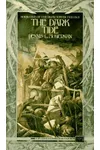
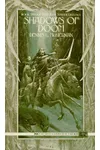
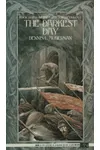
For most readers, starting with the books in the order they were written and published is the best experience. This path allows you to watch McKiernan’s world-building expand organically from its classic, Tolkien-inspired roots into a distinct and deeply textured mythological tapestry. Under this order, you start with the iconic Iron Tower Trilogy:
- The Dark Tide (1984)
- Shadows of Doom (1984)
- The Darkest Day (1984)
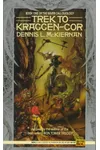
Following this trilogy, you proceed to the sequel duology, The Silver Call, which resolves key threads left behind by the initial conflict:
- Trek to Kraggen-Cor (1986)
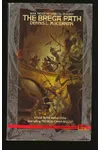
- The Brega Path (1986)
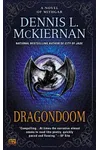
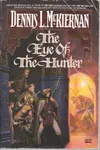
From there, you can continue through the standalone novels and subseries as they were published. Standalones like Dragondoom (1990) and The Eye of the Hunter (1992) add historical depth and context to the world, while the Hel’s Crucible duology offers a darker, larger-scale look at Mithgar’s ancient history.
Pathway 2: The Author’s Suggested Reading Order
If you prefer to follow the narrative flow as recommended by the author himself, Dennis L. McKiernan has outlined a specific path. This sequence is not strictly chronological, but rather groups stories together to introduce the world's lore in a thematic and satisfying progression:
- The Dragonstone (1996)
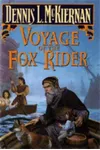
- Voyage of the Fox Rider (1993)
- Into the Forge (1997)
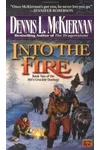
- Into the Fire (1998)
- Tales of Mithgar (1994)
- The Dark Tide (1984)
- Shadows of Doom (1984)
- The Darkest Day (1984)
- Trek to Kraggen-Cor (1986)
- The Brega Path (1986)
- The Eye of the Hunter (1992)
- Silver Wolf, Black Falcon (2000)
Chronological Order vs. Publication Order Caveats
Because McKiernan wrote Mithgar stories across different eras of his fantasy world's timeline, reading strictly in chronological order can sometimes feel jarring. For example, The Dragonstone (1996) takes place long before the events of The Iron Tower (1984), yet it benefits from a reader's familiarity with the magical concepts and races established in the earlier-written books. Reading chronologically may spoil some of the mystery of the older works, whereas publication order preserves the gradual unfolding of Mithgar's secrets.
Breaking Down the Mithgar Subseries & Universe Books
To help navigate the vast library of Mithgar, it is helpful to look at how the books are organized into distinct subseries and standalones:
The Iron Tower Trilogy
The foundational trilogy of Mithgar. It introduces the Warrows (petite, elf-like, and courageous figures similar to hobbits), the Elves, the Dwarves, and the human kingdoms as they unite to hold back the dark forces of the winter king Modru.
The Silver Call Duology
Set generationally after The Iron Tower, this duology centers on a Dwarven quest to reclaim their ancient underground kingdom of Kraggen-Cor. It directly follows characters and histories established in the trilogy.
Hel's Crucible Duology
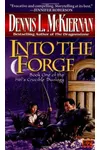
Comprising Into the Forge (1997) and Into the Fire (1998), this duology tells the story of the Great War of the Ban, a massive global conflict occurring thousands of years before the events of The Iron Tower. It introduces many of the legendary artifacts and geographical boundaries that shape the later books.
Mithgar Standalone Novels and Anthologies
These books can generally be read independently of the main series, though they add incredible flavor and lore:
- Dragondoom (1990): A fan-favorite standalone detailing the legendary war between Elves, Dwarves, and Dragons. It is often cited as one of McKiernan's best standalone fantasy works.
- Voyage of the Fox Rider (1993): A search-and-rescue quest involving mages, shape-shifters, and elves.
- The Dragonstone (1996): Focuses on the prophecy surrounding a powerful gemstone and the recovery of lost relics.
- Silver Wolf, Black Falcon (2000): A sweeping tale that brings together multiple threads of Mithgarian prophecy.
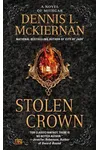
- City of Jade (2008) and Stolen Crown (2014): Later expansions exploring distant lands and ancestral secrets.
- Tales of Mithgar (1994) & Red Slippers (2004): Short story collections that flesh out minor characters, legends, and historical events.
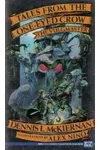
- Tales from the One-Eyed Crow (1991): A graphic novel offering visual tales of the universe.
The Once Upon (Faery) Series
Stepping away from Mithgar, McKiernan crafted a beautiful five-book high-fantasy series based on classic fairy tales. The stories are set in a separate world and reimagine traditional folklore with a continuous, interconnected narrative arc. They should be read in order of publication:
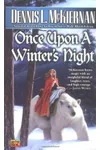
- Once Upon a Winter's Night (2001) – inspired by East of the Sun and West of the Moon
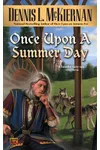
- Once Upon a Summer Day (2005) – inspired by Rapunzel
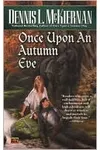
- Once Upon an Autumn Eve (2006) – inspired by French folklore and fairy tales
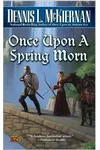
- Once Upon a Spring Morn (2006) – inspired by Sleeping Beauty
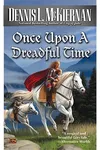
- Once Upon a Dreadful Time (2007) – a grand finale tying the fairy tales together
Other Sci-Fi and Standalone Works
McKiernan is also known for his science fiction, specifically The Black Foxes series. This duology blends virtual reality adventure gaming with high-stakes survival as a group of players are trapped inside a simulation by a rogue AI:
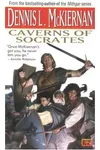
- Caverns of Socrates (1995) – also published digitally under the title Shadowtrap
- Shadowprey (2014) – the follow-up sequel
Additionally, McKiernan wrote standalone novels such as At the Edge of the Forest (2012) and Jezebel (2014), along with the speculative short story collection Strange Reflections (2013). He has also contributed to shared-world anthologies like the famous Thieves' World series and curated collections like After the King (1991).
What to Know Before You Start
McKiernan's early Mithgar books were heavily influenced by J.R.R. Tolkien. In fact, he originally wrote the material that became the Silver Call duology as a direct sequel to The Lord of the Rings. When publishers couldn't secure the rights, he was encouraged to develop his own setting, leading to the creation of Mithgar and the writing of The Iron Tower trilogy to serve as a prequel. While the early books feel comfortingly familiar to fans of Middle-earth, the series quickly evolves past those elements, developing its own unique lore, languages, and cultures in subsequent releases.