






























Where to Start with Dennis Lynds
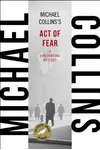
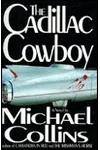
If you are new to Dennis Lynds, the best starting point is unquestionably the Dan Fortune series, which he wrote under his most famous pseudonym, Michael Collins. Start with the Edgar Award-winning debut, Act of Fear (1967). This novel introduces readers to the gritty streets of Chelsea, New York, and the iconic one-armed private investigator, Dan Fortune. It establishes the signature blend of hard-boiled suspense, psychological depth, and social commentary that Lynds became famous for.
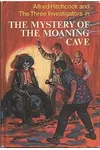
For younger readers, or those nostalgic for classic juvenile mysteries, another fantastic starting point is The Mystery of the Moaning Cave (1968), his first contribution to the beloved Alfred Hitchcock and The Three Investigators series, written under the name William Arden.
Publication Order vs. Chronological Order
For all of Dennis Lynds's major series, publication order is the recommended reading path. His characters age and evolve alongside the decades in which they were written. In the Dan Fortune series, for instance, Fortune relocates from New York's Chelsea to California as the decades progress, reflecting shifts in the American social landscape from the late 1960s to the early 2000s. Reading them out of order will disrupt this long-term character growth and environmental evolution.
The good news is that most of Lynds's novels are structured to stand alone. If you pick up a later book in any of his series, the main plot will resolve itself fully, but you will miss the deeper emotional and political arcs that build across the publication timeline.
Major Series and Reading Orders
The Dan Fortune Books (As Michael Collins)
This is Lynds's masterpiece series. Dan Fortune is a compassionate, one-armed private eye who cares more about the people caught in the machinery of society than simple black-and-white justice. Read them in this order:
- Act of Fear (1967)
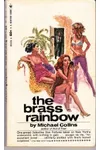
- The Brass Rainbow (1969)
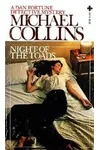
- Night of the Toads (1970)
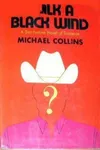
- Walk a Black Wind (1971)
- Shadow of a Tiger (1972)
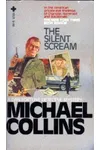
- The Silent Scream (1973)
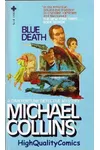
- Blue Death (1975)
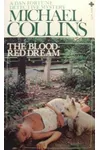
- The Blood-Red Dream (1976)
- The Night Runners (1978)
- The Slasher (1980)
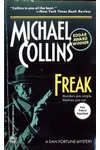
- Freak (1983)
- Minnesota Strip (1987)
- Red Rosa (1988)
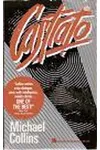
- Castrato (1989)
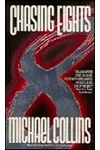
- Chasing Eights (1990)
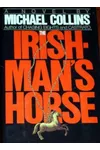
- The Irishman's Horse (1991)
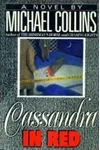
- Cassandra in Red (1992)
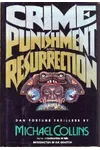
- Crime, Punishment, and Resurrection (1992)
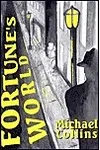
- Fortune's World (2001)
The Paul Shaw Books (As Mark Sadler)
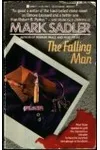
Under the name Mark Sadler, Lynds wrote about Paul Shaw, a polished, well-dressed New York private investigator who is a partner in a bicoastal firm and a Vietnam veteran with dreams of playwrighting. The reading order is:
- The Falling Man (1970)
- Here to Die (1971)
- Mirror Image (1972)
- Circle of Fire (1973)
- Touch of Death (1984)
- Deadly Innocents (1986)
The Kane Jackson Books (As William Arden)
Writing as William Arden, Lynds created Kane Jackson, a cynical former military policeman turned industrial security specialist. The series explores corporate espionage and metallurgy/pharmaceutical industry politics:
- A Dark Power (1968)
- Goliath Scheme (1970)
- Deal in Violence (1971)
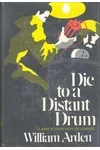
- Murder Underground / Die to a Distant Drum (1972)
- Deadly Legacy (1973)
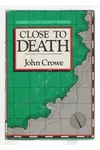
The Buena Costa County Books (As John Crowe)
Under the name John Crowe, Lynds created a fictional jurisdiction in Southern California called Buena Costa County. Uniquely, this series does not follow a single detective; instead, each book features a different protagonist investigating local crimes. They can be read as complete standalones:
- Another Way To Die (1972)
- Bloodwater (1974)
- Crooked Shadows (1975)
- When They Kill Your Wife (1977)
- Close to Death (1979)
The Three Investigators Books (As William Arden)
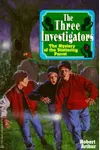
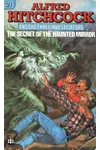
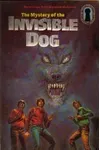
Dennis Lynds was one of the key contributors to this legendary juvenile mystery series. While the series has many authors, Lynds penned 14 of the original books plus one spin-off book under his William Arden pseudonym. The specific titles he wrote are:
- The Mystery of the Moaning Cave (1968)
- The Mystery of the Laughing Shadow (1969)
- The Secret of the Crooked Cat (1970)
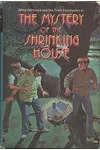
- The Mystery of the Shrinking House (1972)
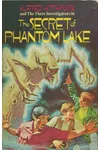
- The Secret of Phantom Lake (1973)
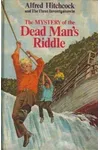
- The Mystery of the Dead Man's Riddle (1974)
- The Mystery of the Dancing Devil (1976)
- The Mystery of the Headless Horse (1977)
- The Mystery of the Deadly Double (1978)
- The Secret of Shark Reef (1979)
- The Mystery of the Purple Pirate (1982)
- The Mystery Of The Smashing Glass (1984)
- The Mystery of Wreckers' Rock (1986)
- Hot Wheels (1990 - Crimebusters spin-off)
House Pseudonyms and Collaborative Works
The Shadow (As Maxwell Grant)
In the mid-1960s, Belmont Books revived the legendary pulp hero The Shadow in a series of paperback novels. While Walter B. Gibson wrote the original 1930s pulps and the first Belmont book (Return of the Shadow), Dennis Lynds was hired to write the subsequent eight paperbacks under the house name Maxwell Grant. His contributions include:
- The Shadow Strikes (1964)
- Shadow Beware (1965)
- Cry Shadow! (1965)
- The Shadow's Revenge (1965)
- Mark Of The Shadow (1966)
- Shadow - Go Mad! (1966)
- The Night of the Shadow (1966)
- Destination: Moon (1967)
Mack Bolan / The Executioner (As Don Pendleton)
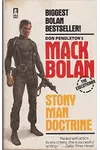
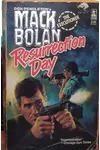
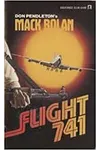
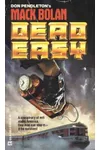
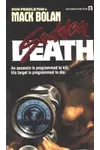
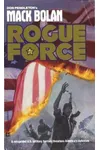
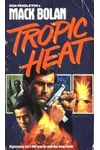
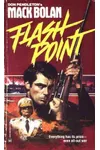
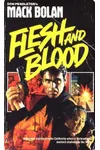
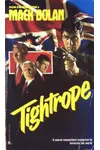
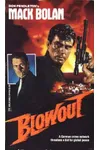
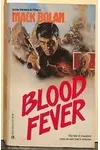
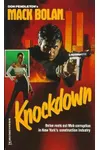
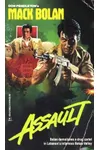
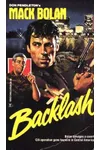
Dennis Lynds and his wife, espionage novelist Gayle Lynds, worked as ghostwriters for the massive Mack Bolan franchise under the house name Don Pendleton. They co-wrote several action-thrillers in the late 1980s and 1990s, including Moving Target (1989) and Blood Fever (1989). While the franchise boasts hundreds of volumes written by various authors, these specific entries showcase Lynds's talent for high-octane collaborative thriller writing.
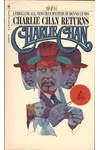
Charlie Chan Movie Tie-In
In 1974, Lynds wrote a novelization titled Charlie Chan Returns based on a screenplay by Ed Spielman and Howard Friedlander. It was published as a tie-in to the television film and is sometimes included as a companion piece to Earl Derr Biggers' original classic series.
What to Know Before You Start
Dennis Lynds was a veteran of World War II, a Bronze Star recipient, and a lifelong progressive. His politics and deep empathy for the marginalized heavily influenced his writing. Unlike traditional hard-boiled detectives who solve crimes through raw violence, his characters—especially Dan Fortune—rely on empathy and a deep understanding of human vulnerability. When reading Lynds, expect stories that focus as much on the societal failures driving the crime as the crime itself.