



How to Navigate Dennis Schmidt’s Speculative Worlds
American author Dennis Schmidt (1939–2003) carved a unique niche in the late 1970s and 1980s by weaving Zen mysticism, Eastern philosophy, and disciplined martial arts into traditional science fiction and fantasy. Across his ten novels, he built three distinct worlds, each exploring the limits of human (and non-human) willpower, discipline, and spirituality. Because these series do not overlap or share a common universe, you can dive into them in any order. However, within each series, reading the books in their strict publication order is essential to follow the chronological development of the characters and the overarching plot.
The Best Starting Point: The Kensho Series
If you want to experience Schmidt’s signature style at its peak, start with the Kensho series (often referred to as the Way-Farer series). This four-book space opera follows human colonists on the planet Kensho who face a terrifying, invisible adversary known as the Mushin. The Mushin are telepathic entities that feed on human negative emotions, amplifying anger, paranoia, and violence until communities tear themselves apart. To survive, the colonists must learn to master their internal states through a combination of meditation, Zen mindsets, and martial arts, moving and fighting with 'no-will' so the Mushin cannot track them. The story begins with the warrior Jerome, who becomes the legendary Way-Farer, and spans generations of his descendants as they fight to reclaim their world.
The Fantasy Path: Twilight of the Gods
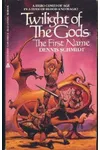
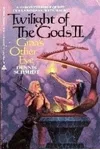
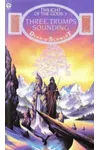
For readers who prefer mythic fantasy over space opera, the Twilight of the Gods trilogy is the place to start. Shifting focus away from space travel, Schmidt draws heavily from Norse mythology to tell the story of Voden Wanderer. Set against a backdrop of gods, destiny, and cosmic struggle, the series infuses Schmidt’s trademark philosophical introspection into an epic fantasy setting. The narrative builds sequentially across three volumes, detailing a world on the brink of apocalypse and the mortal heroes caught in the crossfire of the divine.
The Xenofiction Experiment: The Questioner Trilogy
Schmidt's final work, The Questioner Trilogy, is his most ambitious and unusual. It is a work of xenofiction, meaning it features an entirely alien cast of characters with no humans in sight. The story follows a protagonist named Seeker who undergoes brutal training in a lethal environment called the Labyrinth. After surviving, Seeker joins the Questioners—an elite, peacekeeping force tasked with defending the galaxy from cosmic threats. While it is science fiction, the trilogy returns to Schmidt's core themes of self-discipline, spiritual questioning, and existential inquiry, all viewed through a fascinatingly non-human lens.
Dennis Schmidt Books in Publication Order
Here is the complete bibliography of Dennis Schmidt, organized by series in the order they were published. Since each series is self-contained, this is also the recommended chronological reading order for each individual storyline.
The Kensho (Way-Farer) Series
- Way-farer (1978) – Introduces the planet Kensho, the invisible menace of the Mushin, and the warrior Jerome as he begins his journey to master the internal discipline required to survive.
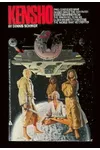
- Kensho (1979) – Expands on the colonization of the planet and the growing philosophical divisions among the survivors.
- Satori (1981) – Follows the descendants of the original colonists as they push further into the mysteries of the planet and their own consciousness.
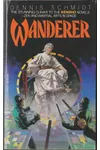
- Wanderer (1985) – The concluding chapter of the saga, bringing the generations-long struggle against the Mushin to a dramatic resolution.
The Twilight of the Gods Trilogy
- The First Name (1985) – Establishes the Norse-inspired fantasy setting and introduces Voden Wanderer as he takes his first steps toward a mythic destiny.
- Groa’s Other Eye (1986) – The stakes rise as the threat of a divine war looms and the protagonist searches for ancient wisdom to prevent catastrophe.
- Three Trumps Sounding (1988) – The climactic conclusion to the trilogy, resolving the fates of the gods and the mortal world.
The Questioner Trilogy
- Labyrinth (1989) – Introduces the alien training ground and Seeker's journey to prove himself worthy of joining the intergalactic peacekeepers.
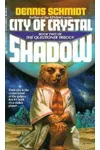
- City of Crystal Shadow (1990) – Explores the deep, complex societies of the alien species and the external threats facing their sectors.
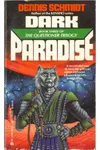
- Dark Paradise (1990) – The final book in the trilogy, wrapping up Seeker's missions and the philosophical questions at the heart of the peacekeeping force.
What to Know Before You Start
Unlike many space operas of the late 1970s and 1980s, which focused heavily on military technology and political empires, Dennis Schmidt’s novels are deeply spiritual. His characters rarely win through superior firepower; instead, victory is achieved through self-mastery, mental clarity, and spiritual enlightenment. Fans of martial arts philosophy, Aikido, and Zen Buddhism will find a lot to appreciate in the mechanical details of his combat scenes and character training arcs. Because these books are currently out of print, finding physical copies may require browsing vintage bookstores or online secondhand marketplaces, but they remain highly regarded hidden classics for fans of thoughtful speculative fiction.