
How to Read Diane Setterfield's Novels
British author Diane Setterfield is widely celebrated for her rich, slow-burning gothic mysteries and atmospheric historical fiction. Unlike authors who write long-running series, Setterfield has focused on crafting highly detailed, standalone books that are deeply rooted in 19th-century literary traditions. Because her novels are independent stories, you do not need to worry about strict continuity or plot-spoiling sequence rules. However, the order in which you experience her books can greatly shape your appreciation of her stylistic progression and thematic depth.
The Recommended Starting Path
For the best reading experience, we recommend following the publication order of her three major novels. This path allows you to see how her work evolves from a classic, academic-leaning gothic mystery into folklore-tinged magical realism.
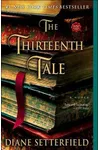
- The Thirteenth Tale (2006): Start here. This is Setterfield's debut masterpiece and remains her most iconic work. It introduces her signature style: a love of books, complex family secrets, and a haunting, Bronte-esque atmosphere. It is the perfect introduction to her storytelling.
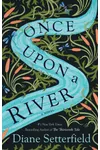
- Once Upon a River (2018): Read this second. Setterfield's third novel is a triumphant blend of folklore, historical fiction, and magical realism set along the River Thames. It is highly atmospheric and widely considered to be as polished and enchanting as her debut, making it a natural second step.
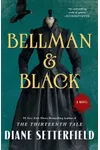
- Bellman & Black (2013): Save this for third. This novel is a darker, more somber, and slow-paced study of Victorian mourning rituals, obsession, and the consequences of childhood cruelty. It is a genre-defying ghost story that has polarized some readers but offers deep rewards for those who appreciate detailed historical settings.
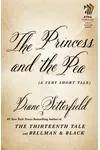
- The Princess and the Pea (2013): Finish with this digital-only short story. It is a brief, playful, yet atmospheric retelling of the classic fairy tale that shows a lighter, twisty side of Setterfield's writing.
Diane Setterfield's Books in Publication Order
If you prefer to read authors in the exact order they released their works, the sequence is straightforward. Over a span of nearly two decades, Setterfield has published three novels and one standalone short story:
- The Thirteenth Tale (2006) - Her debut gothic novel.
- The Princess and the Pea: A Very Short Tale (2013) - A standalone digital-first short story.
- Bellman & Black (2013) - Her second full-length novel.
- Once Upon a River (2018) - Her third full-length novel.
Detailed Book Guide and Reader Caveats
The Thirteenth Tale (2006)
Setterfield's debut novel tells the story of Margaret Lea, a quiet biographer and bookshop assistant who is summoned to the estate of Vida Winter, Britain's most famous and elusive novelist. Vida is dying and wishes to finally tell the true story of her life—a narrative filled with dark family secrets, a ruined estate (Angelfield), twins, madness, and a devastating fire. As Margaret listens and investigates, she finds parallels to her own painful past.
Reader Guidance: This book is a love letter to 19th-century literature. Readers who love Jane Eyre, Wuthering Heights, and the works of Wilkie Collins will find themselves right at home. It features a brilliant story-within-a-story structure and keeps readers guessing until the very end. The book was adapted into a well-received BBC television film in 2013 starring Vanessa Redgrave and Olivia Colman.
Bellman & Black (2013)
Setterfield's second novel is a gothic ghost story of a different kind. It follows William Bellman, who, as a young boy, kills a rook with a catapult. Although he forgets this random act of cruelty, his adult life becomes haunted by tragedy as his loved ones die one by one. In his desperation, he enters into a strange business transaction with a mysterious, dark-clad man named Mr. Black, leading to the creation of a massive, prosperous emporium dedicated to Victorian mourning wear.
Reader Guidance: Unlike her other books, this novel focuses heavily on historical detail regarding Victorian mourning customs, retail business, and the biology of rooks. It is a slow, melancholy character study of a man consumed by grief and work. It does not follow a traditional mystery structure, which led to mixed reviews upon release, but remains a fascinating exploration of guilt and mortality.
Once Upon a River (2018)
Set along the banks of the River Thames in the late 19th century, this novel begins at the Swan Inn in Radcot, a place famous for storytelling. On a dark midwinter night, a severely injured stranger bursts through the door carrying the corpse of a young girl. Hours later, the dead child miraculously begins to breathe again. As time passes, three different families step forward to claim her: a grieving mother whose daughter was kidnapped, a wealthy couple whose daughter ran off, and a humble parson's son. The mystery of who the girl is and how she survived unfolds against a backdrop of science, folklore, and myth.
Reader Guidance: This novel is a masterpiece of ensemble storytelling. It weaves together the lives of various river communities, blending the scientific curiosity of the late Victorian era with the timeless local folklore of the Thames. It has a magical, fable-like quality that flows beautifully from start to finish.
The Princess and the Pea: A Very Short Tale (2013)
This is a brief, imaginative retelling of the Hans Christian Andersen classic. Written with Setterfield's characteristic charm and a slight twist, it introduces a scruffy, ginger-haired girl named Princess Tuppence, who is the only candidate to successfully feel the single pea hidden beneath a mountain of mattresses.
Reader Guidance: Released as an e-book short story, it is only about 16 pages long. It is a lighthearted piece of fiction that is not essential to understanding her main novels, but makes for a delightful quick read for dedicated fans.
What to Know Before You Start
Before diving into Diane Setterfield's bibliography, it helps to understand her unique approach to writing. Because she values quality over quantity, her books are highly researched, atmospheric, and slow-paced. Here are a few things to keep in mind:
- Standalones Only: There are no sequels, spin-offs, or shared universes among her novels. You can read them in any order without losing plot threads.
- Gothic Tone and Style: Expect elements of magical realism, folklore, and classic gothic themes. If you prefer fast-paced modern thrillers, Setterfield's detailed prose and historical descriptions may feel slow, but they are incredibly rewarding for readers who enjoy deep immersion.
- Recurring Motifs: If you read her novels back-to-back, you will notice recurring motifs, particularly the concept of twins, the profound weight of grief, and the central role that storytelling plays in human survival.