
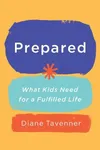
Where to Start with Diane Tavenner
For readers looking to dive into Diane Tavenner’s groundbreaking ideas on personalized education, your journey begins with her core written work: Prepared: What Kids Need for a Fulfilled Life (2019). Because Tavenner’s primary publication is a single, comprehensive guide, navigating her work is less about juggling a long series of sequels and more about understanding how to read and apply the core text alongside her digital tools, parent initiatives, and podcast companions.
The recommended reading and engagement order is designed to help parents, educators, and mentors transition smoothly from theoretical concepts to practical, real-world applications in the home or classroom.
1. Core Reading: Prepared: What Kids Need for a Fulfilled Life (2019)
This is the essential starting point. Part memoir, part educational blueprint, the book shares Tavenner's personal path from struggling public school classrooms to co-founding Summit Public Schools. Rather than focusing on rote testing, the book outlines how to foster self-direction, collaboration, and long-term fulfillment. It serves as the philosophical anchor for all of her subsequent projects.
2. The Audio Companion: Class Disrupted Podcast
After reading the book, the best follow-up is the Class Disrupted podcast, co-hosted by Diane Tavenner and education expert Michael Horn. Across multiple seasons, Tavenner and Horn take the principles established in Prepared and apply them to ongoing, real-time challenges in the modern educational landscape. They dissect everything from the integration of Artificial Intelligence in schools to moving away from traditional grading system models.
3. The Implementation Phase: Prepared Parents & My Point B
Once you understand the concepts in the book and the podcast, you can move to Tavenner's interactive online resources. The Prepared Parents initiative acts as a digital companion hub, providing actionable resource packs, quick guides, and exercises to build resilience and self-direction at home. For older youth transitioning out of high school, her initiative My Point B offers digital mentoring tools to help young adults find purposeful careers.
Understanding the Core Philosophies in Prepared
To get the most out of your reading, it helps to understand that Tavenner structures her educational philosophy around three fundamental pillars. Recognizing these beforehand will help you navigate the book's diagnostic checklists and parent advice chapters:
- Project-Based Learning: Tavenner argues that children learn best by doing. Rather than passive listening, students should tackle interdisciplinary projects that build real-world skills like critical thinking, public speaking, and collaboration.
- Self-Direction: A core goal of Tavenner’s model is teaching kids how to set goals, build plans to achieve them, evaluate their progress, and reflect on their failures. The book provides step-by-step guidance on how parents can gradually release control to allow kids to develop this autonomy.
- 1-on-1 Mentorship: The book details how structured mentorship helps kids understand their own values and align them with their academic and personal goals. Tavenner details how parents can act as mentors rather than managers.
Publication Order and Practical Reading Advice
Since Tavenner’s work is concentrated in one primary volume, readers often wonder if they need to read it cover-to-cover or if they can skip around. The safest and most practical approach is a hybrid reading strategy:
The Narrative Track
If you prefer to understand the 'why' before the 'how,' read the chapters chronologically. Tavenner details the early struggles at Hawthorne High School in California and the collaborative effort with local Redwood City parents to found Summit Prep in 2003. This context helps explain why the traditional educational mold needed to be broken.
The Actionable Track
If you are a parent or educator facing immediate behavioral or learning challenges, you can jump directly to the middle and latter sections of the book. These chapters function as stand-alone guidebooks. They offer clear strategies on how to encourage kids to self-direct their homework, how to handle college preparation without inducing burnout, and how to teach children how to build supportive peer relationships.
How Her Work Connects to the Summit Learning Model
A common point of confusion for readers is how Tavenner's book connects to the Summit Learning platform and school curriculum. Prepared acts as the user manual for the philosophy behind the platform. While the digital platform (managed by Gradient Learning) is a software tool used in schools to organize assignments and track personalized learning plans, the book explains the human relationships, mentoring styles, and grading philosophies that make that software work. Reading the book is highly recommended for any parent whose child is enrolled in a school using the Summit Learning or Gradient Learning model.