

Where to Start with Dinah Miller
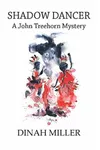
For readers diving into the suspenseful world of Dinah Miller, the best entry point is undoubtedly her debut novel, Shadow Dancer (2018). This book lays the essential foundation for the entire John Treehorn Mystery series, introducing Treehorn’s unique personal background, his dual cultural identity, and the complex reservation politics that define the series. Starting here allows you to fully appreciate the developing partnership between FBI Agent John Treehorn and his partner, Benjamin "Shady" Latimer.
While some mystery series feature completely standalone cases, Miller's books weave a continuous character arc. The interpersonal relationships, personal traumas, and career trajectories of the recurring characters progress from book to book. Reading them out of order won't ruin the individual mystery plots, but it will spoil major character developments and subplots. Therefore, we highly recommend following the publication order to get the most out of your reading experience.
Publication Order of the John Treehorn Mystery Series
The series progresses chronologically in the order of publication. Below is the recommended sequence of the John Treehorn books, including the full-length novels and the specialized "Short Reads":
- Shadow Dancer (2018) – The first full-length novel in the series. FBI Special Agent John Treehorn is sent to the Navajo Nation to investigate a cold case, forcing him to confront both a mythical killer and his own complicated childhood.
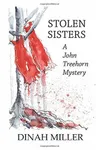
- Stolen Sisters (2018) – Treehorn investigates the heartbreaking and timely crisis of Missing and Murdered Indigenous Women (MMIW), blending fast-paced crime solving with heavy social issues.
- Bad Penny (2018) – The first "Short Read" novella. This quick mystery follows Treehorn solving a local dispute and helps fund reservation charity programs.
- Indian Posse (2019) – Treehorn is forced to navigate dangerous reservation gang dynamics as tensions rise on the Navajo Nation.
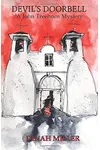
- Devil's Doorbell (2020) – A gripping novel that plunges Treehorn and Shady Latimer into a dark web of local conspiracies and murder.
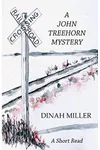
- Railroad Crossing (2020) – A "Short Read" that focuses on the murder of a reservation psychiatrist who treated veterans suffering from PTSD.
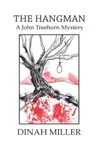
- The Hangman (2021) – A high-stakes novel where a serial killer uses historical execution methods, challenging Treehorn to look into the past.
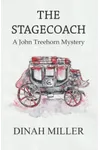
- The Stagecoach (2021) – Treehorn looks into a heist with deep historical roots that threatens to spark modern violence.
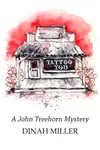
- Tattoo You (2021) – A fast-paced "Short Read" where a mysterious tattoo holds the key to identifying a John Doe.
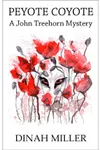
- Peyote Coyote (2022) – A hallucinogenic journey into reservation drug rings and spiritual warfare.
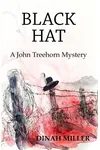
- Black Hat (2023) – A tech-focused thriller where cybercrime meets traditional reservation isolation.
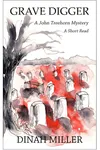
- Grave Digger (2023) – A "Short Read" dealing with the desecration of historical sites and ancestral remains.
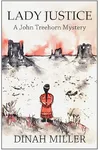
- Lady Justice (2024) – A complex legal thriller that tests Treehorn's belief in the federal justice system versus reservation sovereignty.
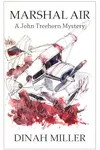
- Marshal Air (2024) – An action-packed mystery involving high-altitude transport and a fugitive escape.
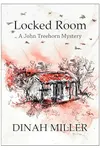
- Locked Room (2024) – A classic locked-room mystery style short read that raises funds for rural libraries.
Chronological Order and Novella Placement
Unlike some crime franchises where short stories take place in remote prequels, Dinah Miller’s short reads are designed to be read exactly when they were published. They fit cleanly between the novels, showing what Treehorn and Latimer are up to between major FBI investigations. Because they are short and focus on quick, self-contained cases, you can technically skip them without losing track of the main plot, but doing so means missing out on the series' rich atmospheric detail and charity-focused side missions.
The only standalone work that exists completely outside the John Treehorn series is The Chameleon of Camerone (2020). Originally conceived as a screenplay, this thriller novella features a different cast of characters and can be read at any point in your reading journey without spoiling the Treehorn timeline.
The Philanthropic "Short Reads"
A unique aspect of Dinah Miller's career is her dedication to using her platform for charitable causes. Several of the short stories and novellas in the John Treehorn universe are released as special charity projects. Miller donates 100% of the royalties from these titles to organizations that align with the themes of the books:
- Bad Penny royalties go toward fighting poverty and food insecurity on the Navajo Nation.
- Railroad Crossing proceeds support charities dedicated to combatting veteran suicide and helping post-traumatic stress disorder (PTSD) treatment programs.
- Locked Room royalties are donated to small-town libraries to help them afford the high costs of licensing eBooks for their patrons.
By purchasing and reading these shorter stories in their proper order, you are not only getting extra time with Agent Treehorn but also contributing directly to the causes that inspire the series.
What to Know Before You Start
Dinah Miller's writing is heavily influenced by her upbringing in the Adirondacks of New York and her professional background as a rehabilitation social worker. Having spent years working in substance abuse treatment, psychiatric care, suicide prevention, and legal advocacy, she brings a level of emotional realism and procedural sensitivity to her mysteries that is rare in the genre. Her depiction of mental illness and trauma is handled with deep empathy, rather than using these issues as cheap plot devices.
John Treehorn is a half-Navajo, half-white FBI agent who is constantly caught between the demands of the federal government and the cultural traditions of the Navajo people. His partner, Benjamin "Shady" Latimer, acts as a perfect foil and a steadfast ally. Together, they navigate cases that highlight systemic racism, reservation gang issues, historical neglect, and the Missing and Murdered Indigenous Women crisis. Readers should be prepared for mature themes, realistic descriptions of crime scenes, and intense social commentary.