
The Recommended Dominick Dunne Reading Path
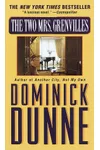
For readers stepping into the glamorous and dangerous world of Dominick Dunne for the first time, the best place to start is with his 1985 masterpiece, The Two Mrs. Grenvilles. This novel represents the peak of Dunne's signature style: the roman à clef, a fictional narrative thinly masking real-life high-society scandals. Starting here gives you an immediate taste of his sharp societal observations, his empathy for victims, and his disdain for the way extreme wealth can shield the guilty. Once you have tasted the high-society intrigue of the Grenvilles, you can branch out into his connected Gus Bailey trilogy or explore his other standalones based on notorious real-life crimes.
The Gus Bailey Series: Dominick Dunne's Alter Ego
While most of Dominick Dunne’s fiction can be read independently, he did write three novels linked by the recurring character of Gus Bailey. Gus is a high-society journalist and writer who serves as a clear alter ego for Dunne himself, sharing his Hollywood background, personal tragedies, and role as an observer of the ultra-wealthy. To fully appreciate Gus's character arc and the changing landscape of American wealth, these books should be read in publication order:
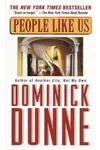
- People Like Us (1988): This novel introduces Gus Bailey as he navigates the cutthroat social hierarchy of Manhattan during the Wall Street boom of the 1980s. The plot centers on the clash between old-money establishment and the aggressive new-money social climbers trying to buy their way into elite circles.
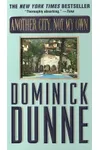
- Another City, Not My Own (1997): Described as "a novel in the form of a memoir," this book shifts the scene to Los Angeles. Gus Bailey arrives to cover the O.J. Simpson murder trial, mirroring Dunne's real-life career-defining reporting for Vanity Fair. The book blends actual trial events and public figures with Dunne’s fictionalized inner circle.
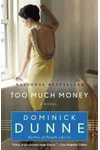
- Too Much Money (2009): Published posthumously, this final novel serves as a sequel to People Like Us and a send-off for Gus Bailey. Returning to New York, Gus is now an aging writer facing his own mortality, old rivalries, and a looming lawsuit from a powerful billionaire widow—a plot point heavily inspired by Dunne's real-life legal battle with Lily Safra.
Standalone Novels and Their Real-Life Inspirations
Dunne’s standalone novels are famous for dissecting specific real-world scandals, turning real-life news clippings into gripping fiction. Knowing the real history behind these novels adds an extra layer of enjoyment for true-crime enthusiasts:
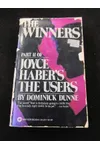
- The Winners (1982): Dunne's debut novel is set in the movie business. Drawing directly from his years as a Hollywood film producer, it exposes the ambition, betrayal, and dark underbelly of the entertainment industry before he transitioned to crime writing.
- The Two Mrs. Grenvilles (1985): This sensational novel is a fictionalized retelling of the 1955 shooting of wealthy heir William Woodward Jr. by his wife, Ann Woodward. The book explores the class divide between a showgirl-turned-socialite and her husband's old-money family, focusing on the cover-up that followed the shooting.
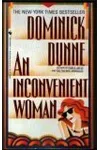
- An Inconvenient Woman (1990): Set in Los Angeles, this story is based on the real-life affair between department store heir Alfred Bloomingdale and his mistress Vicki Morgan. The novel details how the mistress becomes "inconvenient" to the city's powerful elite, leading to a tragic spiral of murder and social ruin.
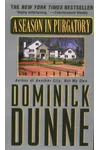
- A Season in Purgatory (1993): This book is a fictionalized account of the 1975 murder of 15-year-old Martha Moxley in Greenwich, Connecticut. Dunne explores the decades-long cover-up by a wealthy, politically connected Irish-Catholic family (closely mirroring the real-life Skakel and Kennedy family connections to the case).
Non-Fiction and Essay Collections
Dunne was as celebrated for his investigative journalism as he was for his fiction. His non-fiction works provide the perfect companion reading, offering a raw look at the trials that inspired his novels:
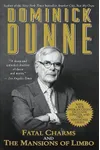
- Fatal Charms and Other Tales of Today (1987): Dunne’s first anthology, compiling his sharpest early essays and profiles from Vanity Fair detailing the lives and scandals of the rich and famous.
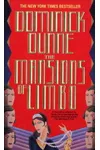
- Mansions of Limbo (1991): A second collection of fifteen Vanity Fair profiles, focusing on the eccentricities, successes, and downfalls of international elite figures, including Queen Noor of Jordan and Robert Mapplethorpe.
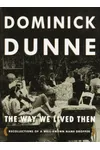
- The Way We Lived Then: The Recollections of a Well-Known Name Dropper (1999): A highly personal memoir reflecting on his glitzy Hollywood years during the 1950s and 60s, packed with letters, anecdotes, and photographs of icons like Elizabeth Taylor and Frank Sinatra.
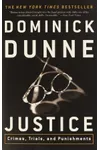
- Justice: Crimes, Trials, and Punishments (2001): A must-read compilation of Dunne's trial reportage. It features his real-life coverage of high-profile cases, including the O.J. Simpson trial, the Menendez brothers' trials, the Claus von Bülow affair, and the emotional trial of the man who murdered his own daughter, Dominique Dunne.
Practical Reader Advice and Adaptations
Except for the Gus Bailey trilogy, you can read Dominick Dunne’s novels in any order you choose. However, reading them alongside his non-fiction collections—especially Justice—reveals how masterfully he translated real-world courtroom drama into compelling fiction. Several of his books have also been adapted into acclaimed television miniseries, which make excellent companion viewing. The 1987 adaptation of The Two Mrs. Grenvilles (featuring Claudette Colbert in her final TV role), the 1991 adaptation of An Inconvenient Woman (starring Jason Robards), and the 1996 adaptation of A Season in Purgatory (starring Patrick Dempsey) all capture the glittering, suspenseful atmosphere of Dunne's literary world.