











Where to Start with Don Coldsmith
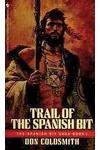
For anyone looking to experience the American frontier through a revolutionary lens, the best place to start is with the first book of the Spanish Bit Saga: Trail of the Spanish Bit (1980). This novel introduces Juan Garcia, a 16th-century Spanish conquistador who becomes separated from his exploration party, is taken in by a Plains Native American tribe (known simply as "the People"), and introduces them to the horse—which they call the "Elk-Dog." It is the perfect entry point, establishing the series' themes of cultural synthesis, historical change, and the deep humanity of the High Plains tribes.
While Coldsmith wrote several standalone novels and other projects, the Spanish Bit Saga is his crowning achievement. Reading the saga in its publication order is highly recommended. Because the story spans multiple generations, reading them as written allows you to witness the gradual, organic shift in the tribe's culture as they evolve from a pedestrian hunting culture into a powerful horse-mounted nation.
The Spanish Bit Saga: Publication Order & Chronology Caveats
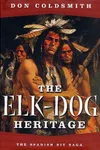
Although the internal chronology of the series generally moves forward, there are key nuances and publishing discrepancies that readers should know. Most notably, the book The Elk-Dog Heritage is chronologically the direct sequel to the first book, picking up right after the events of Trail of the Spanish Bit. However, due to reissues, reprint schedules, and publisher numbering differences across editions, some databases and local lists (including ours) list it as Book 9 or assign it different publishing years (such as 1987 instead of its initial 1981/1982 release). Starting with Book 1 followed by The Elk-Dog Heritage remains the most logical way to start, after which you can comfortably follow the publication sequence.
The Core Spanish Bit Saga List
- Trail of the Spanish Bit (1980)
- Buffalo Medicine (1981)
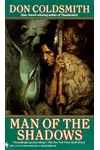
- Man of the Shadows (1983)
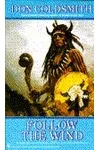
- Follow the Wind (1983)
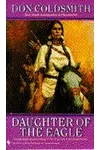
- Daughter of the Eagle (1984)
- Moon of Thunder (1985)
- River of Swans (1986)
- Pale Star (1986)
- The Elk-Dog Heritage (1987)
- The Medicine Knife (1988)
- The Flower in the Mountains (1988)
- The Sacred Hills (1988)
- Trail from Taos (1989)
- Return to the River (1989)
- Song of the Rock (1989)
- Quest for the White Bull (1990)
- The Changing Wind (1990)
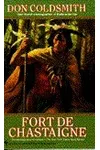
- Fort de Chastaigne (1990)
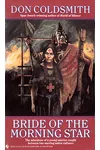
- Bride of the Morning Star (1991)
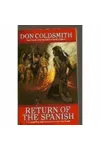
- Return of the Spanish (1991)
- The Traveler (1991)
- Walks in the Sun (1992)
- Thunderstick (1993)
- Track of the Bear (1994)
- Child of the Dead (1995)
- Bearer of the Pipe (1995)
- Medicine Hat (1997)
- The Lost Band (2000)
- Raven Mocker (2001)
- The Pipestone Quest (2004)
- Moon of Madness (2013)
Don Coldsmith's Standalone Novels
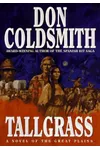
Outside of his multi-generational saga, Coldsmith wrote several standalone historical novels. The most famous of these is Tallgrass (1997), an epic sweep of Kansas history that traces the Flint Hills from the pre-contact Native era all the way to modern ranching. These standalones can be read at any time and in any order, showcasing Coldsmith's skill at portraying the collision of cultures and the history of the Great Plains.
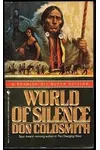
- World of Silence (1992)
- Runestone (1995)
- Tallgrass (1997)
- Kenzas (1997)
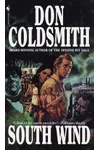
- South Wind (1998)
- The Long Journey Home (2001)
Collaborations and Multi-Author Series: Rivers West
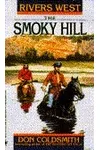
Readers exploring Coldsmith’s bibliography will often encounter the Rivers West series. It is critical to note that Rivers West is a multi-author historical collection where different authors wrote separate books focusing on North America's legendary rivers. Don Coldsmith contributed only one novel to this series: The Smoky Hill (1989), which is the second book in the collection. The other 17 books listed in the series are written by other prominent Western authors (such as Winfred Blevins, Gary McCarthy, and Richard S. Wheeler) and do not feature Coldsmith's writing.
The "Horsin' Around" Humor Collections
Before achieving worldwide success as a Western novelist, Don Coldsmith was a practicing physician and active Appaloosa horse breeder in Emporia, Kansas. During this time, he wrote a beloved weekly newspaper column titled Horsin' Around. These columns, full of gentle humor, ranching anecdotes, and local wisdom, were eventually compiled into three non-fiction collections. They offer a warm, human look at the author behind the stories.
- Horsin' Around (1975)
- Horsin' Around Again (1975)
- Still Horsin' Around (2002)
Anthologies Featuring Don Coldsmith
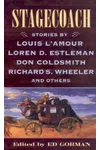
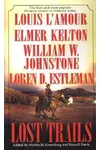
Coldsmith also contributed short fiction to various Western collections and anthologies. These are great for readers who want quick snapshots of his writing style.
- Stagecoach (2003)
- Lost Trails (2007)
What to Know Before You Start
What sets Don Coldsmith apart from conventional Western writers is his commitment to historical authenticity and his unique perspective. Rather than focusing on cowboy-and-Indian conflicts, Coldsmith researched the daily lives, spiritual traditions, and linguistic nuances of Plains tribes before and during early contact with European explorers. His prose is deceptively simple and carries a quiet dignity, often utilizing translated idioms (such as "I am made to think") to convey the flow of Native languages. His background as a physician also shines through in his accurate depictions of frontier medicine and the devastating impact of European diseases on indigenous populations.