





Where to Start Reading Donald L. Miller
Donald L. Miller is a master of narrative non-fiction, writing history with the pace and character development of a novel. Because his books are standalone historical works rather than chronological fiction, you do not need to follow a strict series order. However, depending on your interests, there are two ideal entry points:
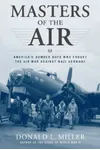
- For Military History Fans: Start with Masters of the Air: America’s Bomber Boys Who Fought the Air War Against Nazi Germany (2006). This is Miller’s most famous work, capturing the harrowing experiences of the U.S. Eighth Air Force. It serves as the primary inspiration for the high-profile Apple TV+ miniseries produced by Steven Spielberg and Tom Hanks.
- For Urban and Cultural History Fans: Start with City of the Century: The Epic of Chicago and the Making of America (1996). This book chronicles the rapid, chaotic rise of Chicago from a swampy frontier outpost to a towering global metropolis, serving as an excellent introduction to Miller’s ability to weave social, economic, and human stories together.
Donald L. Miller Books by Theme
To help you navigate his bibliography, Miller’s works can be grouped into distinct thematic categories. Reading them within these groups allows you to see how his research and storytelling style evolved over time.
1. The World War II Chronicle
Miller’s World War II books cover different theaters of the conflict, focusing heavily on the personal testimonies of the soldiers, airmen, and civilians involved.
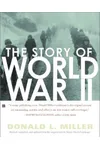
- The Story of World War II (1991, revised in 2001): Originally an update to Henry Steele Commager’s classic text, Miller rewrote and expanded the narrative, adding fresh eyewitness accounts, letters, and memoirs to create a theater-wide view of the war.
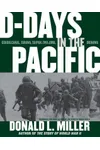
- D-Days in the Pacific (2005): A detailed look at the brutal island-hopping campaigns and amphibious landings that defined the war against Imperial Japan.
- Masters of the Air (2006): The definitive account of the strategic bombing campaign over Europe, detailing the psychological and physical toll on the young men of the Eighth Air Force. (Note: Some UK editions and reprints are titled simply Eighth Air Force: The American Bomber Crews in Britain).
2. American Cities and Industrial History
These books explore the rapid transformations, technological breakthroughs, and colorful personalities that shaped modern American metropolitan life.
- The Kingdom of Coal: Work, Enterprise, and Ethnic Communities in the Mine Fields (1985): Co-authored with Richard E. Sharpless, this book offers a deep dive into the rise and fall of the anthracite coal industry in Pennsylvania, showcasing the lives of the immigrant miners who fueled America's industrial revolution.
- City of the Century: The Epic of Chicago and the Making of America (1996): A dramatic chronicle of Chicago’s explosive growth, culminating in the 1893 World's Columbian Exposition.
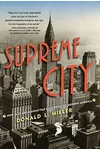
- Supreme City: How Jazz Age Manhattan Gave Birth to Modern America (2014): This book moves the focus to 1920s New York, tracing how Midtown Manhattan became the cultural and commercial capital of the world.
3. Biographies and Political History
Before focusing on military and urban histories, Miller wrote detailed biographical and academic studies exploring intellectual history and radical politics.
- The New American Radicalism: Alfred M. Bingham and Non-Marxian Insurgency in the New Deal Era (1979): Miller’s first book, which examines the political activism of Alfred M. Bingham during the Great Depression.
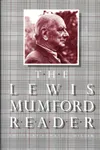
- The Lewis Mumford Reader (1986): A collection of major essays by the renowned urban planner and critic, edited and curated by Miller.
- Lewis Mumford: A Life (1989): An authorized and highly acclaimed biography of Mumford, written with exclusive access to his personal papers.
4. Civil War Studies
- Vicksburg: Grant's Campaign That Broke the Confederacy (2019): Miller’s detailed look at the Vicksburg Campaign, highlighting the strategic military genius of Ulysses S. Grant and the critical role of enslaved people in securing Union victory.
Chronological Order of Subjects
If you prefer to read history in the order the events actually occurred, you can follow this chronological timeline of the eras covered by Miller’s books:
- Vicksburg (Covers the Civil War era, specifically 1862–1863)
- The Kingdom of Coal (Covers the late 19th and early 20th-century coal boom in Pennsylvania)
- City of the Century (Covers the 19th-century rise of Chicago, up to the 1893 World's Fair)
- Supreme City (Covers the 1920s Jazz Age in New York City)
- The New American Radicalism (Covers the political movements of the 1930s Great Depression)
- The Story of World War II, D-Days in the Pacific, and Masters of the Air (Cover the 1940s global conflict)
- Lewis Mumford: A Life (Covers Mumford’s life spanning from 1895 to 1990)
What to Know Before You Start
Donald L. Miller is a professional historian, but his style is highly accessible and focused on the "human element" of history rather than dry dates and military maneuvers. When reading his WWII books, keep in mind that he draws heavily from letters, diaries, and oral history interviews. This means you will get a very personal, often gritty view of combat. Additionally, when looking for his works, make sure not to confuse him with Donald Miller, the author of Christian and business books (such as Blue Like Jazz or Building a StoryBrand), who is a completely different writer.