



The Recommended Reading Order for the Bandy Papers
When it comes to Donald Jack's famous comedic saga, The Bandy Papers, the recommended reading path is straightforward: read the books in order of their publication. Because the publication order aligns perfectly with the chronological progression of Bartholomew Wolfe Bandy’s life, you can read the series from start to finish without skipping around or worrying about confusing prequel jumps.
The series begins during the height of the First World War in 1916 and follows the bumbling, horse-faced Canadian ace pilot through dogfights, promotions, post-war escapades, and ultimately his encounters with historical figures during World War II. Starting from the beginning is highly recommended as the jokes, character relationships, and Bandy's rising status build heavily on previous entries.
The Bandy Papers in Reading Order
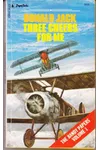
1. Three Cheers for Me (1962 / Revised 1973)
This is where the adventure begins. We are introduced to Bartholomew Wolfe Bandy, an awkward, pious, and surprisingly lethal fighter pilot from Beamington, Ontario. The original 1962 edition won the Stephen Leacock Memorial Medal for Humour in 1963. In 1973, Donald Jack extensively revised and expanded this book to lay a broader foundation for the sequels he planned to write. Both versions tell the story of Bandy's initial plunge into WWI trench warfare and air combat, but the 1973 version is the standard entry point for the series.
2. That's Me in the Middle (1973)
Bandy's rise through the military ranks continues in this second installment, which earned Donald Jack his second Stephen Leacock Medal in 1974. Bandy finds himself promoted to lieutenant-colonel, rubbing shoulders with high society and command staff, and inadvertently causing comedic catastrophe wherever he flies or walks.
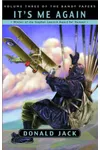
3. It's Me Again (1975)
This volume captures Bandy's further wartime misadventures. Readers should note that in some publishing printings, this lengthy book was split into two parts, with the second half sold under the title Me Among the Ruins. Modern consolidated editions merge them back together under the title It's Me Again.
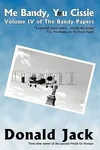
4. Me Bandy, You Cissie (1979)
Donald Jack won his third and final Stephen Leacock Medal in 1980 for this installment. It follows Bandy as he navigates the immediate post-war era, dealing with romantic entanglements and new civilian opportunities that quickly descend into his signature brand of farce and disaster.
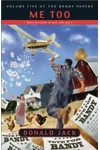
5. Me Too (1983)
Stepping into the roaring twenties, Bandy's ambitions take him into the world of early commercial aviation, political campaigns, and international business. As always, his luck is a bizarre mixture of total ruin and miraculous survival.
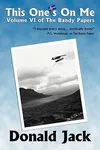
6. This One's on Me (1988)
Bandy's travels take him across the Atlantic and into the high-stakes, pre-WWII environment of Europe. The humor remains sharp as Donald Jack satirizes the socio-political tensions of the era through Bandy's clueless encounters.
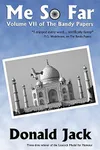
7. Me So Far (1989)
This novel serves as a bridge leading up to the outbreak of the next global conflict. Bandy reflects on his life while continuously stumbling into espionage and comedic trouble in exotic locales.
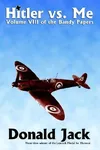
8. Hitler vs. Me (1996)
Bartholomew Bandy returns to active service as World War II begins. Now an older but no less chaotic figure, he goes head-to-head with the absurdity of the second global war, proving that no dictator is safe from his accidental disruption.
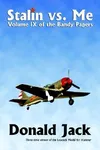
9. Stalin vs. Me (2005)
Published posthumously two years after Donald Jack's death in 2003, this final novel was completed by publishers using Jack's extensive drafts and rough notes. It wraps up the saga by putting Bandy in the chaotic final stages of the war and the beginning of the Cold War tensions.
Donald Jack's Plays and Dramatic Works
Before achieving fame as a novelist, Donald Jack was an accomplished scriptwriter and playwright, composing dozens of scripts for television and radio. His plays stand alone and do not impact the continuity of the Bandy series:
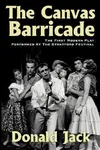
- The Canvas Barricade (1961 / Published 2007): This two-act comedy about an idealistic artist living in a tent on the Ottawa River is historically significant as the first original Canadian play staged at the Stratford Festival.
- Other Plays: Jack also penned critically praised theatrical works such as Minuet for Brass Band, Exit Muttering, Crash, and Flamacue Serenade.
Donald Jack's Non-Fiction Books
For readers looking to explore Donald Jack's non-fiction writing, he published two standalone books that showcase his investigative skill and sharp wit in real-world contexts:
- Sinc, Betty, and the Morning Man (1977): An engaging corporate history detailing the rise and influence of Toronto's premier radio station, CFRB.
- Rogues, Rebels and Geniuses: The Story of Canadian Medicine (1981): A comprehensive, 660-page narrative history that details the development of medical practices in Canada with Jack's characteristic readability.
What to Know Before You Start
Donald Jack’s writing style relies heavily on dry, situational irony, slapstick, and a satirical look at the absurdity of military institutions. While the war scenes in the Bandy series are detailed and show a high level of historical research regarding aircraft and tactics, the tone is fundamentally light and farcical. To get the most enjoyment out of the books, start with Three Cheers for Me and follow Bandy's growth chronologically. Standalone reading is possible, but you will miss the compounding running gags and character development that make the series a cornerstone of Canadian humor.