


Where to Start with Dorothea Johnson
For anyone looking to polish their professional presence or host a flawless social gathering, Dorothea Johnson's bibliography is the gold standard. But where should a reader begin? While all of her books are standalones, the best entry point depends entirely on your current goals. If you want a comprehensive, contemporary guide that bridges classic decorum with the realities of the digital age, start with Modern Manners: Tools to Take You to the Top (2012). Co-authored with her granddaughter, the actress Liv Tyler, this book is highly approachable, engaging, and specifically tailored for modern professionals, job seekers, and students entering the workforce.
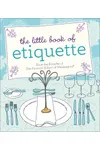
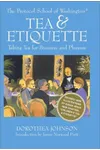
If you are looking for guidance on hosting social events, building relationships over tea, or understanding afternoon tea protocol, the recommended starting point is Tea & Etiquette: Taking Tea for Business and Pleasure (1998). This book has become a legendary resource for historic tearooms, corporate event planners, and social hosts alike. Finally, if you are looking for a quick, pocket-sized reference for general day-to-day interactions, The Little Book of Etiquette (1997) is the ideal starting point to grasp the foundational principles of civility that underpin all of Johnson's later works.
Dorothea Johnson Books in Publication Order
While reading Dorothea Johnson's books in chronological order is not strictly necessary for continuity—as each book focuses on a specific aspect of protocol—following her publication history reveals how her teachings evolved from classic general courtesy to highly specialized business and modern digital etiquette. Below is the complete publication order of her works:
- The Little Book of Etiquette (1997) – A compact, pocket-sized guide containing timeless tips on basic social manners, introductions, and everyday civility.
- Tea & Etiquette: Taking Tea for Business and Pleasure (1998) – Co-authored with tea authority Bruce Richardson, this work outlines the history, customs, and practical courtesies of afternoon tea ceremonies in both social and business contexts.
- The Power of Handshaking: For Peak Performance Worldwide (2004) – Co-authored with Robert E. Brown, this highly specialized guide focuses entirely on the psychology, execution, and cultural variations of the handshake.
- Etiquette Intelligence: The Ultimate International Business Tool (2005) – Co-authored with Robert Hickey, this book is designed for global executives, focusing on international protocol, business dining, and cross-cultural communication.
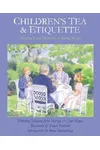
- Children's Tea & Etiquette: Brewing Good Manners in Young Minds (2006) – Co-authored with Bruce Richardson, this illustrated children's book teaches essential manners, eye contact, and sharing to younger generations through a narrative about hosting an intergenerational tea.
- Modern Manners: Tools to Take You to the Top (2012) – Co-authored with Liv Tyler, this is Johnson's most contemporary work, addressing modern challenges such as cell phone etiquette, social media, remote work communication, and job interviews.
Reading Pathways: Match Your Goal
To get the most value out of Dorothea Johnson's books, it is highly recommended to follow a thematic reading path based on your specific needs. Rather than reading sequentially, matching the books to your professional or social objectives ensures immediate practical application of her etiquette tools.
The Corporate and Professional Track
If you are aiming to accelerate your career, secure a promotion, or feel more confident in business settings, you should read her works in this specific order:
- Modern Manners: Start here to master modern communication, networking, dress codes, and digital presence.
- The Power of Handshaking: Move on to this book to understand how nonverbal communication, physical greetings, and first impressions establish authority and trust.
- Etiquette Intelligence: Conclude with this volume to prepare for international business travel, multi-cultural meetings, and high-stakes corporate dining events.
The Social and Family Track
If your goal is to master social hosting, teach politeness to children, or host elegant gatherings, follow this sequence:
- The Little Book of Etiquette: Read this first for a quick refresher on foundational social interactions and daily manners.
- Tea & Etiquette: Study this to learn how to host or attend afternoon tea, brew tea correctly, and use the setting for comfortable socializing.
- Children's Tea & Etiquette: Read this alongside children or grandchildren to pass these social guidelines down to the next generation in a fun, interactive way.
Collaborations and Co-Authors
A notable feature of Dorothea Johnson's bibliography is her frequent collaboration with specialists in various fields. Understanding who she wrote these books with can help you choose the right title. In her tea-centric books, Tea & Etiquette and Children's Tea & Etiquette, she partnered with Bruce Richardson, a prominent American tea writer and owner of Elmwood Inn Fine Teas. This partnership ensured the books combined authentic tea culture and brewing expertise with professional protocol.
For Modern Manners, she partnered with her granddaughter, actress Liv Tyler. Tyler's contributions insert a youthful, modern perspective and real-world anecdotes from the entertainment industry, balancing Johnson's structured, formal protocol. Meanwhile, The Power of Handshaking and Etiquette Intelligence saw collaborations with experts like Robert E. Brown and Robert Hickey, ensuring the advice was tailored to global commerce, diplomacy, and psychology.
What to Know Before You Start
Before diving into Dorothea Johnson's guides, it is helpful to keep a few context points in mind. First, etiquette is not static; it evolves alongside technology. When reading her earliest work, The Little Book of Etiquette (1997), or Tea & Etiquette (1998), you will find advice tailored to a pre-smartphone era. While the underlying values of consideration and respect remain completely unchanged, you should look to Modern Manners (2012) for up-to-date guidance on text messaging, video calls, email tone, and social media boundaries.
Additionally, Johnson's core philosophy is that etiquette is not about stiff, exclusionary rules or snobbery. Instead, she teaches that good manners are essential "soft skills" that make other people feel comfortable and respected. Whether you are shaking hands in a boardroom or sharing scones at an afternoon tea, her books are designed to give you the confidence to navigate any environment with ease.