









Where to Start with Dorothy B. Hughes
Dorothy B. Hughes is best remembered for transforming crime fiction from puzzle-like whodunits into gritty, intense explorations of psychological terror and social anxiety. If you are new to her work, you do not need to start at the beginning of her career. Because almost all of her books are standalone novels, you can jump directly into her masterpieces.
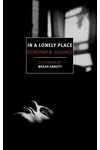
We highly recommend starting with her most famous book, In a Lonely Place (1947). This groundbreaking novel takes you directly inside the mind of Dix Steele, a serial killer operating in post-WWII Los Angeles. It is a masterclass in tension, toxic masculinity, and suspense that laid the template for modern thrillers like The Talented Mr. Ripley and American Psycho.
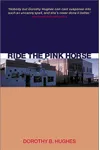
If you prefer a story with a vivid sense of place and atmosphere, start with Ride the Pink Horse (1946). Set in Santa Fe, New Mexico during the annual Fiesta, this atmospheric noir follows a cynical drifter caught in a web of blackmail and murder. It beautifully showcases Hughes's signature style: rich Southwestern settings, moral ambiguity, and creeping paranoia.
The Recurring Characters: Griselda Satterlee and Inspector Tobin
While Hughes is famous for her standalone works, her early novels feature loose connections and a couple of recurring characters. If you want to experience the progression of her writing, these are the books to read in order:
The Griselda Satterlee Duology
Griselda Satterlee is a spirited fashion designer and former Hollywood actress who gets caught up in bizarre, dangerous mysteries. This is the only official character-driven series Hughes wrote:
- The So Blue Marble (1940) – Hughes's debut novel, where Griselda is targeted by elegant but deadly twins searching for a mysterious blue marble.
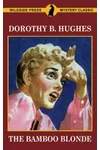
- The Bamboo Blonde (1941) – The direct sequel, set during Griselda's second honeymoon with her ex-husband Con, who is suddenly suspected of murder.
The Inspector Tobin Connection
For readers looking for deeper continuity, NYPD detective Inspector Tobin serves as a connecting thread through Hughes's first four novels. While he is not always the central protagonist, his presence links these early thrillers together. Read them in this order to follow his appearances:
- The So Blue Marble (1940)
- The Cross-Eyed Bear (1940)
- The Bamboo Blonde (1941)
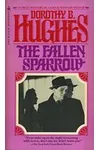
- The Fallen Sparrow (1942)
Dorothy B. Hughes Books in Publication Order
Reading Hughes in order of publication allows you to witness her evolution from writing fast-paced, high-concept wartime thrillers to crafting deeply psychological, socially conscious masterpieces. Here is the complete chronological list of her fiction:
- The So Blue Marble (1940)
- The Cross-Eyed Bear (1940) – Also published as The Cross-Eyed Bear Murders, a gothic-tinged mystery about an inheritance and a dangerous conspiracy.
- The Bamboo Blonde (1941)
- The Fallen Sparrow (1942) – A tense wartime espionage thriller about a Spanish Civil War veteran haunted by his time in a fascist prison.
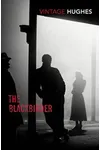
- The Blackbirder (1943) – A gripping chase novel tracking a young refugee fleeing Gestapo agents in the United States.
- The Delicate Ape (1944) – A speculative post-WWII thriller involving a peace treaty and a global conspiracy to spark another war.
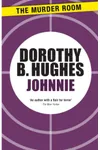
- Johnnie (1944) – A lighter, fast-paced adventure focusing on an ordinary soldier caught up in international intrigue.
- Dread Journey (1945) – A claustrophobic suspense novel set entirely aboard a transcontinental train, featuring a Hollywood starlet who fears her powerful director is planning to kill her.
- Ride the Pink Horse (1946)
- The Scarlet Imperial (1946) – Also known as Kiss for a Killer, an espionage tale involving valuable artifacts and international networks.
- In a Lonely Place (1947)
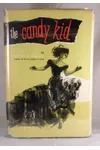
- The Candy Kid (1950) – A borderside noir set in Santa Fe and El Paso, detailing a naive young man caught in a smuggling scheme.
- The Davidian Report (1952) – A Cold War spy novel centered on the hunt for a secret document in Berlin.
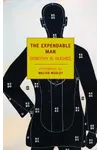
- The Expendable Man (1963) – Her final novel, which brilliantly uses a road trip through the Arizona desert to explore race, privilege, and systemic injustice.
Thematic Reading Paths
If you do not want to read chronologically, you can group Hughes's works by their primary themes to customize your experience:
The Wartime Espionage and Refugee Thrillers (1942–1944)
During the Second World War, Hughes focused on stories reflecting international anxiety, refugees, and fascist threats. These novels blend the shadow of war with hardboiled sensibilities:
- The Fallen Sparrow (1942)
- The Blackbirder (1943)
- The Delicate Ape (1944)
The Southwestern Noir Novels
Hughes spent much of her life in Santa Fe, and the desert landscapes of the American Southwest play a major role in some of her best fiction, contrasting bright, scorching suns with dark human motives:
- Ride the Pink Horse (1946)
- The Candy Kid (1950)
- The Expendable Man (1963)
What to Know Before You Start
Hughes was a pioneer of the psychological thriller, showing how the trauma of World War II fractured the American dream. Many of her books feature returning soldiers, displaced refugees, and intense feelings of paranoia. Unlike many male noir writers of the era, Hughes often subverted gender expectations. Her female characters are frequently the most perceptive, highlighting how women navigate environments dominated by volatile, dangerous men.
Readers should also note that some of her novels were adapted into classic films. The 1950 movie adaptation of In a Lonely Place starring Humphrey Bogart is a masterpiece of cinema, but it departs significantly from the plot and themes of the book. Reading the original novel offers a much darker, unfiltered look at the mind of its protagonist.