



Where to Start Reading Dorothy Simpson
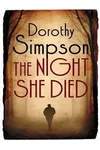
If you are new to the mystery worlds of Dorothy Simpson, the absolute best place to start is at the very beginning of her signature 15-novel police procedural series featuring Inspector Luke Thanet. The debut novel, The Night She Died (1980), introduces readers to the fictional town of Sturrenden in Kent and sets up the essential dynamic between Thanet and his loyal partner, Sergeant Mike Lineham. Starting here allows you to fully appreciate the steady character development, shifting personal lives, and evolving domestic dynamics of the main cast.
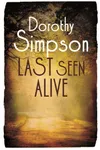
However, if you are looking for a standalone introduction to her writing style before committing to a 15-book sequence, you can pick up her psychological suspense novel Harbingers of Fear (1992) or her award-winning masterpiece Last Seen Alive (1985), which won the prestigious Crime Writers' Association Silver Dagger. The latter works incredibly well as a standalone mystery even though it is the fifth book in the Inspector Thanet series.
Inspector Thanet Series in Publication Order
Dorothy Simpson's Inspector Thanet novels are best read in their order of publication. The chronological timeline of the characters' lives aligns perfectly with the order in which the books were released, making this the cleanest and most rewarding reading path. Over the course of nineteen years, readers watch Inspector Thanet balance the emotional demands of his police work with his home life alongside his wife, Joan, while Sergeant Lineham grows from a somewhat insecure assistant into a highly capable officer in his own right.
- The Night She Died (1980) – The debut case where Thanet investigates the suspicious death of a young housewife, unlocking a decades-old psychological trauma.
- Six Feet Under (1982) – The death of a seemingly ordinary, middle-aged woman reveals a web of blackmail and neighborhood secrets.
- Puppet for a Corpse (1982) – Thanet investigates the apparent suicide of a popular local doctor, suspecting foul play hidden behind a perfect family facade.
- Close Her Eyes (1984) – A young girl is found murdered, forcing the detectives to navigate the insular world of a strict religious sect.
- Last Seen Alive (1985) – The Silver Dagger-winning novel that centers on a murder case involving a woman from Thanet's own past, blending his personal memories with professional duty.
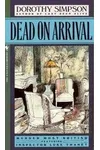
- Dead on Arrival (1986) – A thoroughly disliked man is found murdered in a railway carriage, leaving Thanet with a village full of viable suspects.
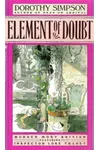
- Element of Doubt (1987) – The fall of a wealthy, manipulative woman from her balcony plunges Thanet into the dark side of local high society.
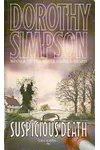
- Suspicious Death (1988) – When a wealthy businesswoman is found dead, the investigation exposes family greed and hidden rivalries.
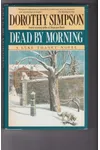
- Dead by Morning (1989) – Thanet must solve a historical family dispute that turns deadly on a freezing winter night.
- Doomed to Die (1991) – The murder of a young mother forces the team to examine the pressures of family life and psychological breaking points.
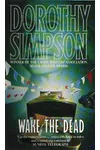
- Wake the Dead (1992) – A high-profile murder at a charity garden party hosted by a local politician tests Thanet's diplomatic and investigative skills.
- No Laughing Matter (1993) – The death of a prominent local vintner at his vineyard exposes deep-seated family resentments.
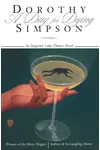
- A Day for Dying (1995) – A birthday celebration turns tragic, demanding Thanet's signature combination of empathy and deduction.
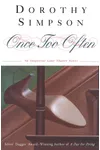
- Once Too Often (1998) – The suspicious death of a local journalist who knew too much about Sturrenden's elite.
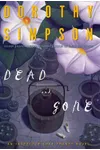
- Dead and Gone (1999) – The emotional final case of the series, dealing with a tragic domestic crime that serves as a poignant farewell to the characters.
Standalone Novels and Non-Fiction
While the Inspector Thanet series defines Dorothy Simpson's legacy as a novelist, she also branched out into other writing styles during her career. Understanding where these fits in her bibliography helps complete the picture for dedicated fans.
The Standalone Suspense Novel
In addition to her series, Simpson published a standalone suspense novel, Harbingers of Fear (1992). This book steps away from the structured police work of Sturrenden to focus on a more singular, psychological threat. It is a fantastic option for readers who enjoy slow-burn tension, domestic paranoia, and stories of ordinary characters thrust into terrifying circumstances. You can read this book at any point, as it shares no characters or continuity with the Thanet novels.
Historical Non-Fiction
In 2020, a book titled Valiant Doctors in the Frontier West was published under Dorothy Simpson's name. This work represents a sharp departure from British mystery fiction, documenting the lives of historical medical pioneers in the American West. Given the massive contrast in subject matter, setting, and genre compared to her lifelong focus on English village mysteries, it stands as a separate curio in her bibliography, reflecting her broad research interests.
What to Know Before You Start
Dorothy Simpson's books sit comfortably in the transition period between the golden age cozy puzzle mysteries of Agatha Christie and the gritty, modern police procedurals that grew popular in the late 1980s and 1990s. While Thanet and Lineham use methodical, real-world police techniques, the stories remain cozy in their atmosphere. They are set in picturesque Kentish villages where the violence is rarely graphic, and the primary focus is on the human heart.
Before launching her writing career, Simpson worked as a marriage guidance counselor. This professional background is the secret weapon of her novels. Instead of relying on high-octane action, she constructs mysteries around domestic friction, long-buried family grudges, and the subtle ways relationships deteriorate. Thanet's greatest strength as an investigator is his psychological empathy—his ability to sit in a room, listen to a suspect, and understand the emotional pressures that drive a person to murder.
Because the books are character-driven procedurals, the personal growth of the detectives is a major highlight. Over the 15 books, you will watch Thanet's children grow up, see Joan Thanet embark on her own career path, and watch Sergeant Lineham navigate romance, marriage, and parenthood. Reading the books out of order will spoil these domestic milestones, which is why sticking to the publication order is highly recommended.