






Recommended Starting Point: How to Begin Reading Dorothy Parker
Dorothy Parker did not write novels; she was a master of short forms, including poetry, short stories, essays, and reviews. Because her work is composed of standalone pieces, you do not need to follow a strict chronological narrative. However, choosing the right entry point makes all the difference in appreciating her distinct voice.
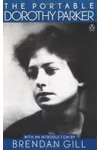
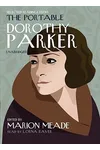
For the vast majority of readers, the absolute best starting point is The Portable Dorothy Parker (first published in 1944). Originally curated by Parker herself, this collection is widely considered the definitive volume of her career. It brings together a comprehensive mix of her best-known short stories (including the O. Henry Award-winning "Big Blonde"), her celebrated verse, and her sharp book reviews written under her famous pseudonym, Constant Reader. Reading The Portable allows you to sample her work in bite-sized pieces, which is how her writing is best enjoyed.
If you prefer to focus on a specific medium rather than an anthology, here are the best targeted starting points:
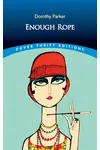
- For Poetry: Start with her debut poetry collection, Enough Rope (1926). It became an instant bestseller and introduces her signature style: light, rhyming verse that mask dark themes of heartbreak, despair, and existential cynicism.
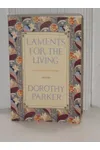
- For Short Fiction: Start with Laments for the Living (1930) or the individual story Big Blonde (1929). These works showcase her ability to dissect social hypocrisy, gender roles, and the quiet tragedies of urban life with razor-sharp satire.
Publication Order of Short Story Collections
For readers who want to watch Parker's prose style mature over the decades, reading her short fiction collections in order of publication is a rewarding path. Note that some modern databases list reprint or compilation dates (such as 1940 for certain editions), but her core collections were published in the following order:
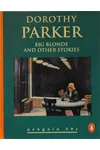
- Big Blonde and Other Stories (1929) – The title story won the O. Henry Award and established her as a major force in American realism.
- Laments for the Living (1930) – Her first formal, compiled volume of thirteen short stories and monologues.
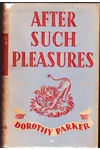
- After Such Pleasures (1933) – Featuring classic stories like "Waltz" and "Lady with a Lamp," exploring the inner lives of disillusioned women. (Note: Frequently reprinted or compiled in later years, such as 1940).
- Here Lies (1939) – A major collected volume of her short stories, combining old favorites with several new pieces.
- The Collected Short Stories (1942)
- The Portable Dorothy Parker (1944) – The essential curated volume.
- Selected Readings from the Portable Dorothy Parker (1976)
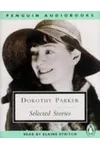
- Selected Stories (1995)
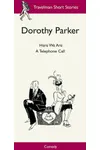
- Here We Are, a Telephone Call (2001)
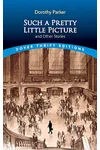
- Such a Pretty Little Picture and Other Stories (2023) – A modern compilation of early and uncollected short fiction.
Publication Order of Poetry Collections
Parker's poetry is rhythmic, punchy, and deeply cynical. To experience her poetic journey, follow the original publication order of her collections:
- Enough Rope (1926) – Her stunning debut poetry book that became a commercial phenomenon.
- Sunset Gun: Poems (1928) – Continuing her themes of love, loss, and dark humor. (Note: Often compiled in later editions dating to 1940).
- Death and Taxes (1931) – Her final volume of new, individual poems.
- Not So Deep as a Well (1936) – Her first comprehensive collected poetry volume, containing selections from her three previous books. (Note: Often registered under 1937 in libraries).
- The Collected Poetry of Dorothy Parker (1944)
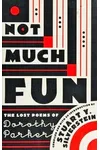
- Not Much Fun (1996) – A posthumous collection gathering poems originally published in magazines but never before compiled.
Plays, Satire, and Non-Fiction
Beyond her prose and poetry, Parker was a seasoned dramatist and essayist. Her collaborative works and plays are best read as standalone pieces after you have familiarized yourself with her core collections:
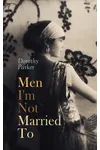
- Men I'm Not Married To (1922) – A highly entertaining, early satirical booklet. It was originally published as a "flip-book" (dos-à-dos) alongside Franklin P. Adams's companion piece, Women I'm Not Married To. The two authors were close friends and core members of the Algonquin Round Table.
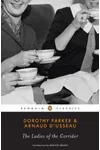
- The Ladies of the Corridor (1953) – A play co-authored with Arnaud d'Usseau, depicting the lives of lonely, hotel-dwelling women in New York City. Parker considered this her favorite piece of writing.
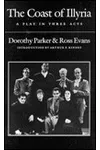
- The Coast of Illyria (1949) – A play co-authored with Alastair MacBain, based on the tragic lives of the nineteenth-century writers Charles and Mary Lamb. It was first staged in 1949 and published in book format in 1990.
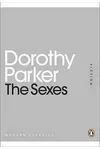
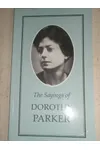
- The Sexes (1944) and Sayings of Dorothy Parker (1992) – Compilations of her sharpest dialogues, essays, and famous quips.
What to Know Before You Start
To fully appreciate Dorothy Parker's writing, it helps to understand the context in which she wrote. She was a founding member of the Algonquin Round Table, an informal group of New York City writers, critics, and actors who met daily at the Algonquin Hotel in the 1920s. Known as "The Vicious Circle," this group was famous for its quick-witted, caustic banter. Parker was the undisputed queen of this circle, and her writing reflects that environment—sharp, fast, and highly critical of social pretension.
Additionally, keep in mind that Parker's humor is almost always paired with sadness. While her poems are famous for their funny, surprise endings, they frequently touch on depression, heartbreak, and thoughts of suicide. Her stories are often deeply melancholic portraits of characters trapped by societal expectations or failed romances. Reading her work requires an appreciation for dark comedy and bittersweet realism.