
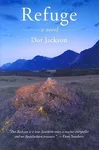
The Recommended Reading Path for Dot Jackson
If you are looking to experience the literary voice of the legendary Appalachian storyteller Dot Jackson, your reading journey is straightforward but incredibly rich. Jackson was primarily a career journalist whose deep-seated connection to the Upcountry of South Carolina and the Blue Ridge Mountains culminated in a single, masterpiece novel and a pair of evocative local history books. Because her bibliography is small and highly focused, we recommend reading her works in the order that allows you to transition from the emotional narrative of her fiction into the real-world history that inspired it.
Step 1: Start with her Masterpiece Fiction
- Refuge (2006): This is Jackson’s debut novel and her only work of fiction. It is the absolute best starting point for any reader. Set during the onset of the Great Depression, it is a classic Southern saga that follows Mary Seneca "Sen" Steele as she escapes a toxic marriage in Charleston and flees to the Appalachian Mountains. Reading this first lets you fall in love with the landscape and the voices of the mountain people through a narrative lens.
Step 2: Dive into the Real Appalachian History
Once you have finished Refuge, you can expand your understanding of the real-world regions, rivers, and families that inspired the setting of the novel. Her two co-authored nonfiction books provide the historical and ecological backdrop for the landscapes she spent her life protecting:
- The Catawba River (1983) (co-authored with Frye Gaillard): A collection of investigative journalism and regional stories that traces the course of the Catawba River, exploring the lives of the people who depend on it.
- Keowee: The Story of the Keowee River Valley in Upstate South Carolina (1995) (co-authored with Michael Hembree): A deeply personal look at the history of the valley where Jackson’s parents were raised, detailing the community, local folklore, and the environmental changes brought on by the Keowee-Toxaway hydroelectric project.
Dot Jackson Books in Order of Publication
If you prefer to read or collect Dot Jackson’s works in the exact chronological order they were published, the sequence is as follows. Note that her nonfiction work preceded her late-career debut as a novelist by more than two decades.
- The Catawba River (1983) (Nonfiction, with Frye Gaillard)
- Keowee: The Story of the Keowee River Valley in Upstate South Carolina (1995) (Nonfiction, with Michael Hembree)
- Refuge (2006) (Novel)
Deep Dive: Refuge (2006)
To fully appreciate Dot Jackson's writing, one must understand the themes and characters of her landmark novel. Refuge is not a generic historical romance; it is a gritty, beautiful, and sometimes tragic exploration of displacement and belonging. The novel begins in 1929 Charleston, where Mary Seneca "Sen" Steele is trapped in an abusive, soul-crushing marriage to a wealthy but cruel man. Reaching her breaking point, she packs up her children and steals her husband’s brand-new Auburn Phaeton automobile, driving straight toward the Blue Ridge Mountains.
Her destination is "the Birches," her family's ancestral mountain home. As Sen settles into the mountain way of life, she sheds her former identity as a refined Charleston lady and discovers a resilient, self-reliant side of herself. She builds a new life, learns the folklore of the region, and confronts long-buried family secrets. The novel also features a passionate, intense, and ultimately ill-fated love affair with her married cousin, Ben Aaron. Through Sen’s eyes, readers experience the double-edged sword of finding a sanctuary: the mountains offer healing, but they also demand sacrifice and bring their own forms of tragedy.
Critics and readers alike have lauded Refuge for its rich regional dialect, sensory prose, and deeply authentic characters. The novel won the prestigious Weatherford Prize in 2007, an award honoring works that best document the history, culture, or challenges of the Appalachian South.
The Legacy of Dot Jackson's Writing Style
Jackson's writing style is a unique merger of her two lifelong callings: news reporting and folklore preservation. Having spent decades in Southern newsrooms covering everything from high-profile murder trials to snake-handling religious ceremonies, she developed an incredibly sharp ear for authentic dialect and a refusal to romanticize or sanitize the grit of rural life. When she turned her hand to fiction late in life, this background allowed her to avoid the typical caricatures of Appalachian people. Instead, her characters possess a dignity, humor, and sharp intelligence that resonate deeply with readers of Southern literature. Her prose is sensory and grounded, making the Blue Ridge Mountains feel less like a passive backdrop and more like an active character shaping the fate of the people who walk its trails.
Understanding the Nonfiction Companions
Jackson’s nonfiction books are not dry historical texts; they are living oral histories that read with the same storytelling cadence found in her fiction. By reading her nonfiction, you gain a deeper appreciation for the real-life landscapes that make Refuge feel so authentic.
The Catawba River (1983)
Co-authored with fellow journalist Frye Gaillard, this book grew out of a series of articles for the Charlotte Observer. The authors traveled the length of the Catawba River, interviewing locals, documenting environmental concerns, and archiving the rich oral history of the river basin. It is a perfect read for those who want to see the journalistic roots that sharpened Jackson's eye for detail.
Keowee: The Story of the Keowee River Valley (1995)
Co-authored with Michael Hembree, this book is even closer to Jackson’s heart. Her parents were raised in the Keowee River Valley, a region that was permanently altered in the late 1960s and 1970s when the valley was flooded to build Lake Keowee. The book serves as a memorial to the drowned towns, ancestral farmlands, and displaced families of the Upcountry. The themes of displacement, lost homelands, and ancestral memory in Keowee mirror the struggles Sen faces in Refuge.
What to Know Before You Start
Before you begin reading Dot Jackson's works, there are a few practical tips to keep in mind to enhance your experience:
- Embrace the Dialect: Jackson was dedicated to preserving authentic Appalachian speech. Her dialogue contains regional terms, colloquial spellings, and speech patterns unique to the Carolinas. Don't rush through the dialogue; let the cadence flow naturally.
- Check the Author's Name: When searching for Refuge online, be careful not to confuse it with Alan Gratz's 2017 middle-grade novel Refugee or other books with similar names. Look specifically for Dot Jackson's name to ensure you purchase the right book.
- Appalachian Preservation: Jackson was also a cultural advocate. She co-founded the Birchwood Center for Arts and Folklife in South Carolina to preserve the region's traditional music, crafts, and storytelling. Keeping her real-life activism in mind adds a layer of depth to the themes of preservation and respect for the land found throughout her books.