


















Recommended Reading Path: Where to Start with Dudley Pope
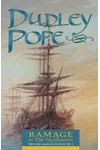
If you are new to Dudley Pope's naval adventures, the best and most rewarding place to start is with the first book in his famous Lord Ramage series: Ramage (1964). Reading the Nicholas Ramage series in publication order is highly recommended. The character relationships, Ramage's progression in rank, and the background historical timeline of the Napoleonic Wars develop organically from one novel to the next. Starting mid-series will spoil key character developments and minor plot threads that carry over.
For those looking for a change of pace from the Napoleonic Era, Dudley Pope also offers a look into 17th-century piracy and World War II naval escort operations. However, navigating these requires a bit of care due to a shared character name across completely different centuries.
The Lord Ramage Series
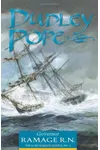
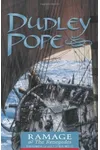
Spanning 18 novels, the Nicholas Ramage series is Dudley Pope's signature work. Lord Nicholas Ramage is a daring Royal Navy officer who, much like C.S. Forester's Horatio Hornblower, must navigate the perilous waters of French encounters, demanding superiors, and intense combat. Pope’s work stands out for its fast-paced action, realistic maritime details, and romantic subplots.
Nicholas Ramage Books in Publication and Chronological Order
Since the publication order matches the chronological development of Nicholas Ramage's career, you should follow this list step-by-step:
- Ramage (1964)
- Ramage and the Drum Beat (1968)
- Ramage and the Freebooters / Triton Brig (1969)
- Governor Ramage R. N. (1973)
- Ramage's Prize (1974)
- Ramage and the Guillotine (1975)
- Ramage's Diamond (1976)
- Ramage's Mutiny (1977)
- Ramage & the Rebels (1978)
- The Ramage Touch (1979)
- Ramage's Signal (1980)
- Ramage & the Renegades (1981)
- Ramage's Devil (1982)
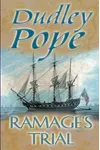
- Ramage's Trial (1984)
- Ramage's Challenge (1985)
- Ramage At Trafalgar (1986)
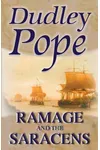
- Ramage And The Saracens (1988)
- Ramage & the Dido (1989)
The Ned Yorke Books: Crucial Caveats for Readers
One of the most confusing aspects of Dudley Pope's bibliography is the Ned Yorke books. Bibliographies often lump all of these books together under one series name. However, they actually cover two entirely separate characters and historical settings:
The 17th-Century Buccaneer Ned Yorke
This subseries is set in the 17th century (primarily the 1650s and 1660s) and follows a Royalist planter in Barbados who turns to buccaneering and piracy after the English Civil War. To follow this character's story, read these four books in order:
- Buccaneer (1981)
- Admiral (1982)
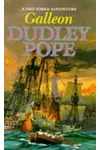
- Galleon (1987)
- Corsair (1987)
The World War II Ned Yorke
The remaining two books feature a completely different character—a Royal Navy lieutenant also named Ned Yorke—serving during the Second World War. These books focus on convoy escort duties and anti-submarine warfare. They should be read separately from the pirate adventure series:
- Convoy (1979)
- Decoy (1983)
Standalone Novels and Non-Fiction
Dudley Pope was also an accomplished naval historian before he turned to writing fiction. His non-fiction works are highly regarded for their historical precision and served as the research foundation for his novels.
Dudley Pope's Non-Fiction in Publication Order
- Flag 4 (1954)
- The Battle of the River Plate (1956)
- Graf Spee (1957)
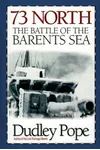
- 73 North: The Battle of the Barents Sea 1942 (1958)
- Decision at Trafalgar / England Expects (1960)
- At 12 Mr. Byng was Shot (1962)
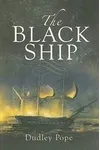
- The Black Ship (1963)
- Guns (1965)
- Harry Morgan's Way (1977)
- The Great Gamble (1978)
- The Buccaneer King (1978)
- Life in Nelson's Navy (1981)
- The Devil Himself (1987)
What to Know Before You Start
Dudley Pope wrote his books with an authentic sailor's perspective, having served as a Merchant Navy cadet during World War II and spending much of his later life living and writing aboard his yachts in the Caribbean. Unlike Patrick O'Brian's Aubrey-Maturin series, which has a heavy literary and introspective focus, Pope's novels prioritize high-stakes action, romance, and historical battles. They are accessible, thrilling, and make an excellent entry point for anyone interested in classic age-of-sail fiction.