

































Where to Begin: The Essential Starting Points
With an output as vast as E. Phillips Oppenheim's, the sheer volume of choices can be overwhelming. Fortunately, because the vast majority of his works are standalone novels, you do not need to worry about a strict chronological reading order. You can start almost anywhere, but two novels stand out as the perfect entry points into his bibliography.
- The Great Impersonation (1920): Widely considered Oppenheim's masterpiece, this World War I espionage thriller centers on a high-stakes identity swap between an English nobleman and a German spy who look identical. It is the absolute best representation of Oppenheim's trademark suspense, pacing, and dramatic twists.
- Mysterious Mr. Sabin (1898): If you want to see where the modern spy thriller was born, start here. This novel launched Oppenheim into literary stardom and established the 'secret treaty stolen by an aristocratic mastermind' trope that would define the genre for decades.
The Mr. Sabin Dilogy: Oppenheim’s Connected Novels
While Oppenheim preferred standalone adventures, he did write one direct two-part novel series centering on his most famous mastermind, Mr. Sabin. These two books should be read in order:
- Mysterious Mr. Sabin (1898): Introduces the sophisticated, monarchist plotter Mr. Sabin as he attempts to orchestrate a geopolitical conspiracy involving France and Germany against Britain.
- The Yellow Crayon (1903): The direct sequel where Mr. Sabin returns to action after his wife goes missing, leading him to clash with a powerful and shadowy secret society known as the Order of the Yellow Crayon.
Recurring Characters: Connected Short Story Collections
Though Oppenheim rarely wrote multi-book novel series, he was a pioneer of using recurring protagonists across connected short story collections. These books gather episodic adventures that follow the same main characters, making them function like episodic series:
The General Besserley Series
This late-career series follows General Samuel Besserley, a retired American intelligence officer living on the French Riviera who constantly finds himself drawn into local mysteries and international incidents. The collections should be read in publication order:
- General Besserley's Puzzle Box (1935)
- General Besserley's Second Puzzle Box (1940)
The Louis of the Milan Hotel Series
Set in London's glamorous Milan Hotel, these connected stories revolve around Louis, the observant maître d' who witnesses, assists in, and sometimes solves the high-society crimes and romantic intrigues of his wealthy guests. They consist of two volumes:
- A Pulpit in the Grill Room (1938)
- The Milan Grill Room (1941)
Other Major Character-Led Collections
If you enjoy episodic detective work and espionage, Oppenheim published several other standalone collections built around a single, central character:
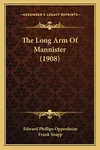
- The Long Arm of Mannister (1908): A dark, episodic revenge cycle following Mannister as he systematically hunts down the conspirators who betrayed him and stole his fortune.
- Peter Ruff and the Double-Four (1912): Also published as The Double Four, this collection follows a private investigator who eventually becomes the head of a powerful international secret agency.
- Ambrose Lavendale, Diplomat (1920): World War I-era espionage stories centering on a daring American diplomat working behind the scenes in London and France.
- The Honorable Algernon Knox, Detective (1920): A lighter, drawing-room mystery collection starring a seemingly empty-headed young aristocrat who hides a brilliant detective mind.
- Nicholas Goade, Detective (1929): Follows a retired Scotland Yard detective who travels the English countryside with his dog, finding mysteries wherever he goes.
- Gangster's Glory / Inspector Dickens Retires (1931): Features the retirement adventures of Inspector Dickens as he deals with underworld criminals.
- Ask Miss Mott (1936): Centers on the investigative exploits of the independent and sharp-witted detective Miss Mott.
The Anthony Partridge Pseudonym
Between 1908 and 1912, Oppenheim briefly wrote under the pen name Anthony Partridge to publish a series of standalone thrillers. If you are looking to complete your collection, keep an eye out for these five titles:
- The Distributors / Ghosts of Society (1908)
- The Kingdom of Earth / The Black Watcher (1909)
- Passers-By (1910)
- The Court of St. Simon (1912)
- The Tempting of Tavernake (1912)
The British Library Crime Classics Connection
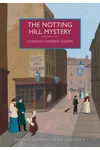
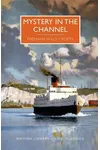
Modern readers often discover Oppenheim through the prestigious British Library Crime Classics reprint series. It is important to note that this is a curated anthology and reprint series featuring many different authors from the Golden Age of Detective Fiction. E. Phillips Oppenheim's 1934 spy novel, The Spy Paramount, was selected and reprinted as part of this series (listed as Volume 21 in the series' publication sequence), alongside works by John Bude, E.C.R. Lorac, and Christianna Brand.
What to Know Before You Start
Oppenheim's books are famous for their 'dispatch-box atmosphere'—a blend of high-level diplomacy, secret treaties, glamorous Riviera casinos, and aristocratic heroes. Because he dictated his novels to secretaries, his stories move at a brisk, conversational pace but can sometimes feature loose ends or rapid resolutions. To appreciate his work fully, it is best to view them as historical time capsules reflecting the geopolitical anxieties of their eras, particularly the looming threat of war in Europe before 1914 and 1939.