























Where to Start with E.C. Tubb
With a career spanning over five decades, 140 novels, and dozens of pseudonyms, E.C. Tubb (frequently writing as Gregory Kern) is a towering figure of British science fiction. For readers looking to dive into his work, there are two primary starting points depending on your preference for grand space adventures or tight, standalone classics:
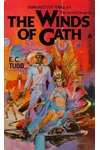
- The Space Opera Route: Begin with The Winds of Gath (1967). This is the first book of the legendary 33-novel Dumarest Saga. It introduces Earl Dumarest and the foundational mystery of his search for Earth, serving as the perfect entry point into Tubb's most celebrated universe.
- The Standalone Route: Start with The Space-Born (1956). Originally published as a shorter novel, this is one of the earliest and most influential generational starship stories in science fiction, exploring a crew bound by strict laws of population control on a multi-century journey.
The Dumarest of Terra Saga
The Dumarest of Terra series (commonly called the Dumarest Saga) is Tubb's masterpiece. The series follows Earl Dumarest, an adventurer traveling across a fragmented, far-future galaxy where Earth is dismissed as a mythical planet of origin. Pursued by the Cyclan—a sinister brotherhood of emotionless, cybernetically enhanced logic-worshipers—Dumarest moves from world to world seeking clues to find his lost home.
Publication and Chronological Order
Unlike many modern multi-volume series, the Dumarest Saga does not require complex chronological adjustments. The publication order is the chronological order. Because Dumarest's journey is a continuous linear quest, it is highly recommended to read them in the sequence they were published:
- The Winds of Gath / Gath (1967)
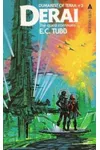
- Derai / The Death Zone (1968)
- Toyman (1969)
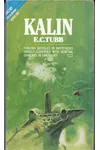
- Kalin (1969)
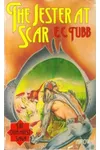
- The Jester At Scar (1970)
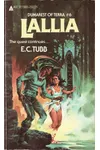
- Lallia (1971)
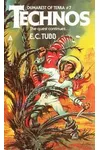
- Technos (1972)
- Veruchia (1973)
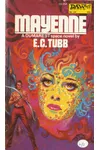
- Mayenne (1973)
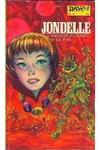
- Jondelle (1973)
- Zenya (1974)
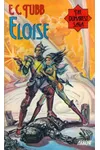
- Eloise (1975)
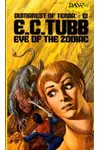
- Eye of the Zodiac (1975)
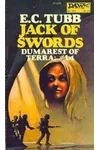
- Jack of Swords (1976)
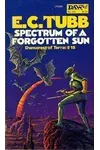
- Spectrum of a Forgotten Sun (1976)
- Haven of Darkness (1977)
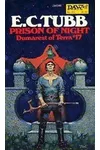
- Prison of Night (1977)
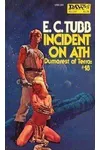
- Incident on Ath (1978)
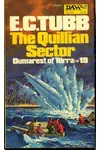
- The Quillian Sector (1978)
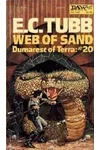
- Web of Sand (1979)
- Iduna's Universe (1979)
- The Terra Data (1980)
- World of Promise (1980)
- Nectar of Heaven (1981)
- The Terridae (1981)
- The Coming Event (1982)
- Earth is Heaven (1982)
- Melome (1983)
- Angado (1984)
- Symbol of Terra (1984)
- The Temple of Truth (1985)
- The Return (1997)
- Child Of Earth (2008)
Dumarest Saga Reading Guidance
While the overall search for Earth serves as the overarching plot, the individual books function largely as self-contained episodic adventures. Dumarest arrives on a new planet, gets embroiled in local politics, conflicts, or survival scenarios, gains a piece of the puzzle, and moves on. However, later volumes build on earlier lore, and key characters like the telepath Kalin or the cybernetic Cyclan reappear, making a linear reading order essential for the full narrative payoff.
Readers should note the publication gaps toward the end of the series. After The Temple of Truth in 1985, the series went on a twelve-year hiatus before The Return was published in 1997. The definitive conclusion, Child Of Earth, was released in 2008, bringing Earl Dumarest's journey to a close shortly before Tubb's death in 2010.
The Cap Kennedy Series (Writing as Gregory Kern)
Writing under the pseudonym Gregory Kern, Tubb penned the Cap Kennedy series (also known as the F.E.E.D. Agent series). Kennedy is a free-agent galactic trouble-shooter operating under the Free Enterprise Earth Division. These space-opera paperbacks are fast-paced, action-oriented pulp science fiction. The series is best read in publication order:
- Galaxy of The Lost (1973)
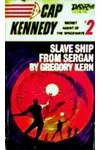
- Slave Ship from Sergan (1973)
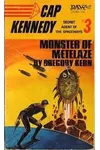
- Monster of Metelaze (1973)
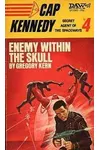
- Enemy Within the Skull (1974)
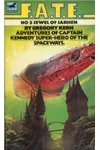
- Jewel of Jarhen (1974)
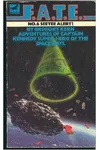
- Seetee Alert! (1974)
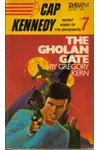
- The Gholan Gate (1974)
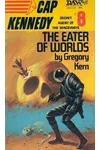
- Eater of Worlds (1974)
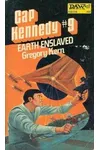
- Earth Enslaved (1974)
- Planet of Dread (1974)
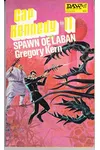
- The Spawn of Laban (1974)
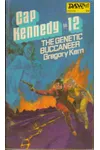
- The Genetic Buccaneer (1974)
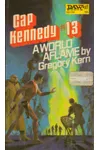
- A World Aflame (1974)
- Ghost of Epidoris (1975)
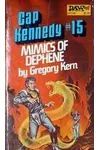
- Mimics of Dephene (1975)
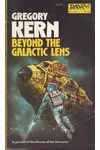
- Beyond the Galactic Lens (1975)
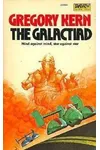
- The Galactiad (1983)
The Cap Kennedy books were very popular in translation, particularly in Germany, where the series was branded as Commander Scott. In Germany, the series expanded significantly past Tubb's original novels with contributions from local authors. For English readers, the seventeen books written by Tubb constitute the complete canonical run.
The Gladiators Series
Moving away from space opera, Tubb also wrote a historical adventure trilogy focused on a gladiator named Atilus. Set in the Roman Empire, it details a gritty, action-packed story of survival and combat. Read this series in order:
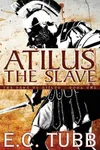
- Atilus the Slave (1975)
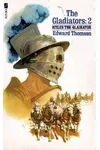
- Atilus the Gladiator (1975)
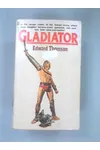
- Gladiator (1978)
Space: 1999 Tie-in Novels
In the mid-1970s, Tubb contributed several novels to the official tie-in series for the science fiction television show Space: 1999. Tubb's books are highly regarded by franchise fans for their atmospheric depth, and they consist of both television episode novelizations and original spin-off stories:
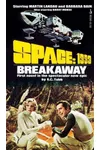
- Breakaway (1975) – Novelization of the pilot episode.
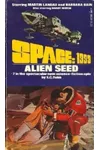
- Alien Seed (1976) – An original story set in the Space: 1999 universe.
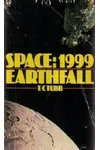
- Earthfall (1977) – An original story set decades later, providing a prospective ending to the Alphans' journey.
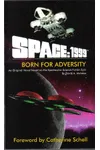
- Born For Adversity (2010) – A posthumously published companion work.
What to Know Before You Start
E.C. Tubb's style is heavily influenced by the golden age of pulp science fiction, but with a grittier, more realistic edge. Characters are often desperate survivors, and the worlds are harsh and indifferent. Notably, the Dumarest Saga served as a direct inspiration for the classic tabletop role-playing game Traveller, particularly its depiction of cold berths (low passage), low-tech versus high-tech planets, and fragmented interstellar travel. If you enjoy survival-focused, episodic space exploration, Tubb's bibliography is a treasure trove.