













Where to Start with Edmund White
For readers looking to dive into the rich, lyrical, and historically significant bibliography of Edmund White, the absolute best place to start is his acclaimed Edmund Trilogy (often referred to as his autobiographical or semi-autobiographical trilogy). Spanning from the late 1950s through the height of the AIDS crisis, these books offer a deeply personal and beautifully written chronicle of gay life in America.
You should read this trilogy in its publication order, which also matches the chronological life stages of its unnamed narrator:
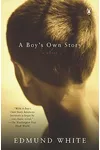
- A Boy's Own Story (1982): This is White's landmark coming-of-age novel. It details the narrator's adolescence in the American Midwest during the repressive 1950s, exploring his emerging sexuality, intense loneliness, and search for identity.
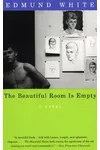
- The Beautiful Room Is Empty (1988): The second installment follows the narrator through his college years and early adulthood in New York City and Chicago. It captures the social restrictions of the 1960s, leading up to the historic Stonewall Riots of 1969.
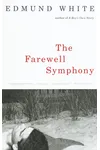
- The Farewell Symphony (1997): The massive final volume covers the narrator's adult years in New York, Paris, and Rome. It serves as a monumental elegy to a generation of friends, lovers, and artists lost to the AIDS epidemic of the 1980s and 1990s.
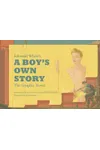
If you prefer visual storytelling, you can also check out Edmund White's A Boy's Own Story: The Graphic Novel (2023). Co-adapted by White alongside Brian Alessandro and Michael Carroll, and illustrated with painted panels by Igor Karash, it brings the classic coming-of-age story to life in a new medium.
The Standalone Novels
Outside of his core trilogy, White has written an array of standalone novels that span experimental fiction, historical drama, and contemporary romance. If you want to explore his standalone work, reading in publication order is highly recommended to see how his writing evolved from avant-garde beginnings to more accessible, satirical, and intimate narratives:
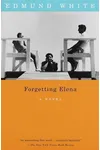
- Forgetting Elena (1973): White's debut novel is a highly stylized, dreamlike satire of social rituals set on an island resort. It famously earned high praise from Vladimir Nabokov.
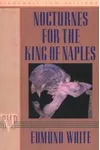
- Nocturnes for the King of Naples (1978): A lyrical, poetic novel written as a series of love letters to a deceased former lover.
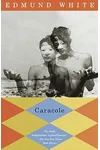
- Caracole (1985): A lush, complex historical novel set in an imaginary nineteenth-century city, focusing on love, power, and high society.
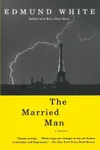
- The Married Man (2000): A poignant, semi-autobiographical novel about a mature American writer who falls in love with a younger, married French architect, exploring their relationship under the shadow of HIV.
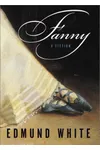
- Fanny (2003): A witty historical novel focusing on the real-life historical figures Frances Trollope and Frances Wright as they travel through America in the nineteenth century.
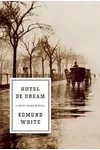
- Hotel de Dream (2007): A brilliant historical fiction that reimagines the final days of American author Stephen Crane in a European boarding house, juxtaposed with the story of a young male prostitute in late-nineteenth-century New York.
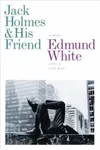
- Jack Holmes and His Friend (2012): A dual narrative examining the complex, lifelong friendship between a gay man and a straight man in mid-twentieth-century New York.
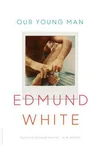
- Our Young Man (2016): The story of a beautiful young man from the Midwest who becomes a high-fashion model in New York and Paris during the 1970s and 1980s.
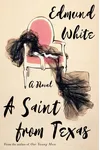
- A Saint from Texas (2020): A novel tracking the wildly different paths of twin Texan sisters, one who enters Parisian high society and the other who becomes a nun in Colombia.
- A Previous Life (2021): A playful, meta-fictional story about a husband and wife who decide to write down their complete, honest past relationship histories, revealing unexpected gay and straight romances.
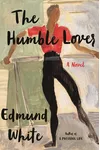
- The Humble Lover (2023): A satirical and sharp romance detailing a wealthy older woman, a young male dancer, and the complex web of desire surrounding them.
Crucial Series Clarifications: "Writer and the City" & "Penguin Lives"
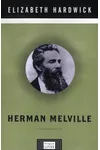
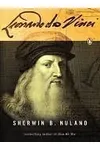
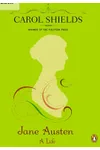
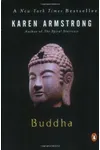
When looking at bibliographies of Edmund White, it is easy to get confused by two prominent multi-author publishing series he participated in. It is important to know that White did not write all the books in these series; he only contributed single volumes to them.
The Writer and the City Series
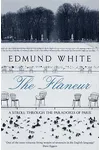
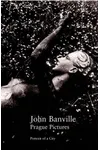
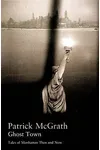
Published by Bloomsbury, this travel-oriented series commissioned famous authors to write about specific cities. White's sole contribution to this project is The Flaneur: A Stroll through the Paradoxes of Paris (2001). The other titles in this series were penned by different authors, such as David Leavitt (Florence, a Delicate Case), John Banville (Prague Pictures), Patrick McGrath (Ghost Town), and Justin Cartwright (Oxford Revisited).
The Penguin Lives Biographies
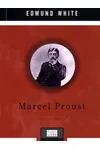
Similarly, the "Penguin Lives" series features brief, accessible biographies written by prominent authors. White wrote just one biography for this series: Marcel Proust (1999). The other volumes associated with the series—such as biographies of Mao Zedong, Mozart, Saint Augustine, and Virginia Woolf—were written by other biographers like Jonathan Spence, Marshall McLuhan, and Jane Smiley.
Biographies and Memoirs
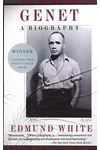
In addition to his brief biography of Proust, White is a celebrated biographer of French literary rebels. His massive biography Genet: A Biography (1993) won the National Book Critics Circle Award and remains the definitive work on the life of Jean Genet. He also authored Rimbaud: The Double Life of a Rebel (2008).
Because his fiction is so deeply autobiographical, his actual memoirs serve as excellent companion pieces. Readers who want to understand the real-life events behind the novels should read:
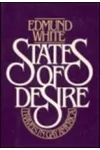
- States of Desire (1980): A journalistic travelogue mapping gay life across America just before the dawn of the AIDS crisis.
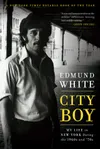
- City Boy: My Life in New York During the 1960s and '70s (1999): A memoir focusing on the vibrant intellectual and gay social scenes of New York, featuring figures like Susan Sontag.
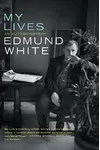
- My Lives (2005): A thematic memoir structured around key aspects of his life (his father, his therapists, his lovers).
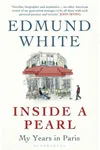
- Inside a Pearl: My Years in Paris (2014): A memoir of his fifteen years living in France, rubbing shoulders with the French cultural elite.
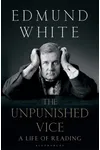
- The Unpunished Vice: A Life of Reading (2018): A unique memoir reflecting on his life through the books that shaped him.
Collaborations and Short Stories
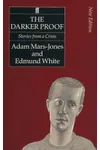
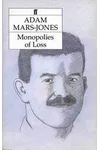
A major milestone in White's bibliography is his collaboration with British writer Adam Mars-Jones on The Darker Proof: Stories from a Crisis (1987). This historic collection features short stories from both writers addressing the early, devastating years of the AIDS epidemic. Note that the other collections listed under Mars-Jones's name (such as Lantern Lecture and Monopolies of Loss) are solo works by Mars-Jones and do not feature contributions from White.
What to Know Before You Start
Before diving into White's bibliography, it is helpful to understand his literary style. Influenced heavily by European masters like Marcel Proust and Vladimir Nabokov, White writes with a lush, descriptive, and introspective style. His works blur the boundaries between fiction and memoir, a style now often called autofiction. While his books deal openly with sexuality, aging, illness, and grief, they are also shot through with a dry, observational wit and a deep love for art and culture.