











Where to Start: The Country Girls Trilogy
The absolute best place to begin your journey into Edna O'Brien's work is with her legendary debut series, The Country Girls Trilogy. Published in the early 1960s, these three novels shocked conservative, mid-century Ireland with their candid, empathetic portrayal of female friendship, desire, and independence. The books follow the lives of two friends, the romantic Kate and the cynical Baba, as they escape a repressive rural convent upbringing to seek adventure, love, and self-determination in Dublin and London.
You should read the trilogy in its original publication order to fully appreciate the characters' developmental arc and O'Brien's changing tone, which shifts from youthful optimism to a darker, more mature look at the complexities of adulthood:
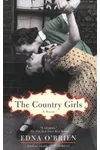
- The Country Girls (1960): The novel that started it all. It introduced readers to Kate and Baba and was famously banned, burned, and denounced from pulpits in O'Brien's home country.
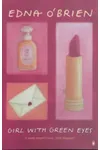
- Girl with Green Eyes (1962): Originally published in the United Kingdom under the title The Lonely Girl, this second installment follows Kate's passionate but difficult relationship with an older, sophisticated man. The title was later changed to match the successful 1964 film adaptation starring Rita Tushingham and Peter Finch.
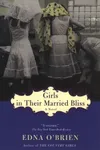
- Girls in Their Married Bliss (1964): The final book in the trilogy follows both women into the bittersweet realities of marriage, infidelity, motherhood, and disillusionment.
For convenience, many modern publishers package all three novels along with a later epilogue, written in 1986, into a single volume simply titled The Country Girls Trilogy and Epilogue. This is the ideal starting point for any reader.
Publication Order of Edna O'Brien's Standalone Novels
After finishing the trilogy, O'Brien embarked on a long and celebrated career as a standalone novelist. Her standalone novels can be broken down into three distinct eras, charting her evolution from a chronicler of mid-century sexual liberation to a writer of deep political and international import.
The Radical Years (1965–1977)
In the wake of her trilogy, O'Brien continued to explore themes of female sexuality, loneliness, and societal rebellion. These books are intimate, lyrical, and often controversial:
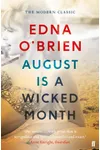
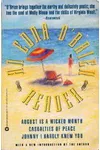
- August Is a Wicked Month (1965): Follows a divorced mother searching for sexual and personal liberation on the French Riviera.
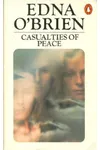
- Casualties of Peace (1966): A story of a glass sculptor trying to rebuild her life after an abusive relationship.
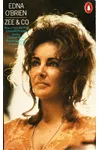
- Zee & Co. (1971): An intense, dramatic triangle involving a wealthy husband, his erratic wife, and his new mistress (adapted into a film starring Elizabeth Taylor).
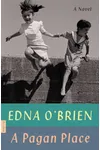
- A Pagan Place (1971): Written in a unique second-person narrative style, this novel returns to the repressive atmosphere of rural Ireland during World War II.
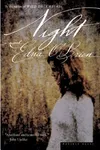
- Night (1973): A stream-of-consciousness monologue delivered by a middle-aged Irish woman, Mary Hooligan, over the course of one sleepless night.
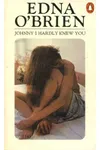
- Johnny I Hardly Knew You (1977): A dark psychological novel details a crime of passion and its aftermath.
The Mid-Career Standalones (1981–1999)
During this period, O'Brien's work expanded to tackle the broader political conflicts of Ireland, combining personal grief with national trauma:
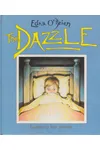
- The Dazzle (1981): A shorter novel exploring complex relationships and personal boundaries.
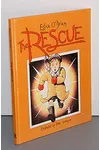
- The Rescue (1983): A portrait of isolation and emotional survival.
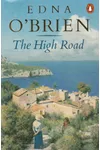
- The High Road (1988): Set in a coastal Spanish village, focusing on love and recovery among expatriates.
- On The Bone (1989): A rare and lesser-known work focusing on domestic and psychological tension.
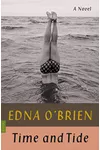
- Time and Tide (1992): A sprawling, emotional look at the intense bond between a mother and her sons.
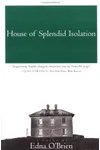
- House of Splendid Isolation (1994): Marks a major shift into political themes, centering on an elderly woman who is taken hostage in her own home by an escaped IRA member.
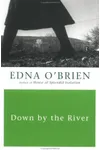
- Down by the River (1997): A harrowing novel based on the real-life "X Case" in Ireland, following a pregnant teenager fighting for her right to obtain an abortion.
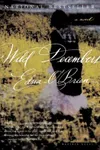
- Wild Decembers (1999): A poetic tragedy detailing a fierce land dispute between neighbors in rural western Ireland.
Late Masterpieces & The Global Phase (2002–2019)
Even in her eighties, O'Brien remained a vital, fearless voice, exploring both local tragedies and international horrors:
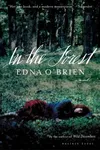
- In the Forest (2002): A dark, controversial novel based on a real-life triple murder that occurred in County Clare.
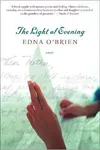
- The Light of Evening (2006): A deeply personal story that mirrors O'Brien's relationship with her own mother, depicting an aging woman in an Irish hospital waiting for her daughter to visit.
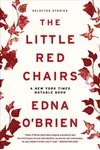
- The Little Red Chairs (2015): Widely considered one of her late-career masterpieces, this novel tells the story of an Irish village woman who falls in love with a charismatic stranger who is eventually revealed to be a hiding Balkan war criminal.
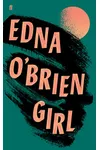
- Girl (2019): Her final novel, written when O'Brien was in her late eighties. Leaving Ireland behind, she traveled to Nigeria to research the stories of schoolgirls kidnapped by Boko Haram, resulting in a devastating, empathetic tale of survival.
Understanding Publisher Series: Faber Stories & Penguin Lives
When looking at bibliographic databases of Edna O'Brien's work, readers are often confused by listings of multi-author publisher series. It is important to know that O'Brien did not write all the books in these series; rather, she contributed specific volumes to them:
The "Faber Stories" Series
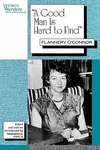
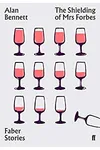
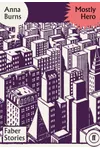
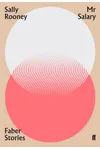
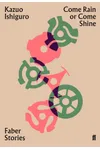
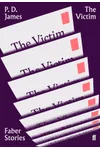
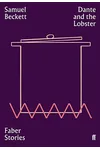
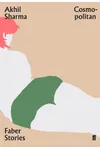
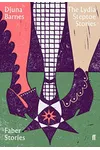
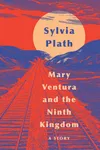
Released by her publisher Faber & Faber to celebrate their 90th anniversary, the Faber Stories series is a collection of standalone, pocket-sized books featuring individual stories from legendary writers (including Sally Rooney's Mr Salary, Sylvia Plath's Mary Ventura and The Ninth Kingdom, and Flannery O'Connor's A Good Man Is Hard To Find). Edna O'Brien's single contribution to this collection is her short story Paradise (2019). It should be read as part of her broader short fiction catalog rather than a novel series.
The "Penguin Lives" Biographies
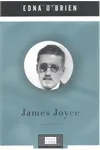
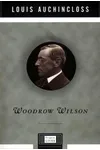
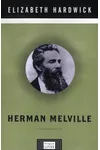
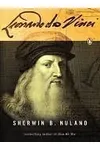
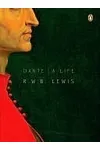
The Penguin Lives books are a series of short biographies of major historical figures written by prominent modern authors. Edna O'Brien contributed the volume James Joyce (1999). As a lifelong admirer of Joyce (whose work initially inspired her to write), O'Brien's short biography is a warm, insightful, and accessible introduction to the modernist master.
Short Story Collections, Plays, and memoirs
O'Brien was a master of short-form fiction, frequently publishing stories in The New Yorker. For readers who want to experience her lyrical prose in shorter bursts, several collections are essential:
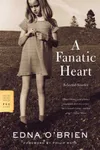
- A Fanatic Heart (1984): A massive, retrospective collection of her best early short stories, featuring an introduction by Philip Roth. It is the best starting point for her short fiction.
- Saints and Sinners (2011): A later collection containing highly acclaimed, melancholic stories of love, aging, and Irish exile.
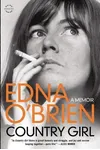
- Country Girl (2012): Her official memoir. It is a beautifully written, evocative account of her childhood in County Clare, her escape to London, and her interactions with literary and cultural icons of the 20th century.
What to Know Before You Start
Before diving into O'Brien's bibliography, keep these historical and thematic contexts in mind:
- The Tone Shift: While her early books (especially the first two books of the trilogy) are filled with humor, youthful romance, and rebellion, her mid-to-late career work becomes significantly darker, tackling themes of war crimes, murder, systemic abuse, and political terrorism.
- Read Standalones Individually: Outside of The Country Girls Trilogy, none of her novels share character continuity. You can read her standalone novels in any order you choose. If you want a taste of her late, mature style, start with The Little Red Chairs. If you want her classic, intimate style, pick up A Pagan Place or August Is a Wicked Month.
- Autobiographical Elements: O'Brien drew heavily from her own life. Reading her memoir, Country Girl, alongside her early novels will show you how closely her fictional heroines mirror her own journey away from rural Ireland.