


Where to Start with Edward Lee
Edward Lee is a seminal figure in the 1990s splatterpunk movement, celebrated for his unique fusion of visceral, transgressive horror and cosmic dread heavily inspired by H.P. Lovecraft. Because his bibliography spans dozens of novels, novellas, and short story collections, newcomers often wonder where to begin. Due to the extreme graphic violence, intense gore, and transgressive sexual themes in his work, readers should proceed with caution.
For the best starting experience, readers generally choose between two distinct gateways depending on their taste in horror:
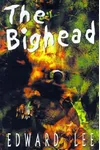
- The Backwoods Splatterpunk Gateway: The Bighead (1997) is Lee's signature work. Set in the fictional, rural town of Luntville, West Virginia, it introduces his trademark mixture of visceral local lore, grotesque monsters, and ancient cosmic forces. It is the ideal entry point if you want to understand Lee's reputation in extreme horror.
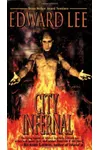
- The Supernatural/Urban Hell Gateway: City Infernal (2001) offers a highly imaginative, dark fantasy-horror take on Hell, reimagining the underworld as a vast, modern, bureaucratic metropolis. It is slightly more structured and less transgressive than his backwoods horror, making it a great alternative starting point.
The Luntville & Bighead Universe Reading Order
Many of Edward Lee's books are set in or around the fictional area of Luntville, West Virginia. Over the decades, Lee has connected these stories through recurring characters, locations, and ancient entities. While many of these books can technically be read as standalones, they culminate in the epic White Trash Gothic trilogy. To get the most out of the crossovers and references, fans recommend this specific reading path:
- The Bighead (1997): Start here. This novel establishes the core lore of the Luntville universe, the nature of the monstrosity, and the local backwoods atmosphere.
- The Minotauress (2007): A prequel to The Bighead. Although it takes place chronologically beforehand, it is best read second. It details the backstories of key characters like Dicky Caudill and Tritt "Balls" Conner, which are much more rewarding if you already know their fates.
- Horn-Cranker (2024): A deep prequel novella (originally published alongside some editions of The Minotauress) that adds further historical context to the Luntville mythos.
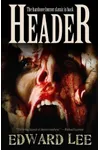
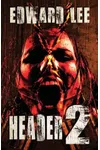
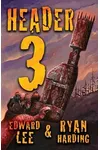
- The Header Series: This series focuses on a bizarre, violent backwoods practice in West Virginia. The characters and concepts from these books crossover directly into the later trilogy. Read them in publication order: Header (1995), Header 2 (2010), and Header 3 (2016).
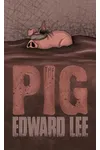
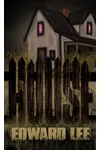
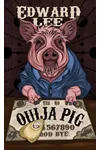
- The Pig Series: A trilogy of bizarre stories that tie into the rural mythology. Read them in order: The Pig (1997), The House (2005), and Ouija Pig (2022).
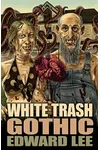
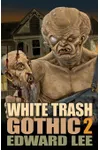
- White Trash Gothic Trilogy: This trilogy is the ultimate crossover event for Lee's Luntville universe, bringing together characters from The Bighead, Header, and The Pig. Read these in strict order: White Trash Gothic (2017), White Trash Gothic Part Two (2019), and White Trash Gothic 3 (2022 - sometimes cataloged as White Trash Gothic 2 in publishing records due to reprint grouping).
The City Infernal Series
If you prefer cosmic horror and urban dark fantasy, the City Infernal series is Edward Lee's other major contribution to the genre. It depicts a bureaucratic, sprawling metropolitan Hell complete with subways, high-rises, and corporate structures, inhabited by demons and lost souls. The series should be read in publication order:
- City Infernal (2001)
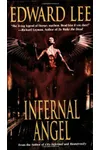
- Infernal Angel (2003)
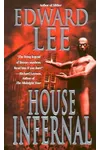
- House Infernal (2007)
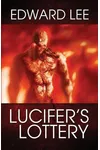
- Lucifer's Lottery (2010)
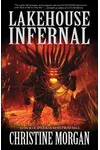
- Lakehouse Infernal (2019): Note that this fifth installment was written by author Christine Morgan set within the universe Lee created, published with his full blessing and involvement.
Notable Standalones & Collaborations
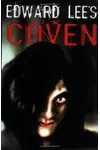
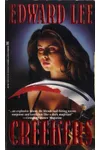
Beyond his main series, Edward Lee has written numerous standalone horror novels that showcase his versatility within the extreme horror space. If you want to sample his standalones, look for Creekers (1994), which is a classic backwoods cult tale, or Coven (1991), an occult-driven supernatural thriller.
Lee is also famous for his collaborative works with other icons of the genre. Two of his most notable collaborations are:
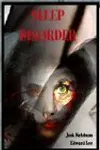
- Sleep Disorder (2003): A collaborative collection of stories written alongside the legendary Jack Ketchum, featuring shared drafts and joint stories.
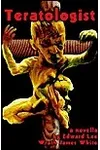
- The Teratologist (2003): Co-authored with Wrath James White, this is one of the most notorious and polarizing novellas in modern extreme horror, focusing on a billionaire's extreme attempts to force a confrontation with God.
What to Know Before You Start
When diving into Edward Lee's bibliographical universe, keep in mind that he does not prioritize rigid, flawless chronological continuity. The geography of Luntville and the specific timeline of events can vary slightly between books. Lee prioritizes transgressive dark humor, shocking horror set-pieces, and cosmic atmosphere over maintaining a strict lore database. Treat the connections as fun easter eggs rather than a puzzle that must fit together perfectly.