


The Clara Gamadge Reading Order: Where to Start
Eleanor Boylan’s mystery writing is intrinsically tied to the legacy of her aunt, Golden Age mystery writer Elizabeth Daly. If you are looking to dive into the world of Clara Gamadge—a warm, sharp-witted grandmotherly detective who steps into amateur sleuthing later in life—you have two main reading paths to choose from.
Path 1: The Clara-First Cozy Path (Recommended)
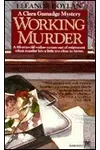
If you prefer to get straight to Eleanor Boylan's own books, the best approach is to read the Clara Gamadge series in publication order starting with Working Murder. Although Clara's character and her extended family are inherited from her aunt's novels, Boylan does an excellent job of establishing the backstory, introducing the recurring family members (like cousin Sadd), and explaining Clara’s status as the widow of the famous sleuth Henry Gamadge. You won't feel lost starting here, and it allows you to experience Boylan's distinct, cozy, and dialogue-driven voice from the very beginning.
Path 2: The Complete Gamadge Legacy Path
For readers who appreciate deep continuity, the absolute complete journey begins with Elizabeth Daly’s 16-book Henry Gamadge series (published between 1940 and 1951). In Daly's books, Henry is a sophisticated rare-book expert and sleuth, and Clara is introduced and featured as his supportive wife. Reading Daly's series first provides a rich foundation for the characters, family dynamics, and New York old-money settings before transitioning to Eleanor Boylan's continuation series, where a widowed Clara takes center stage in a contemporary, late-20th-century environment.
The Clara Gamadge Mysteries in Publication Order
Eleanor Boylan wrote five novels featuring Clara Gamadge. Because the characters age and their relationships evolve, it is highly recommended to read them in the order they were published:
- Working Murder (1989): The series opener introduces sixty-eight-year-old Clara Gamadge, a widow living on Anna Maria Island in Florida. She is drawn back to New York by her elderly aunt to investigate the fifty-year-old disappearance of her aunt’s daughter. This debut successfully transitions Clara from a supporting wife in Elizabeth Daly's novels into a formidable, independent lead detective.
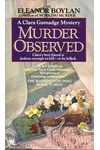
- Murder Observed (1990): When Clara's lifelong friend Anna Pitman dies in what appears to be a tragic accident—slipped on a rainy street and hit by a car—Clara refuses to accept the official ruling. Spurred by Anna's final, anxious confidences about the driver, Dollfuss Miltke, Clara embarks on an investigation that uncovers a web of hidden identities and past secrets.
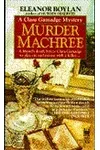
- Murder Machree (1992): Moving from Cape Cod to Dublin, Ireland, this mystery begins when a childhood acquaintance approaches Clara, claiming to foresee his own murder and raising doubts about his sister's true identity. The investigation takes Clara abroad, dealing with family greed, impersonation, and a suspicious death at a hotel pool.
- Pushing Murder (1993): The action begins during the festive Christmas season in Greenwich Village at the opening of a friend's new mystery bookstore, aptly named "Pushing Murder." After eating an arsenic-laced appetizer, Clara is hospitalized. When a second attempt is made on her life while she is recuperating, Clara directs her family and her grumpy cousin Sadd to investigate extortion and decades-old deceptions from her hospital bed.
- Murder Crossed (1996): In the final book of the series, Clara returns to Woolcott Academy, her former school near Boston, to support the headmistress. Trouble arrives in the form of fading actress Margo Llewelyn, who leaves her three daughters at the school during a London theater trip. When a body is found stabbed to death on the school grounds, Clara must navigate ex-husbands, lawyers, and a fanatical secretary to solve the crime.
Chronology and Continuity Caveats
While the Clara Gamadge series flows in a straightforward chronological timeline, readers should keep a few details in mind regarding continuity. Elizabeth Daly's original series took place in the mid-20th century (the 1940s and 1950s). When Eleanor Boylan picked up the mantle in 1989, she shifted the setting to a contemporary late-1980s and 1990s world. Because of this, Clara is depicted as a contemporary senior citizen, despite the decades that have passed since Henry's era. The transition is handled smoothly, treating Clara's detective work as a natural modern extension of the classic puzzle-mystery tradition.
The Puppeteer’s Touch: Eleanor Boylan's Other Works
Outside of crime fiction, Eleanor Boylan was a highly accomplished professional puppeteer. She wrote two notable books on the subject that showcase her deep love for the performing arts:
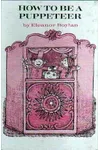
- How to Be a Puppeteer (1970; reissued in 1994): Illustrated by the beloved Tomie dePaola, this practical, friendly guide teaches children and educators the fundamentals of puppet production, from scriptwriting and voice coordination to stage design and hand movements.
- Plays for Puppets and People (1975): A collection of theatrical plays and performance activities designed to be enjoyed by both live actors and puppet characters alike.
For mystery fans, understanding Boylan's theatrical background adds extra flavor to her novels. Critics frequently note that her puppeteering experience shines through in her mystery writing, resulting in exceptionally crisp dialogue, tight scene-setting, and characters that interact with playful, stage-like theatricality.
What to Know Before You Start
Before diving in, readers should know that Eleanor Boylan's novels are classic, gentle cozy mysteries. You will not find graphic violence or gritty procedural work here. Instead, the focus is on family secrets, old-money scandals, dialogue-driven deduction, and a charming protagonist who utilizes her network of friends and family to solve crimes. It is a perfect fit for fans of Agatha Christie's Miss Marple or those who love traditional, intellectual puzzles with a warm, grandmotherly touch.