
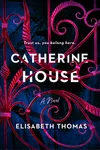
The Recommended Starting Point
Since Elisabeth Thomas is currently the author of a singular, highly acclaimed standalone novel, your reading path is refreshingly straightforward: you should start directly with Catherine House (published on May 12, 2020, by Custom House/HarperCollins). There are no prequels, spin-offs, or confusing timeline shifts to navigate, making it a perfect one-sitting plunge into modern gothic horror.
Understanding the Structure of Catherine House
To fully appreciate the book, it helps to understand how Thomas structures the narrative. The story follows protagonist Ines Murillo through her three-year residency at Catherine House, an elite, fully sequestered school in Pennsylvania. The novel is divided into parts that align with her progression through the school's rigorous and isolating academic years:
- First Year: Focuses on Ines’s arrival, her resistance to the school’s strict culture, and her initial introduction to the school’s strange customs, including the complete surrender of all personal belongings and contact with the outside world.
- Second Year: Delves deeper into the academic curriculum, particularly the mysterious scientific concentration known as "new materials" (plasmids), and the growing psychological hold the school has on its students.
- Third Year and Beyond: Explores the dark climax of the house’s experimental science and Ines's ultimate choices regarding her future within the house's walls.
For audiobook listeners, the novel is narrated by Inés del Castillo, whose performance captures the dreamy, slow-burn, and claustrophobic atmosphere of the prose.
Key Reading Caveats: What to Know Before You Start
Before you dive in, it is important to manage your expectations regarding the book's pacing and genre. Readers often debate the book’s style because it deviates from standard thriller structures:
Atmosphere Over Action: The novel relies heavily on sensory details, descriptions of food, architecture, and the psychological state of isolation. If you expect a fast-paced science-fiction thriller, you might find the slow-burn pacing unexpected. Think of it as a character study of institutional capture first, and a mystery second.
Ambiguity: The ending of the book leaves several details about the exact nature of the "new materials" and the fate of certain characters open to interpretation. Rather than providing neat resolutions, Thomas emphasizes the emotional and psychological transformation of Ines.
Where to Go Next: Gothic & Dark Academia Companions
Once you finish Catherine House, you may want to continue exploring similar atmospheric vibes. Since there is no sequel, we recommend moving on to these companion read-alikes that share its unique tone:
- Never Let Me Go by Kazuo Ishiguro: A primary influence for readers who enjoyed the speculative, slow-burn mystery of an institution that hides a dark scientific purpose.
- The Secret History by Donna Tartt: The gold standard of dark academia, perfect if you loved the elite, secretive, and obsessive student group dynamics in Catherine House.
- Bunny by Mona Awad: A great next step if you want a more surreal, satirical, and intense look at elite academic cliques and experimental creative processes.
- We Have Always Lived in the Castle by Shirley Jackson: Excellent for readers who appreciate the classic, claustrophobic gothic atmosphere where the physical house itself acts as a main character.