












How to Read Elizabeth Peters: The Recommended Starting Path
If you are new to the brilliant, witty world of Elizabeth Peters (the pen name of Egyptologist Dr. Barbara Mertz), your absolute best starting point is Crocodile on the Sandbank (1975). This novel introduces the iconic, parasol-wielding Victorian Egyptologist Amelia Peabody and her irascible but devoted husband, Radcliffe Emerson. It is the perfect entry point for her most famous and longest-running series, establishing the family’s archaeology adventures and signature banter.
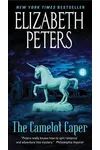
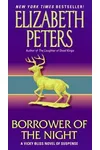
However, if you prefer contemporary art history mysteries with a dash of romantic suspense and international travel, you should start with the Vicky Bliss series. The first official book featuring Vicky is Borrower of the Night (1973), though you can also opt to start with the prequel The Camelot Caper (1969), which introduces a recurring love interest before Vicky enters the scene.
The Pen Names of Barbara Mertz
To navigate this bibliography, it helps to understand that the author wrote under three distinct names, each representing a different style and tone:
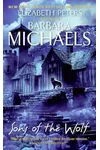
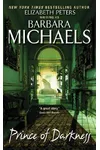
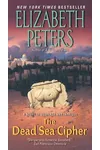
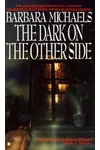
- Elizabeth Peters: Reserved for lighthearted, humorous, and adventure-filled mystery series, including the Amelia Peabody, Vicky Bliss, and Jacqueline Kirby books.
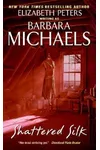
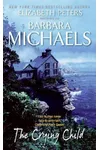
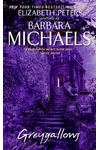
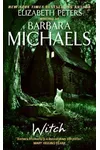
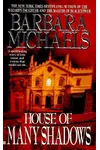
- Barbara Michaels: Used for her darker Gothic thrillers and romantic suspense novels, such as the Georgetown Trilogy (Ammie, Come Home) and the Grayhaven Manor companion novels (Someone in the House and Black Rainbow).
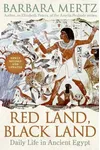
- Barbara Mertz: Her real name, under which she published celebrated, highly readable non-fiction accounts of ancient Egyptian life.
The Amelia Peabody Series: Publication vs. Chronological Order
The Amelia Peabody series spans 20 novels covering the lives of the Emerson-Peabody family from 1884 to 1923. Because Peters wrote several "fill-in" novels later in her career, readers face a choice between two distinct reading paths. While publication order lets you see the author’s style evolve, chronological order is highly recommended by seasoned fans to preserve the narrative timeline and character relationships.
The Chronological Timeline
Here is how the novels fit together chronologically, including the setting years and crucial placement shifts:
- Crocodile on the Sandbank (1975) — Set in 1884–1885. The meeting of Amelia Peabody and Radcliffe Emerson.
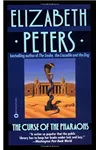
- The Curse of the Pharaohs (1981) — Set in 1892–1893.
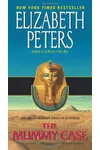
- The Mummy Case (1985) — Set in 1894–1895. Introduces their brilliant, precocious son, Ramses.
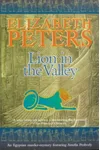
- Lion in the Valley (1986) — Set in 1895–1896.
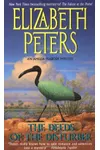
- The Deeds of the Disturber (1988) — Set in 1896. A rare adventure set in Victorian London.
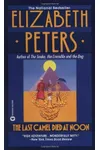
- The Last Camel Died at Noon (1991) — Set in 1897–1898. A lost-civilization adventure in the Sudan.
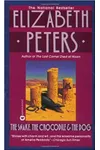
- The Snake, the Crocodile and the Dog (1992) — Set in 1898–1899.
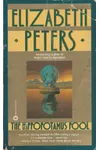
- The Hippopotamus Pool (1996) — Set in 1899–1900.
- Seeing a Large Cat (1997) — Set in 1903–1904.
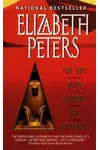
- The Ape Who Guards the Balance (1998) — Set in 1906–1907.
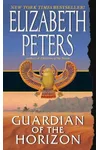
- Guardian of the Horizon (2004) — Set in 1907–1908. Chronological Shift: Published 16th, but takes place immediately after The Ape Who Guards the Balance.
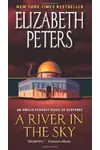
- A River in the Sky (2010) — Set in 1910. Chronological Shift: Published 19th, but slots in here before the outbreak of conflicts in the next books.
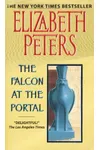
- The Falcon at the Portal (1999) — Set in 1911–1912.
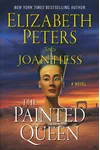
- The Painted Queen (2017) — Set in 1912–1913. Chronological Shift: Left unfinished at Mertz's death in 2013 and completed by Joan Hess; it bridges the gap before World War I.
- He Shall Thunder in the Sky (2000) — Set in 1914–1915. World War I arrives in Egypt.
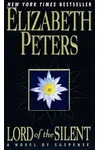
- Lord of the Silent (2001) — Set in 1915–1916.
- The Golden One (2002) — Set in 1917.
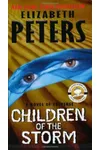
- Children of the Storm (2003) — Set in 1919–1920. Post-war complications and family mysteries.
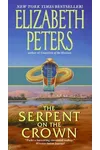
- The Serpent on the Crown (2005) — Set in 1922.
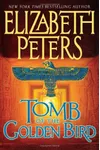
- Tomb of the Golden Bird (2006) — Set in 1922–1923. Centered around the historic discovery of Tutankhamun's tomb.
Key Chronological Caveats
If you read in publication order, you will experience jarring jumps in the family's history. For example, Guardian of the Horizon returns to a period where the Emerson children are teenagers, despite the fact that previous books had already progressed the timeline past World War I. Reading chronologically avoids this timeline whiplash. However, readers should note that The Painted Queen, completed posthumously by Joan Hess, has a slightly different narrative voice, but remains essential to bridging the pre-war timeline.
The Vicky Bliss Art History Mysteries
The Vicky Bliss series follows a bold American art historian who works in Munich, Germany, and repeatedly finds herself embroiled in museum thefts, international crimes, and romantic chases across Europe. This series is best read in publication order, but it features a major connection to the Amelia Peabody universe that fans should watch out for:
- The Camelot Caper (1969) — Optional Prequel: A standalone romance introducing John Tregarth.
- Borrower of the Night (1973) — Vicky’s debut, investigating a mysterious shrine in a German castle.
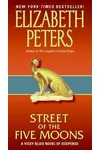
- Street of the Five Moons (1978) — Vicky meets the charming art thief Sir John Smythe (formerly John Tregarth).
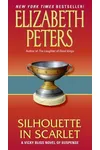
- Silhouette in Scarlet (1983)
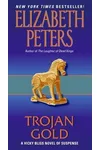
- Trojan Gold (1987)
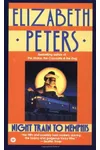
- Night Train to Memphis (1994) — Set in Egypt, echoing Peters’s deep Egyptology roots.
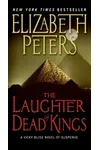
- The Laughter of Dead Kings (2008) — The final novel.
The Crossover Easter Egg
While Vicky Bliss and Amelia Peabody live in different eras, Peters tied the two series together in The Laughter of Dead Kings. In this final caper, it is revealed that John Tregarth (Sir John Smythe) is a direct descendant of the Peabody-Emerson family. This revelation adds a beautiful layer of continuity across Peters's entire literary universe.
The Jacqueline Kirby Mysteries
A smaller but highly entertaining series, the Jacqueline Kirby books follow an American librarian who transitioned into a bestselling romance novelist. Unlike the linear development of the Peabody novels, these four mysteries act largely as standalones and showcase Peters’s sharp satire of academic life and the publishing industry:
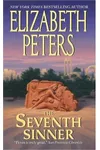
- The Seventh Sinner (1972) — Set in Rome. Interestingly, this book is told from the perspective of another character, introducing Jacqueline as an enigmatic, brilliant outsider.
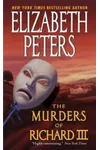
- The Murders of Richard III (1974) — A witty locked-room style mystery set during a gathering of Richard III enthusiasts.
- Die for Love (1984) — A sharp satire set at a historical romance writers' convention.
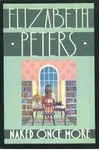
- Naked Once More (1989) — Jacqueline is hired to write a sequel to a bestselling author's book after the author mysteriously disappears.
What to Know Before You Start
Before diving into Elizabeth Peters's catalog, keep these tips in mind to maximize your reading enjoyment:
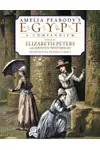
- The Egyptology Connection: Barbara Mertz earned her PhD in Egyptology in 1952. Her academic expertise shines through in both her fiction and non-fiction. Read her non-fiction work Amelia Peabody's Egypt (2003) alongside the series for real-world archaeological context.
- Audiobook Excellence: The Amelia Peabody audiobooks, narrated by the legendary Barbara Rosenblat, are highly celebrated by fans. Rosenblat’s distinct voices for Amelia and Emerson are considered by many to be the definitive way to experience the books.
- Standalone Gems: Under both Elizabeth Peters and Barbara Michaels, Mertz wrote dozens of standalone romantic suspense novels. If you want a quick break from series commitments, standalones like The Jackal's Head (1968) or Michaels's Ammie, Come Home (1968) offer excellent self-contained mysteries.