

































Where to Start Reading Ellery Queen
Ellery Queen—the pseudonym of cousins Frederic Dannay and Manfred B. Lee, as well as the name of their fictional detective—pioneered the American 'fair-play' mystery. Because the series spans over forty years, the character, tone, and style evolved dramatically. Depending on what style of mystery you prefer, there are two ideal entry points:
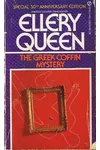
- For Golden Age Puzzle Lovers: Start at the very beginning with The Roman Hat Mystery (1929) or jump to the highly acclaimed The Greek Coffin Mystery (1932). These books represent the peak of complex, deductive logic where you are given all the clues needed to solve the case.
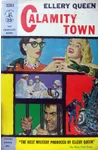
- For Psychological Mystery Fans: Start with Calamity Town (1942). This novel marks the beginning of the authors' mature period, shifting away from dry intellectual puzzles to deep, character-driven stories set in the fictional town of Wrightsville.
The Four Periods of Ellery Queen
Scholars and fans divide the main Ellery Queen detective novels into four distinct eras. Understanding these periods will help you navigate the shifts in tone and decide which era matches your reading preferences.
Period 1: The Golden Age Logic Puzzles (1929–1935)
In this early era, Ellery Queen is an analytical, slightly snobbish intellectual who wears a pince-nez and solves incredibly complex crimes alongside his father, Inspector Richard Queen of the NYPD. These novels feature the famous 'Challenge to the Reader'—a page inserted near the end of the book where the authors state that you have observed all the clues and should be able to deduce the murderer. Key works from this era include:
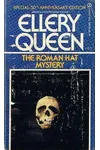
- The Roman Hat Mystery (1929)
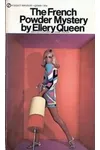
- The French Powder Mystery (1930)
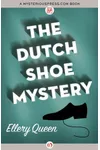
- The Dutch Shoe Mystery (1931)
- The Greek Coffin Mystery (1932)
- The Egyptian Cross Mystery (1932)
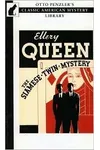
- The Siamese Twin Mystery (1933)
- The Chinese Orange Mystery (1934)
- The Spanish Cape Mystery (1935)
Period 2: Lighter Plots and Hollywood (1936–1940)
During this transitional phase, the cousins attempted to make the character of Ellery more human, less pedantic, and more appealing to mainstream audiences. The plots became lighter, the 'Challenge to the Reader' was dropped, and Ellery even spent time working as a scriptwriter in Hollywood. While less celebrated than the first and third periods, these books are fast-paced and entertaining. Key titles include:
- Halfway House (1936)
- The Door Between (1936)
- The Four of Hearts (1938)
- The Devil to Pay (1938)
- The Dragon's Teeth (1939)
Period 3: The Wrightsville Cycle & Psychological Depth (1942–1958)
Many critics view this as the pinnacle of the Ellery Queen bibliography. The puzzles remain fair and clever, but they are now grounded in emotional realism, psychological depth, and small-town secrets. The recurring setting of Wrightsville, New England, serves as a dark backdrop where Ellery confronts the human tragedy of crime rather than just treating it as a mathematical equation. Key works in this period include:
- Calamity Town (1942)
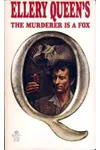
- The Murderer is a Fox (1945)
- Ten Days' Wonder (1948)
- Cat of Many Tails (1949)
- Double, Double (1950)
- The Origin of Evil (1951)
- The King is Dead (1952)
- The Finishing Stroke (1958)
Period 4: Outlines and Ghostwriters (1963–1971)
In their final active decade, Frederic Dannay suffered from writer's block and Manfred Lee struggled with failing health. To keep producing books, they relied on outlines written by Dannay which were then fleshed out by prominent guest writers. Despite this collaboration, books like The Player on the Other Side (ghostwritten by science fiction legend Theodore Sturgeon) and And on the Eighth Day (ghostwritten by Avram Davidson) are highly regarded and capture the signature Queen style. The final novel written by the partners was A Fine and Private Place (1971).
The Drury Lane Mysteries (Barnaby Ross)
In the early 1930s, Dannay and Lee created a second pseudonym, Barnaby Ross, to write a separate series about Drury Lane, a retired, deaf Shakespearean actor who assists the police in solving highly theatrical murders. To drum up publicity, the cousins wore masks to public debates, playing the roles of Ellery Queen and Barnaby Ross competing against each other. The Drury Lane books were eventually republished under the Ellery Queen name and are best read in publication order:
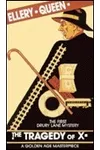
- The Tragedy of X (1932)
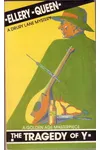
- The Tragedy of Y (1932)
- The Tragedy of Z (1933)
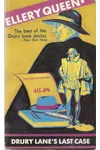
- Drury Lane's Last Case (1933)
Of these, The Tragedy of Y is widely considered a masterpiece of Golden Age detective fiction and is a must-read for any mystery fan.
The Ghostwritten House Name Paperbacks
In the 1960s, the name 'Ellery Queen' became a lucrative brand name. A massive series of standalone paperback thrillers was published under the name to provide the authors with royalty income, but these books do not feature the character of Ellery Queen. Instead, they were completely written by other authors (such as Jack Vance, Gil Brewer, and Talmage Powell) with minimal or no involvement from Dannay and Lee. This includes the Mike McCall political troubleshooter series and the Captain Tim Corrigan NYPD series. While of historical interest to completionists, they are separate from the main Ellery Queen detective canon.
Practical Reading Advice
Do you need to read Ellery Queen in chronological order? For the first two periods, the novels are highly episodic and can easily be enjoyed as standalones. However, when you enter the Wrightsville cycle (Period 3), it is highly recommended to read the books in publication order. The town changes, characters age, and Ellery's psychological growth and subsequent trauma carry over from one book to the next—most notably from Calamity Town to The Murderer is a Fox and Ten Days' Wonder.