














































Where to Begin Your Émile Zola Journey
For readers looking to dive into the raw, naturalist world of Émile Zola, the sheer volume of his work can be intimidating. The most common entry point is his famous 20-novel cycle, Les Rougon-Macquart. While Zola designed almost all of these novels to function as self-contained stories, starting at the absolute beginning or jumping into his most famous masterpieces are both highly recommended paths.
The Best Starting Points for Beginners
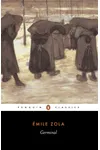
- Germinal (1885): Widely considered Zola's masterpiece, this raw and powerful novel about a coal miners' strike in northern France is the ultimate representation of his naturalist style. It is gripping, politically charged, and requires no prior knowledge of the family tree.
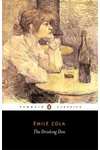
- L'Assommoir / The Drinking Den (1877): A tragic, unflinching study of alcoholism and poverty in working-class Paris. It was Zola's first major commercial success and provides a perfect introduction to his style before reading its sequel/spin-off, Nana.
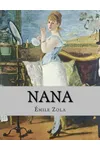
- Nana (1880): This novel follows the life of a high-class courtesan who rises from the Parisian slums to ruin the elite of the Second Empire. It is fast-paced, scandalous, and remains one of Zola's most famous works.
- Thérèse Raquin (1867): If you want a shorter, highly psychological thriller before tackling the main 20-book cycle, start here. Written before the Rougon-Macquart series, it is a dark tale of passion, murder, and intense psychological guilt.
The Rougon-Macquart Cycle: Publication vs. Chronological Order
The Rougon-Macquart cycle traces the lives of two branches of a single family under the Second French Empire (1852–1870). Zola used this family tree to scientifically observe how heredity and environment shape human behavior across different social classes. If you are committed to reading all 20 books, you have two primary options for your reading sequence.
Option 1: The Original Publication Order
Reading the books in the order they were published allows you to experience Zola's evolution as a writer and researcher. The publication order is as follows:
- The Fortune of the Rougons (1870)
- The Kill / The Rush for the Spoil (1872)
- The Belly of Paris / The Fat and the Thin (1873)
- The Conquest of Plassans (1874)
- The Sin of Father Mouret / Abbe Mouret's Transgression (1875)
- His Excellency Eugene Rougon (1876)
- The Drinking Den / L'Assommoir (1877)
- A Love Episode / A Page of Love (1877)
- Nana (1880)
- Restless House / Pot Luck (1882)
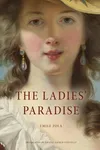
- The Ladies' Paradise (1883)
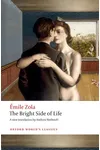
- The Bright Side of Life / Zest for Life (1883)
- Germinal (1885)
- The Masterpiece / His Masterpiece (1886)
- The Soil / Earth (1887)
- The Dream (1888)
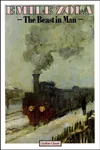
- The Beast in Man / The Beast Within (1890)
- Money (1891)
- The Downfall / The Debacle (1892)
- Doctor Pascal (1893)
Option 2: The "Vizetelly" / Zola Recommended Order
Ernest Alfred Vizetelly, Zola's English publisher and translator, suggested an alternative sequence that Zola allegedly endorsed in his final years. This order groups the novels by theme and family lineage rather than the years they were written. While the internal timeline has considerable overlap, this recommended sequence provides a smoother thematic flow:
- The Fortune of the Rougons (Introduces the family origins in Plassans)
- His Excellency Eugene Rougon (Focuses on high-level politics)
- The Kill (Deals with property speculation and Parisian wealth)
- Money (Exposes the stock market and financial corruption)
- The Dream (A unique, mystical story focusing on religious faith)
- The Conquest of Plassans (Explores provincial politics and religious intrigue)
- Restless House / Pot-Bouille (An indictment of middle-class hypocrisy)
- The Ladies' Paradise (A sequel to Restless House, showing the rise of department stores)
- The Sin of Father Mouret (Deals with a priest's temptation and isolation)
- A Page of Love (A quiet, domestic psychological drama)
- The Belly of Paris (Set around the bustling markets of Les Halles)
- The Bright Side of Life / Zest for Life (A melancholic look at resilience and suffering)
- The Drinking Den / L'Assommoir (The downfall of Gervaise Macquart)
- The Masterpiece (Explores the struggles of a naturalist painter)
- The Beast in Man / The Beast Within (A thriller focusing on murder and the early railways)
- Germinal (The epic story of coal miners and class war)
- Nana (Gervaise's daughter rises to become a destructive courtesan)
- The Soil / Earth (A brutal look at peasant life and greed)
- The Downfall / The Debacle (The military collapse of the Second Empire)
- Doctor Pascal (The scientific summation and epilogue of the family saga)
Other Major Cycles and Series
Beyond his 20-volume epic, Zola also wrote two other distinct cycles in his later years that carried his ideological, social, and philosophical views even further.
The Three Cities Trilogy (Les Trois Villes)
This trilogy follows a disillusioned Catholic priest, Abbé Pierre Froment, as he travels seeking truth, spiritual rejuvenation, and social reform. Historically, these books were published in the sequence of Lourdes (1894), Rome (1896), and Paris (1898). However, readers should note that local publication dates often reflect English translations or subsequent releases (such as Lourdes in 1914 and Paris in 2014). Reading them in the original order of Lourdes, Rome, and then Paris is essential to follow the protagonist's intellectual journey.
Four Social Romances (Les Quatre Évangiles)
Conceived as a utopian sequel of sorts to his previous work, this cycle was intended to outline Zola's vision for a reformed society. The books are:
- Fruitfulness (1899): Focusing on demographic growth, family, and home life.
- Work (1901): Outlining industrial cooperation and the division of labor.
- Truth (1903): A novel deeply influenced by the Dreyfus Affair, focusing on education and justice (published posthumously).
- Justice: Unfinished at the time of Zola's sudden death in 1902.
What to Know Before You Start
Zola was the pioneer of **Naturalism**, a literary movement that sought to apply scientific observation and clinical detail to literature. Expect gritty environments, tragic situations, and strong social commentary. Because of this, his books were frequently censored or controversial in their time.
A common point of confusion is the title translations. Many of Zola's books have been published under multiple English titles. For example, L'Assommoir is variously known as The Dram Shop, The Drinking Den, or The Gin Palace. Similarly, Pot-Bouille is translated as Restless House or Pot Luck. Always double-check the French title if you are unsure if you have the correct book.
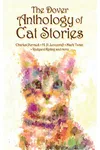
Lastly, readers should note that modern anthologies like the "Year of the Cat" series (e.g. A Cat of a Different Color) are multi-author collections that include Zola's famous 1864 short story, "The Paradise of Cats" (Le Paradis des chats). These are not novel series written by Zola himself.