



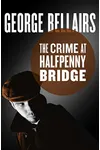


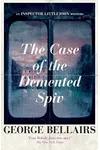
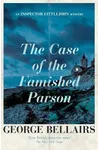

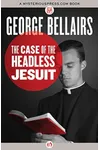
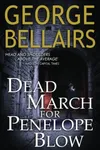
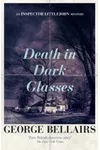
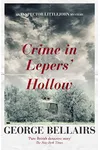


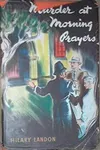










Picture a British storyteller who spun wickedly clever mysteries in quaint villages—meet George Bellairs! Born Harold Blundell, this 20th-century novelist swapped bank ledgers for suspense, crafting over 50 novels under his pseudonym. His Chief Inspector Littlejohn series, with its intricate plots and cozy settings, earned him the nickname 'English Simenon,' delighting mystery fans worldwide.
From his first novel in 1941 to his final work in 1980, Bellairs wove tales that blended Golden Age detective charm with gritty police procedurals. Let’s dive into the life, works, and lasting allure of this prolific crime writer!
The Making of George Bellairs
Harold Blundell was born on April 19, 1902, in Heywood, Lancashire, England. Starting as a bank clerk at age 15, he climbed to bank manager in Manchester, a role far removed from the shadowy crimes he’d later pen. A Francophile with a love for history and folklore, Bellairs found his creative spark during World War II. While serving as an air raid warden, he scribbled his debut mystery, Littlejohn on Leave, in stolen moments. After marrying Gladys Mabel Roberts in 1930 and retiring, he moved to the Isle of Man, where its rugged landscapes inspired many of his stories.
George Bellairs’s Unforgettable Stories
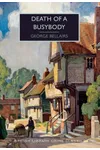
Bellairs’s novels are a masterclass in classic British crime fiction, starring the shrewd yet charming Chief Inspector Thomas Littlejohn. His debut, Littlejohn on Leave (1941), introduced Littlejohn as a detective tackling murder in a small village, setting the tone for over 50 books. Death of a Busybody (1942) is a fan favorite, with its nosy victim drowned in a cesspool, unraveling village secrets through Littlejohn’s wit. A Knife for Harry Dodd (1953) dives into jealousy and greed, showcasing Bellairs’s knack for tangled motives. Later works like The Night They Killed Joss Varran (1971) reflect his shift toward darker, character-driven tales.
His style evokes the Golden Age of detective fiction, with meticulous plots and vivid settings—think sleepy English hamlets, the misty Isle of Man, or sunny French provinces. Bellairs’s love for travel shines through, as Littlejohn often solves crimes on unofficial jaunts. His humor and compassion, paired with gothic undertones, make each mystery a cozy yet thrilling ride.
Why George Bellairs Matters
Bellairs’s impact lies in his ability to craft timeless whodunits that balance intricate puzzles with human drama. Praised by The New York Times as a 'subtle and witty' practitioner of British detective stories, he captured the quirks of small communities with a keen eye. Though his fame waned after his death in 1982, recent reprints by the British Library Crime Classics have sparked renewed interest. His novels remain a bridge to the Golden Age, offering modern readers a nostalgic escape into clever crime-solving.
His philanthropy and journalism, including columns for the Manchester Guardian, also left a mark. Honored with an honorary master’s degree from the University of Manchester in 1959, Bellairs’s legacy endures in his stories and charitable spirit.
- Born: April 19, 1902, Heywood, Lancashire
- Key Works: Littlejohn on Leave, Death of a Busybody, A Knife for Harry Dodd
- Awards: Honorary Master’s, University of Manchester (1959)
- Pseudonyms: George Bellairs, Hilary Landon
Snag Death of a Busybody and dive into George Bellairs’s clever, cozy mysteries—perfect for a rainy night’s read!