










Picture a wild-eyed American journalist tearing through the desert in a red convertible, typewriter in tow, chasing truth with a cocktail of chaos and brilliance—meet Hunter S. Thompson! Known as the father of Gonzo journalism, Thompson didn’t just report stories; he lived them, blending fact, fiction, and a healthy dose of rebellion. His electrifying prose and unapologetic critiques of society made him a countercultural legend.
The Making of Hunter S. Thompson
Born on July 18, 1937, in Louisville, Kentucky, Hunter Stockton Thompson grew up with a knack for trouble and a love for words. A rebellious teen, he was arrested for robbery but avoided jail by enlisting in the Air Force. There, he honed his writing as a sports editor for a base newspaper, developing a sharp, irreverent style. After a dishonorable discharge, Thompson bounced through journalism gigs, eventually landing in San Francisco during the 1960s counterculture explosion, where his unique voice began to take shape.
Hunter S. Thompson’s Unforgettable Stories
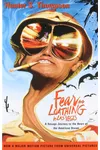
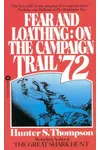
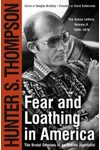
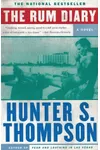
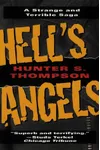
Thompson’s breakout came with Hell’s Angels: The Strange and Terrible Saga of the Outlaw Motorcycle Gangs (1966), a gritty, immersive exposé written after a year riding with the infamous biker gang. His Gonzo style—raw, subjective, and larger-than-life—crystallized in Fear and Loathing in Las Vegas (1971), a psychedelic odyssey of excess and disillusionment, co-starring his alter ego, Raoul Duke. Fear and Loathing on the Campaign Trail ’72 (1973) brought his chaotic lens to political reporting, capturing the Nixon era with biting wit. Later works like The Rum Diary (written in the late 1950s, published 1998) showcased his early, more restrained storytelling, still brimming with his trademark edge.
Thompson’s style was a literary Molotov cocktail: vivid, anarchic, and fiercely honest. He wove cultural critique with surreal humor, often blurring the line between reporter and protagonist. His themes—freedom, corruption, and the American Dream’s decay—resonated with a generation questioning authority. Whether chronicling drug-fueled escapades or political hypocrisy, Thompson’s work was as much performance art as journalism.
Why Hunter S. Thompson Matters
Hunter S. Thompson redefined journalism, proving it could be raw, personal, and unfiltered. His Gonzo approach inspired writers like Tom Wolfe and Joan Didion, and his fearless critiques of power influenced generations of journalists. Beyond literature, his larger-than-life persona—immortalized in films like Where the Buffalo Roam and Fear and Loathing in Las Vegas—cemented him as a cultural icon. Though his life ended tragically in 2005, Thompson’s legacy endures in every writer who dares to break the mold.
- About Hunter S. Thompson
- Born: July 18, 1937, Louisville, Kentucky
- Key Works: Hell’s Angels, Fear and Loathing in Las Vegas, Fear and Loathing on the Campaign Trail ’72
- Notable: Founded Gonzo journalism, blending fact and fiction
Ready to dive into the wild world of Hunter S. Thompson? Grab Fear and Loathing in Las Vegas and buckle up for a Gonzo ride!