
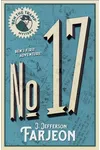
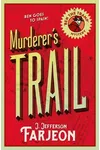
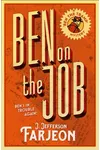
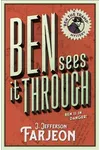
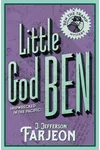
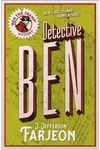
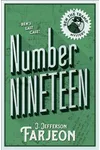









Picture an English storyteller who spun chilling mysteries with a dash of romance and a sprinkle of humor—meet Joseph Jefferson Farjeon! Born in 1883, this prolific crime novelist crafted over eighty novels, captivating readers with his sharp wit and eerie plots. His most famous creation, Ben the Tramp, became a beloved figure, and his play Number 17 even caught Alfred Hitchcock’s eye. Farjeon’s knack for blending genres made him a standout in the Golden Age of detective fiction.
Farjeon wasn’t just a writer; he was a literary adventurer, weaving tales that kept readers guessing until the final page. From snowbound mysteries to sinister country houses, his stories are as thrilling today as they were in his time. Let’s dive into the life and legacy of this unsung master of mystery.
The Making of Joseph Jefferson Farjeon
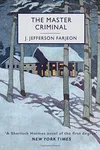
Born on June 4, 1883, in Hampstead, London, Joseph Jefferson Farjeon was destined for a literary life. His father, Benjamin Farjeon, was a well-known Victorian novelist, and his siblings—Eleanor, a children’s author, and Herbert, a playwright—also shone in the arts. Named after his grandfather, the American actor Joseph Jefferson, young Joseph grew up surrounded by creativity. Privately educated, he honed his skills at Peterborough Lodge before spending a decade at Amalgamated Press, editing and dreaming up stories. By 1924, he launched his writing career with The Master Criminal, a tale of two brothers—one a detective, the other a criminal—that showcased his storytelling flair.
Joseph Jefferson Farjeon’s Unforgettable Stories
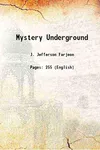
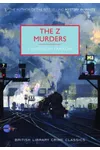
Farjeon’s crime novels were a delicious mix of suspense, romance, and humor, earning praise from Dorothy L. Sayers, who called him “unsurpassed for creepy skill in mysterious adventures.” His most iconic character, Ben the Tramp, a lovable Cockney ex-sailor, stumbled into mysteries with charm and grit. In No. 17 (1926), Ben uncovers a gang of villains in a deserted house, a story so gripping it inspired Hitchcock’s 1932 film. Mystery in White (1937), a Christmas tale of stranded train passengers and a haunted house, became a modern classic after its 2014 reissue. Thirteen Guests (1936) weaves a country-house murder with sharp social commentary, while The Z Murders (1932) follows a thrilling chase after a serial killer.
Farjeon’s style was distinctive: he blended taut, atmospheric prose with witty dialogue and a touch of the supernatural. His plots, often set in eerie locales like snowbound trains or foggy London streets, kept readers on edge. Unlike traditional whodunits, his stories leaned into thriller elements, making them unpredictable and endlessly entertaining.
Why Joseph Jefferson Farjeon Matters
Farjeon’s influence on detective fiction is undeniable. As one of the first to weave romance into crime stories, he paved the way for modern genre-blending. His Ben the Tramp series brought a fresh, working-class hero to the genre, resonating with readers across Britain and the U.S. His works, once forgotten, saw a revival in the 2010s, with reissues by the British Library and Collins Crime Club introducing new generations to his genius. Farjeon’s ability to craft suspense with heart ensures his stories remain timeless.
His legacy also lives on in adaptations. Number 17’s cinematic success and his screenwriting contributions, like The Ghost Camera (1933), highlight his versatility. Farjeon’s work reminds us that great storytelling transcends time, inviting readers to lose themselves in a good mystery.
- Born: June 4, 1883, Hampstead, London
- Key Works: No. 17, Mystery in White, Thirteen Guests, The Z Murders
- Notable Adaptation: Number 17, directed by Alfred Hitchcock (1932)
- Died: June 6, 1955, Sussex, England
Ready to get lost in a chilling tale? Snag Mystery in White and dive into Joseph Jefferson Farjeon’s thrilling world of crime and intrigue!