
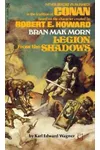
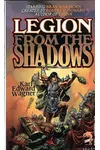
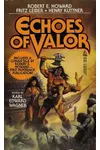
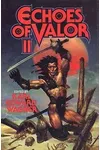
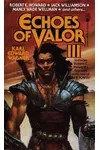
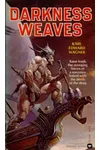

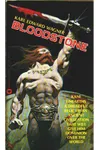
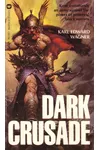
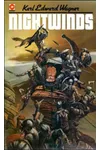
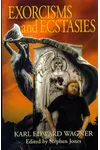
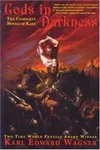
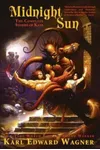











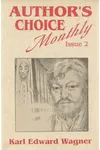


Picture a Knoxville-born storyteller who conjured an immortal swordsman and reshaped horror with a dark, philosophical edge—meet Karl Edward Wagner! A master of horror, fantasy, and science fiction, Wagner crafted unforgettable tales and edited genre-defining anthologies, leaving a legacy that still haunts readers today. His anti-hero Kane and chilling short stories are treasures waiting to be explored.
The Making of Karl Edward Wagner
Born on December 12, 1945, in Knoxville, Tennessee, Karl Edward Wagner was a curious mind drawn to the eerie and fantastical. Initially trained as a psychiatrist, he grew disillusioned with medicine, a theme that seeped into stories like 'The Fourth Seal.' Inspired by pulp legends like Robert E. Howard and H.P. Lovecraft, Wagner began writing in the 1970s, blending his love for dark fantasy with a gritty, nihilistic worldview. His early work caught the eye of publishers, launching a career that would redefine speculative fiction.
Karl Edward Wagner’s Unforgettable Stories
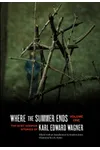
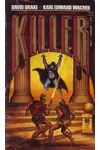
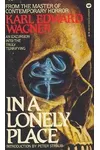
Wagner’s most iconic creation is Kane, the Mystic Swordsman, a cursed immortal inspired by the biblical Cain. Introduced in Darkness Weaves (1970), Kane is a brooding anti-hero whose adventures in Bloodstone (1975) and Dark Crusade (1976) mix sword-and-sorcery with existential dread. His short story 'Sticks,' inspired by Weird Tales artist Lee Brown Coye, won a British Fantasy Award and influenced works like The Blair Witch Project with its creepy twig-lattice imagery. Wagner’s horror tales, collected in In a Lonely Place (1983), explore isolation and lingering dread, showcasing his knack for blending psychological depth with supernatural chills. His style—dark, introspective, and richly atmospheric—set him apart in a genre often dominated by lighter fare.
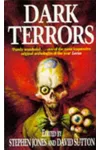
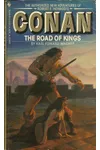
As an editor, Wagner’s impact was equally profound. He helmed The Year’s Best Horror Stories for DAW Books from 1980 to 1994, curating tales from Stephen King to Ramsey Campbell. His Carcosa press revived Golden Age pulp authors, and his three-volume set of Robert E. Howard’s Conan stories restored the barbarian’s original grit. Wagner’s work earned him World Fantasy and British Fantasy Awards, cementing his reputation as a genre titan.
Why Karl Edward Wagner Matters
Karl Edward Wagner’s influence ripples through modern horror and fantasy. His Kane series inspired countless anti-hero tales, while 'Sticks' left a visual mark on horror cinema. As an editor, he amplified voices that shaped the genre’s evolution. Despite his tragic death in 1994 from heart and liver failure, Wagner’s dark, philosophical lens continues to captivate readers and writers. His ability to weave dread with introspection makes him a must-read for fans of speculative fiction.
About Karl Edward Wagner
- Born: December 12, 1945, Knoxville, Tennessee
- Key Works: Darkness Weaves, Bloodstone, Sticks, In a Lonely Place
- Awards: World Fantasy Award (1983), British Fantasy Awards (1977, 1984)
- Died: October 14, 1994
Ready to dive into a world of dark fantasy and chilling horror? Grab In a Lonely Place or a Kane novel and discover Karl Edward Wagner’s haunting genius!