

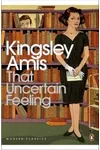

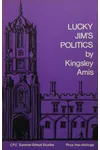


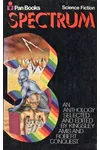
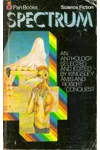
























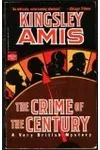









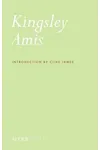
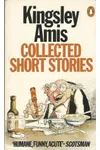




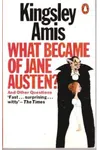















Picture a sharp-witted Englishman weaving tales of academic absurdity and social satire—meet Kingsley Amis! Born in 1922, Amis skyrocketed to fame with his hilarious debut, Lucky Jim, and became one of the 20th century’s finest comic novelists. With over 20 novels, sharp criticism, and a knack for capturing human folly, his legacy still tickles readers today.
Knighted in 1990 and ranked 9th on The Times list of greatest British writers since 1945, Amis’s blend of humor and insight makes him a literary gem. Ready to dive into his world of wit? Let’s explore the man behind the laughter.
The Making of Kingsley Amis
Kingsley Amis was born in Clapham, South London, to a clerk’s family, far from the literary elite. Educated at Oxford, where he befriended poet Philip Larkin, Amis honed his wit amid post-war Britain’s shifting social landscape. After serving in the Royal Corps of Signals during World War II, he taught at Swansea University, where his observations of academic life sparked Lucky Jim. This 1954 novel, born from his own experiences, launched his career with its biting humor and relatable underdog hero.
Kingsley Amis’s Unforgettable Stories
Amis’s debut, Lucky Jim, follows Jim Dixon, a bumbling lecturer navigating academic pretension with comedic flair. Its universal themes of frustration and rebellion resonated widely, cementing Amis’s reputation. He followed with Take a Girl Like You (1960), a witty exploration of love and morality, showcasing his knack for blending humor with deeper questions.
Later works like The Green Man (1969), a supernatural comedy, and The Old Devils (1986), which won the Booker Prize, revealed his versatility. Amis’s style—crisp, conversational, and laced with irony—targeted social norms, class, and human quirks. His novels often featured flawed, relatable characters, making readers laugh and think. Beyond novels, Amis wrote poetry, essays, and criticism, always with a sharp, accessible voice.
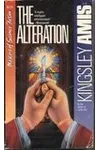
His genre experiments, from sci-fi in The Alteration (1976) to spy fiction in The Anti-Death League (1966), showed his restless creativity. Amis never shied from controversy, often critiquing societal shifts with a mischievous grin, earning both acclaim and debate.
Why Kingsley Amis Matters
Kingsley Amis reshaped British literature by making comedy a vehicle for profound social commentary. His influence endures in writers like Martin Amis, his son, and in the continued popularity of Lucky Jim. Amis’s ability to blend humor with truth speaks to readers navigating their own absurdities. His work remains a masterclass in wit, proving laughter can cut deeper than drama.
Amis’s legacy also lies in his fearless voice—whether poking fun at academia or exploring life’s big questions, he wrote with honesty and charm. His knighthood and Booker Prize reflect a career that balanced popular appeal with literary depth, inspiring generations to find humor in the human condition.
- Born: April 16, 1922, London, England
- Key Works: Lucky Jim, The Old Devils, The Green Man
- Awards: Booker Prize (1986), Knighted (1990)
- Fun Fact: Amis was a jazz enthusiast and wrote a column on the subject!
Snag Lucky Jim and dive into Kingsley Amis’s world of razor-sharp comedy and timeless truths!