
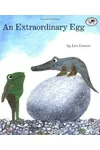
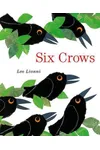

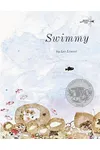
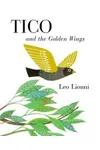
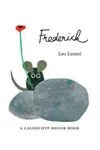
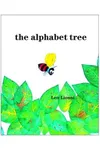
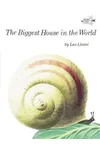
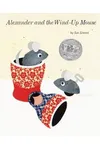
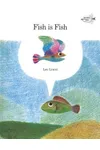
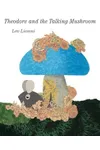
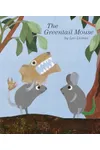
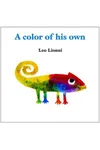
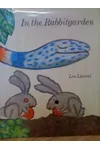
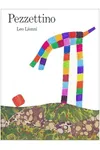
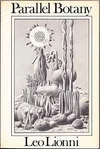
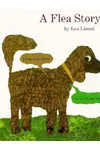
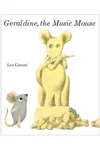





Picture a Dutch-born storyteller who painted stories with words and art, captivating children worldwide—meet Leo Lionni! From his whimsical tales like Frederick to the underwater adventures of Swimmy, Lionni’s creative genius blended art, storytelling, and life lessons. His vibrant picture books, adorned with his own illustrations, earned him four Caldecott Honors and a lasting place in children’s literature.
Born in 1910, Lionni wasn’t just a writer—he was a Renaissance man. An artist, designer, and ad man, he brought a unique flair to his stories, making them resonate with readers of all ages. Let’s dive into the life and legacy of this remarkable creator!
The Making of Leo Lionni
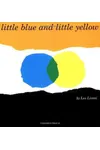
Leo Lionni was born in Amsterdam to a Dutch mother and an Italian father, growing up in a world steeped in art. His uncle, a passionate art collector, sparked his love for creativity. By age 16, Lionni was studying economics in Italy but couldn’t resist the pull of art. He moved to the United States in 1939, fleeing fascism, and began a dazzling career in advertising and graphic design, working with giants like Fortune magazine. His first foray into children’s books came unexpectedly in the 1950s, inspired by entertaining his grandchildren with a story about a blue mouse named Little Blue and Little Yellow.
Leo Lionni’s Unforgettable Stories
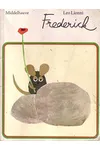
Lionni’s picture books are like small works of art, blending simple yet profound stories with his signature collage-style illustrations. Frederick (1967) tells of a poetic mouse who saves his community with dreams and words, celebrating creativity. Swimmy (1963) follows a tiny fish who teaches his peers to work together, a tale of courage and collaboration. Little Blue and Little Yellow (1959) explores friendship through abstract colors, while Alexander and the Wind-Up Mouse (1969) delves into acceptance and identity. His stories often carry gentle morals, delivered with a playful, accessible tone.
What sets Lionni apart is his artistic approach. Trained in the Bauhaus tradition, he used torn paper, textures, and bold colors to create vibrant visuals. His narratives, rooted in universal themes like individuality and community, feel timeless, appealing to both children and adults. With over 40 books to his name, Lionni’s work remains a staple in classrooms and homes.
Why Leo Lionni Matters
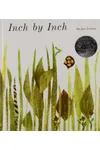
Leo Lionni’s impact on children’s literature is profound. His books don’t just entertain—they inspire. By weaving art and storytelling, he showed that picture books could be both visually stunning and deeply meaningful. His Caldecott Honors for Frederick, Swimmy, Alexander and the Wind-Up Mouse, and Inch by Inch reflect his mastery. Lionni’s stories continue to teach empathy, creativity, and resilience, influencing generations of readers and authors. His multicultural background and innovative spirit make him a global literary treasure.
- Born: May 5, 1910, Amsterdam, Netherlands
- Key Works: Frederick, Swimmy, Little Blue and Little Yellow
- Awards: Four Caldecott Honors, German Literature Prize
- Died: October 11, 1999, Tuscany, Italy
Ready to fall in love with Lionni’s world? Grab Swimmy or Frederick and dive into his enchanting blend of art and storytelling!