



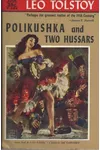
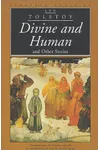
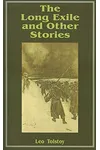


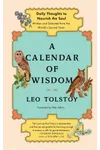
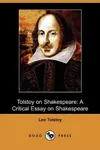
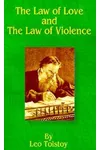
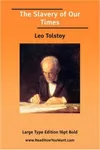







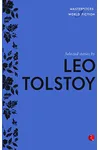



Picture a Russian nobleman who traded privilege for profound stories and radical ideas—meet Leo Tolstoy! Born in 1828, this literary giant crafted epic novels like War and Peace and Anna Karenina, blending raw human emotion with big questions about life, love, and morality. His words didn’t just entertain; they inspired global movements for peace and justice.
The Making of Leo Tolstoy
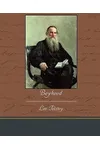
Lev Nikolayevich Tolstoy was born into wealth on the family’s Yasnaya Polyana estate in Russia. Orphaned young, he was raised by relatives, indulging in a carefree youth of gambling and carousing. Yet, his restless spirit led him to the Caucasus as a soldier, where war’s brutality sparked his early writing. His semi-autobiographical Childhood trilogy (1852–1857) marked his debut, revealing a knack for vivid, introspective storytelling.
Tolstoy’s travels across Europe exposed him to progressive ideas, shaping his disdain for societal norms. By his 30s, he returned to Yasnaya Polyana, founding a school for peasant children and experimenting with education reform—an early sign of his rebellious streak.
Leo Tolstoy’s Unforgettable Stories
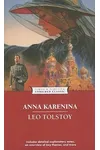
Tolstoy’s masterpieces redefined the novel. War and Peace (1865–1869), a sprawling epic, weaves the lives of Russian aristocrats against Napoleon’s invasion. Its blend of historical detail, philosophical musings, and relatable characters makes it a literary monument. Anna Karenina (1875–1877) is no less gripping, tracing a doomed love affair alongside deep dives into family, faith, and societal hypocrisy.
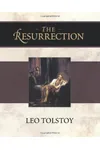
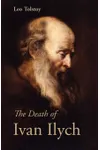
His later works, like The Death of Ivan Ilyich (1886), explore mortality with haunting clarity, while Resurrection (1899) critiques injustice and redemption. Tolstoy’s style—rich, realistic, and morally probing—digs into the human condition, blending everyday struggles with existential questions. His knack for making the mundane profound keeps readers hooked.
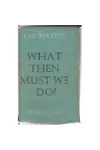
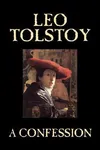
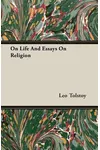
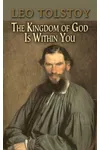
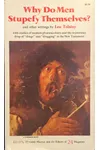
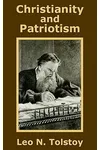
Tolstoy wasn’t just a novelist; his spiritual crisis in the 1870s led to radical essays like A Confession (1879), where he wrestled with life’s meaning. These writings cemented his shift from storyteller to moral philosopher, advocating simplicity and nonviolence.
Why Leo Tolstoy Matters
Tolstoy’s influence stretches far beyond literature. His philosophy of nonviolent resistance inspired Mahatma Gandhi’s fight for Indian independence and Martin Luther King Jr.’s civil rights activism. His critique of materialism and embrace of universal compassion still resonate, challenging readers to live with purpose. In Russia, his works shaped national identity, capturing the soul of a turbulent era.
Today, Tolstoy’s novels remain staples in classrooms and book clubs, their themes timeless. His life—nobleman turned anarchist—reminds us that transformation is possible, and one voice can ripple across centuries.
About Leo Tolstoy
- Born: September 9, 1828, Yasnaya Polyana, Russia
- Key Works: War and Peace, Anna Karenina, The Death of Ivan Ilyich
- Influence: Inspired Gandhi, Martin Luther King Jr., and global pacifist movements
- Died: November 20, 1910
Ready to lose yourself in Tolstoy’s world? Grab Anna Karenina and dive into his soul-stirring storytelling!