
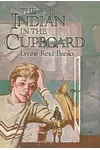
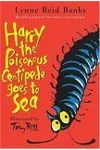

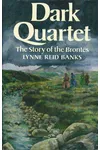
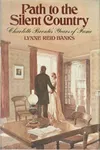


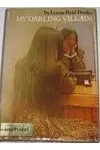
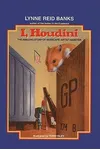
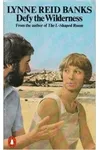
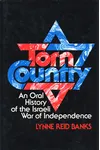
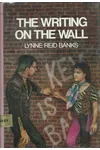
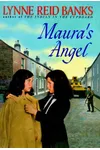
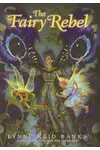
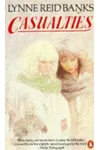

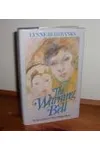


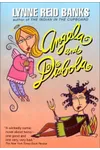
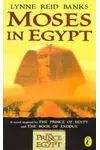
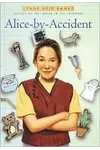
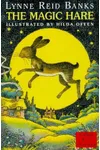
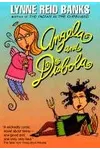

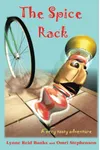
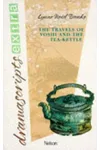





Picture a British storyteller who spun magic from a tiny plastic figurine and tackled gritty social issues with equal flair—meet Lynne Reid Banks! Born in 1929, this trailblazing author penned over 45 books, from the beloved children’s series The Indian in the Cupboard to the groundbreaking feminist novel The L-Shaped Room. Her knack for blending cultural insights with vivid storytelling has enchanted readers worldwide.
The Making of Lynne Reid Banks
Born in Barnes, London, to a Scottish doctor and an Irish actress, Lynne Reid Banks lived a life as colorful as her stories. World War II whisked her to Saskatchewan, Canada, for five years, shaping her adventurous spirit. Back in London, she chased acting dreams at the Royal Academy of Dramatic Art but found her true calling in words. As one of Britain’s first female TV journalists at ITN in 1955, she broke barriers before turning to writing, sparked by a typewriter test in the newsroom that birthed her debut novel.
Lynne Reid Banks’s Unforgettable Stories
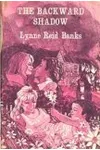
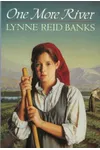
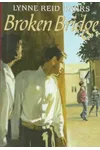
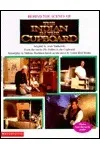
Banks’s literary career kicked off with a bang in 1960 with The L-Shaped Room, a raw, feminist tale of a pregnant single woman navigating a judgmental world. The novel’s success spawned two sequels, The Backward Shadow and Two is Lonely, and a hit film. Her children’s classic The Indian in the Cupboard (1980), inspired by her son Omri, brought a magical cupboard to life, selling over 10 million copies and inspiring a 1995 Hollywood movie. Banks’s time in Israel, living on a kibbutz for nearly a decade, infused works like One More River and Broken Bridge with rich cultural depth. Her biographical fiction, Dark Quartet and Path to the Silent Country, vividly reimagined the Brontë sisters’ lives, showcasing her versatility.
Her writing style sparkles with lively dialogue, well-crafted plots, and a knack for transmuting raw emotions into authentic characters. Whether exploring single parenthood, cultural identity, or magical adventures, Banks’s stories resonate with heart and humanity, appealing to both young readers and adults.
Why Lynne Reid Banks Matters
Lynne Reid Banks’s legacy lies in her fearless storytelling and cultural bridge-building. Her children’s books, like The Indian in the Cupboard, ignited young imaginations, earning her the J.M. Barrie Award in 2013 for her contributions to children’s arts. Her adult novels, particularly The L-Shaped Room, captured the struggles of women seeking independence, aligning her with postwar feminist voices. Her time in Israel added a unique perspective, weaving themes of survival and community into her work, making her a global literary figure whose stories continue to inspire.
- Born: July 31, 1929, London, England
- Key Works: The L-Shaped Room, The Indian in the Cupboard, Dark Quartet
- Awards: J.M. Barrie Award (2013)
- Notable Fact: One of Britain’s first female TV journalists
Snag The Indian in the Cupboard or The L-Shaped Room and dive into Lynne Reid Banks’s vibrant world of heart, magic, and resilience!