
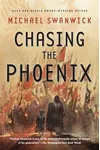
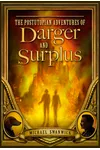


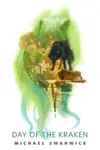

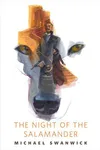



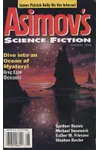

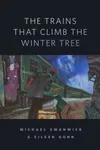
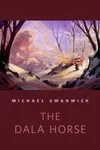






Picture a Philadelphia storyteller who conjured dragons as jet fighters and turned Janis Joplin into a goddess—meet Michael Swanwick! Born in 1950, this American science fiction and fantasy author has spent over four decades weaving tales that blur the lines between magic and technology, earning him a Nebula, five Hugos, and a World Fantasy Award. With a knack for crafting vivid worlds and probing human nature, Swanwick’s stories are like a cosmic rollercoaster you can’t stop riding.
The Making of Michael Swanwick
Born on November 18, 1950, in Schenectady, New York, Michael Swanwick grew up with a love for stories that stretched beyond the ordinary. After settling in Philadelphia, he dove into the speculative fiction scene in the early 1980s, kicking off with short stories like 'Ginungagap' and 'The Feast of St. Janis,' both Nebula nominees in 1981. Inspired by literary giants like Gene Wolfe and the cyberpunk wave, Swanwick carved his own path, blending hard science with fantastical flair.
Michael Swanwick’s Unforgettable Stories
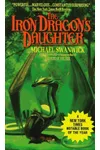
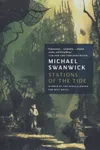
Swanwick’s bibliography is a treasure trove of genre-bending brilliance. His 1991 novel Stations of the Tide, a Nebula winner, follows a bureaucrat chasing a magician on a flood-bound world, blurring magic and tech in a far-future saga. The Iron Dragon’s Daughter (1993) reimagines fairyland as a gritty, modern America where a changeling battles a dragon’s schemes—think elves in Armani and dragons as war machines. Jack Faust (1997) twists the Faust legend, with a scholar sparking an early Industrial Revolution. His short story collections, like Not So Much, Said the Cat (2016), showcase his range, from hard sci-fi to whimsical fantasy, often laced with sharp wit and deep emotion.
Swanwick’s style is a kaleidoscope of ideas—cyberpunk meets myth, dinosaurs roam Vermont, and zombies become corporate drones. His stories dig into identity, morality, and the human condition, wrapped in prose that’s both poetic and precise. Whether it’s a Hugo-winning tale like 'The Very Pulse of the Machine' or flash fiction series like Puck Aleshire’s Abecedary, Swanwick keeps readers guessing and grinning.
Why Michael Swanwick Matters
Michael Swanwick’s impact on speculative fiction is undeniable. His fearless blending of science fiction, fantasy, and magical realism has inspired writers to push boundaries and readers to embrace the unexpected. Essays like 'The User’s Guide to the Postmoderns' sparked debates on cyberpunk and humanism, cementing his role as a thought leader. With adaptations like 'The Very Pulse of the Machine' in Netflix’s Love, Death + Robots, his stories reach new audiences, proving their timeless appeal. Swanwick’s ability to stay contemporary while honoring genre traditions makes him a cornerstone of modern sci-fi and fantasy.
About Michael Swanwick
- Born: November 18, 1950, in Schenectady, New York
- Key Works: Stations of the Tide, The Iron Dragon’s Daughter, Not So Much, Said the Cat
- Awards: Nebula (1991), World Fantasy (1996), five Hugo Awards (1999–2004)
- Fun Fact: He thanks his wife, Marianne Porter, in every book as the 'M.C. Porter Endowment for the Arts'
Snag The Iron Dragon’s Daughter or Not So Much, Said the Cat and dive into Michael Swanwick’s wild, wondrous worlds!