






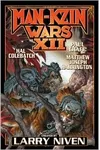

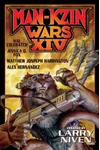


Picture a Canadian storyteller who crafts epic interstellar voyages while serving as an infantry officer—meet Paul Chafe! Born in Toronto in 1965, Chafe blends his military expertise with a passion for hard science fiction, creating vivid worlds that captivate readers. From his gripping contributions to Larry Niven’s Man-Kzin Wars to his ambitious Ark series, Chafe’s stories pulse with adventure, technical detail, and complex characters. His life, split between writing, army reserves, and thrill-seeking hobbies like sailplane flying, is as dynamic as the galaxies he imagines.
The Making of Paul Chafe
Paul Chafe grew up in Hamilton, Ontario, where his love for science fiction sparked at age eight with a battered copy of Tom Swift and His Giant Robot. His mother, a sci-fi fan, introduced him to Isaac Asimov’s works, fueling his imagination. Chafe began writing as a teen, inspired by masters like Robert Heinlein and Larry Niven. Alongside his literary pursuits, he pursued graduate studies in electrical engineering at Dalhousie University and joined the Canadian Army reserves as an infantry officer, experiences that shaped the tactical and technical depth of his storytelling.
Paul Chafe’s Unforgettable Stories
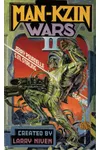
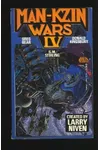
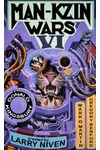
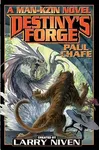
Chafe’s writing shines in the military science fiction realm, particularly through his work with Baen Books. His breakout contribution was Destiny’s Forge (2006), the first full-length novel in Larry Niven’s Man-Kzin Wars series. Set in Niven’s Known Space universe, it follows a young Kzinti heir navigating a coup, blending intense battle scenes with intricate Kzinti culture. Readers praise its fast-paced plot and rich character development.
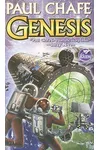
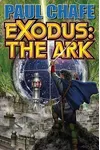
Chafe’s solo venture, the Ark series, explores the generation starship theme. Genesis (2007) depicts the political and technical challenges of building a world-ship for a 10,000-year journey, while Exodus (2009) delves into the descendants’ lives aboard the Ark, unaware of their cosmic mission. The planned finale, Revelations, remains forthcoming. Chafe’s style, grounded in realistic science and military strategy, appeals to fans of ‘big idea’ sci-fi like Niven’s Ringworld.
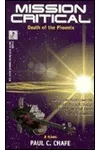
His debut novel, Mission Critical: Death of the Phoenix (1996), a tie-in to the video game Mission Critical, showcases his ability to expand game narratives with compelling stakes. Chafe’s stories often weave themes of leadership, survival, and human resilience, reflecting his dual roles as a soldier and scientist.
Why Paul Chafe Matters
Paul Chafe’s work stands out for its authenticity and ambition. His military background infuses his battle scenes with gritty realism, while his engineering knowledge grounds his speculative technologies. By contributing to the Man-Kzin Wars, he expanded a beloved universe, earning a place among sci-fi giants like Niven and Poul Anderson. The Ark series, though incomplete, tackles profound questions about humanity’s future, making Chafe a thought-provoking voice in hard science fiction. His ability to balance writing with a multifaceted life inspires aspiring authors to embrace their unique perspectives.
- Born: 1965, Toronto, Ontario
- Key Works: Destiny’s Forge, Genesis, Exodus
- Hobbies: Sailplane flying, parachuting, cycling, travel
- Notable Role: Infantry officer, Canadian Army reserves
Snag Destiny’s Forge or Genesis and dive into Paul Chafe’s thrilling blend of military precision and cosmic wonder!