






Richard Wright Books in Order

  • 41 Books
  • 1938 – 2022 Published

Amazon links here are affiliate links. As an Amazon Associate I earn from qualifying purchases.

Reading order
01
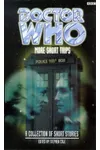
More Short Trips
More Short Trips
1999 By: Stephen Cole, Gary Russell
02
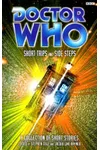
Short Trips and Side Steps
2000 By: Stephen Cole, Gary Russell, Jacqueline Rayner
03
Companions
Companions
2003 By: Gary Russell, Jacqueline Rayner
04
Reprecussions
Reprecussions
2004 By: Gary Russell
05
Tales from the TARDIS: Volume 2: Multi-Doctor Stories
2004 By: Gary Russell, Terrance Dicks, Peter Davison, Jon Pertwee, Colin Baker, Philip Martin
06
Doctor Who: Short Trips: 2040
2004 By: Stephen Cole, Jacqueline Rayner, Marc Platt, Andy Campbell, Matthew Griffiths, John Binns, Lance Parkin, Kate Orman, Rebecca Levene, Gareth Wigmore, Richard Salter, Xanna Eve Chown, Huw Wilkins, Alexander Leithes
07
The Solar System
The Solar System
2005 By: Gary Russell
08
The Centenarian
The Centenarian
2006 By: Gary Russell, Jacqueline Rayner
09
The Ghosts of Christmas
2007 By: Dan Abnett, Trevor Baxendale, Gary Russell, Steven Savile, Joseph Lidster, Peter Anghelides, Cavan Scott, John Binns, Eddie Robson, Neil Corry, Scott Handcock, Simon Barnard, Iain McLaughlin, Ian Farrington, Richard Salter, Jonathan Clements, Paul Morris, MarkWright, Xanna Eve Chown, ColinHarvey, Mark Magrs, Ann Kelly, Michael Abberton, Scott Allan Woodard, Scott Matthewman
10
Doctor Who: Short Trips: Transmissions
2008 With: George Mann, Dale Smith, Andy Lane, Steve Lyons, James Moran, Graeme Burk, Mags L. Halliday, Kelly Hale, Lou Anders, Pete Kempshall, Richard Salter, Mark Stevens
11
The Doctor Who Stories
2009 By: Matt Kemp
12
Queers Dig Time Lords
2013 By: Mary Anne Mohanraj, Lee Mandelo, Rachel Swirsky, Gary Russell, David Llewellyn, Tanya Huff, Melissa Scott, Amal El-Mohtar, Paul Magrs, Susan Jane Bigelow, Jennifer Pelland, John Barrowman, Hal Duncan, Michael Damian Thomas, Sigrid Ellis, Nigel Fairs, Carole E. Barrowman, Jed Hartman, Cody Schell, Emily Asher-Perrin, Paul F. Cockburn, Jason Tucker, Sarah J. Groenewege, Erik Stadnik, Scot Clarke, Julia Rios, Martin Warren, Neil Chester, Kaia Landelius, JohnRichards, Naamen Gobert Tilahun, Paul Kirkley
13
Summer Falls and Other Stories
2013 By: Justin Richards, James Goss
14
Heroes and Monsters Collection
2015 By: Jason Loborik, Gary Russell
15
Red White and Who: The Story of Doctor Who in America
2017 By: Gary Russell, Arnold T. Blumberg, Jennifer Adams Kelley, Steven Warren Hill, Nicholas Seidler, Robert Warnock, Janine Fennick, John Lavalie
6 of 6 reading orders shown

Picture an American storyteller who turned the harsh realities of racial injustice into gripping, unforgettable tales—meet Richard Wright! Born in 1908 in Mississippi, Wright’s raw, powerful narratives in works like Native Son and Black Boy shook the literary world, giving voice to the marginalized and influencing generations. His life, from Southern poverty to Parisian exile, is as compelling as his stories.

The Making of Richard Wright

Richard Wright grew up in the Jim Crow South, where poverty and segregation shaped his early years. Born on a plantation near Natchez, Mississippi, he faced hardship from childhood, moving between relatives after his father left and his mother fell ill. Largely self-educated, Wright found solace in books, sparking a passion for storytelling. By his 20s, he moved to Chicago, joined the Federal Writers’ Project, and began crafting stories that blended gritty realism with social critique, setting the stage for his literary rise.

Richard Wright’s Unforgettable Stories

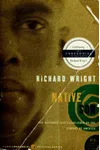
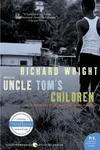
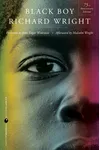
Wright’s breakthrough came with Native Son (1940), a searing novel about Bigger Thomas, a Black man trapped by systemic racism and driven to violence. Its unflinching look at poverty and prejudice made it a bestseller and a cultural lightning rod. Black Boy (1945), his memoir, vividly recounts his Southern childhood and struggle for identity, blending lyrical prose with stark honesty. Other works, like the short story collection Uncle Tom’s Children (1938), showcase his ability to weave personal pain into universal themes. Wright’s style—raw, direct, and emotionally charged—made his stories both accessible and revolutionary, cementing his place in American literature.

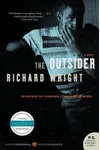
Later, in Paris, Wright explored broader themes of existentialism and global oppression in novels like The Outsider (1953). His time abroad enriched his perspective, connecting his work to anti-colonial movements worldwide. Whether writing fiction or essays, Wright’s focus on human dignity and resistance to injustice never wavered.

Why Richard Wright Matters

Richard Wright’s fearless storytelling changed how America confronted race. His works inspired Civil Rights leaders and resonated with global thinkers like Frantz Fanon. By exposing the brutal realities of systemic racism, he challenged readers to rethink society’s structures. Today, his books remain essential reading, offering timeless insights into identity, justice, and resilience. Wright’s legacy lives on in literature, activism, and the ongoing fight for equality.

About Richard Wright

  • Born: September 4, 1908, in Mississippi
  • Key Works: Native Son, Black Boy, Uncle Tom’s Children
  • Notable: One of the first Black authors to achieve widespread literary success
  • Died: November 28, 1960, in Paris

Ready to dive into a literary giant’s world? Grab Native Son or Black Boy and experience Richard Wright’s bold, heart-wrenching stories for yourself!

Frequently Asked

Who was Richard Wright?

Richard Wright (1908–1960) was a trailblazing African American author whose gritty novels like Native Son and memoir Black Boy exposed racial injustice in America. Born in Mississippi, he became a literary giant, influencing the Civil Rights movement and global thinkers.

What is Richard Wright’s most famous book?

Native Son (1940) is Richard Wright’s most famous book. This powerful novel follows Bigger Thomas, a Black man caught in a cycle of poverty and racism, and its raw honesty made it a literary milestone.

Why did Richard Wright move to Paris?

Richard Wright moved to Paris in 1946 to escape America’s racial oppression and gain creative freedom. There, he wrote broader works like The Outsider and connected with global intellectuals, enriching his literary legacy.

What inspired Richard Wright’s writing?

Richard Wright drew inspiration from his harsh Mississippi childhood, Jim Crow segregation, and self-education through books. His experiences with poverty and racism fueled the raw, honest themes in Native Son and Black Boy.

How did Richard Wright impact the Civil Rights movement?

Richard Wright’s books, like Native Son, exposed systemic racism’s brutality, inspiring Civil Rights activists. His vivid stories gave voice to Black struggles, influencing leaders and shaping public awareness of racial injustice.