

Where to Begin Your Journey on Deep Space Nine
Unlike the starship-based adventures of other Star Trek series, Deep Space Nine (DS9) is a grounded, character-driven saga. With over 60 novels spanning prequel histories, mid-series side stories, and an ambitious post-finale continuity, finding a starting point can feel like navigating the Bajoran Badlands. Fortunately, readers generally choose one of three distinct entry points depending on what they want from the series:
- The Post-Finale Relaunch (Recommended): If you have finished the television show and want to know what happens next, start here. This sequence picks up immediately after the final episode, "What You Leave Behind," and crafts a serialized, multi-author story arc that functions as "Seasons 8 and 9" of the show.
- The Historical Prequels (The Terok Nor Trilogy): For readers fascinated by the backstory of the Cardassian Occupation of Bajor and the construction of the station itself, starting with this prequel trilogy offers an excellent, chronological setup to the political landscape of the series.
- The Standalone Numbered Novels: If you are currently watching the show and want episodic, self-contained adventures that slot between television episodes, you can read the original numbered novels in publication order.
The Post-Finale Relaunch Reading Order (Season 8 and Beyond)
The DS9 Relaunch is widely celebrated for its rich, continuous narrative that introduces new crew members (like Elias Vaughn) and follows the evolution of Bajor, Cardassia, and the station's inhabitants. To experience this story arc properly, read the books in this recommended sequence:
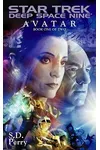
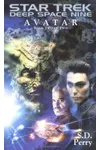
- Avatar, Book One & Book Two (2001) by S.D. Perry: The official starting point of the relaunch. These two books are also collected in the omnibus titled Twist of Faith.
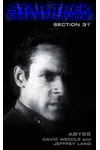
- Section 31: Abyss (2001) by David Weddle & Jeffrey Lang: A crucial entry that ties the DS9 crew into the franchise-wide mystery of Section 31.
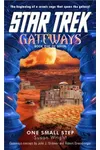
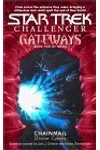
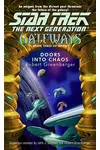
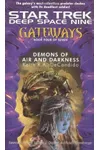
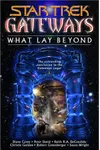
- Gateways: Demons of Air and Darkness (2001) by Keith R.A. DeCandido: The DS9-centric portion of the multi-series Gateways crossover event. Make sure to also read the short story "Horn and Ivory" in the crossover anthology What Lay Beyond.
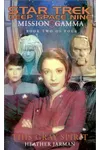
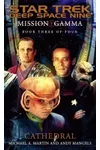
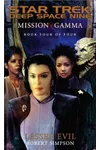
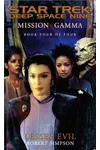
- Mission Gamma (2002): A four-part miniseries detailing the USS Defiant's exploratory return to the Gamma Quadrant and the political shifts back on the station. Read in this order:
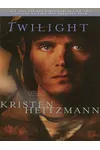
- Book One: Twilight by David R. George III
- Book Two: This Gray Spirit by Heather Jarman
- Book Three: Cathedral by Michael A. Martin & Andy Mangels
- Book Four: Lesser Evil by Robert Simpson
- Rising Son (2003) by S.D. Perry: Follows Jake Sisko's parallel journey in the Gamma Quadrant during the events of the Mission Gamma series.
- The Left Hand of Destiny, Book One & Book Two (2003) by J.G. Hertzler & Jeffrey Lang: Focuses heavily on the Klingon Empire and General Martok's struggles post-war.
- Unity (2003) by S.D. Perry: The grand culmination of the initial relaunch era, resolving many of the political and spiritual plotlines established since Avatar.
Prequels and Historical Context: The Terok Nor Trilogy
For readers who want to understand the dark, complex history of the Bajoran occupation before Commander Sisko ever stepped foot on the station, the Terok Nor Trilogy is essential. Published in 2008, these books are chronological prequels that trace the rise of Cardassian dominance and the construction of the station:
- Day of the Vipers by James Swallow: Explores the early days of the Cardassian occupation and the political machinations that led to Bajor's subjugation.
- Night of the Wolves by James Swallow: Details the escalation of the Bajoran resistance and the harsh realities of life under Cardassian rule.
- Dawn of the Eagles by James Swallow: Concludes the occupation era, detailing the events leading up to the Cardassian withdrawal and the Federation's arrival.
Episodic Mid-Series & Numbered Novels
Between 1993 and 1999, Pocket Books published dozens of numbered novels that ran concurrently with the TV show. These books are generally standalone and episodic, meaning they do not require a strict reading order. However, a few stand out as fan favorites and essential character studies:
- Emissary (1993) by J.M. Dillard: The official novelization of the pilot episode, offering deeper insights into Sisko's grief and the Bajoran religion.
- Fallen Heroes (1994) by D.A. McKinney: A dark, time-bending thriller that remains one of the most highly praised early DS9 novels.
- The 34th Rule (1999) by Armin Shimerman & David R. George III: Co-written by the actor who played Quark, this novel offers an unparalleled look into Ferengi culture, economics, and prejudice.
- A Stitch in Time (2000) by Andrew J. Robinson: Written by the actor who portrayed the Cardassian tailor Garak, this masterpiece serves as both a prequel to Garak's life in the Obsidian Order and a post-finale epilogue. It is widely considered by fans to be the single best Star Trek novel ever written.
Chronological vs. Publication Order: Navigating the Caveats
Because the Star Trek lit-verse spans multiple centuries and crossover events, readers often debate chronological versus publication order. For the best experience, do not read chronologically by in-universe date. Starting with the Terok Nor prequel trilogy can be rewarding, but it assumes the reader is already familiar with the characters and setting of the show. Reading them first may spoil some of the mystery surrounding Cardassian characters. The safest approach is to watch the television series first, then dive into A Stitch in Time and the Relaunch starting with Avatar.
Furthermore, as the relaunch moves past the novel Unity, the story begins to merge with the broader Star Trek "Lit-verse" continuity, crossing over with The Next Generation and Voyager. Major crossover events like the Destiny trilogy and the Typhon Pact series permanently reshape the galactic status quo, making community-maintained reading flowcharts highly useful for readers who wish to follow the entire 24th-century timeline.