

Where to Start Reading Star Trek: The Next Generation Books
Entering the vast literary universe of Star Trek: The Next Generation (TNG) can feel as daunting as navigating the Neutral Zone. With over a hundred novels published since 1987, the books are broadly divided into two major eras: the Classic TV & Movie Era (which are mostly episodic, standalone stories) and the Post-Nemesis Relaunch Era (which forms a highly serialized, interconnected shared universe known to fans as the "Lit-verse"). Your best starting point depends entirely on what kind of reading experience you want.
For Standalone Classic Adventures
If you prefer episodic stories that read like lost episodes of the television show, you can start almost anywhere in the numbered series. The absolute best standalones to begin with are:
- Imzadi by Peter David: A deep dive into the past and future romance of Commander William Riker and Counselor Deanna Troi, widely considered a TNG classic.
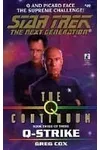
- Q-Squared by Peter David: A mind-bending, chaotic adventure featuring the mischievous Q and alternate realities that showcases the author's signature wit.
- Vendetta by Peter David: An epic confrontation involving the Borg and a mysterious planet-killer weapon.
For the Serialized "Lit-verse" Continuity
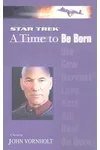
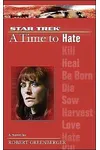
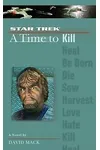
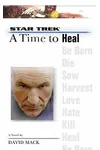
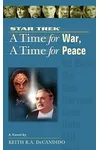
If you want to experience the massive, multi-series story arc that continued the adventures of the crew beyond the events of the final TNG film, Star Trek: Nemesis, you should begin with the transition miniseries A Time To... or jump straight into the relaunch with Death in Winter by Michael Jan Friedman.
The Post-Nemesis TNG Relaunch Chronological Order
Unlike the classic era, the post-Nemesis books must be read in chronological order because they tell a continuous, serialized story that eventually crosses over with Star Trek: Deep Space Nine, Voyager, and the Star Trek: Titan series. Here is the recommended chronological reading order for the core TNG relaunch storyline:
- A Time to Be Born to A Time for War, A Time for Peace (The 9-book A Time To... series): This series bridges the gap between the movie Star Trek: Insurrection and Star Trek: Nemesis, setting up the political landscape of the galaxy.
- Death in Winter by Michael Jan Friedman: The official start of the TNG relaunch, dealing with the aftermath of Nemesis and Picard's relationship with Beverly Crusher.
- Resistance by J.M. Dillard: Picard faces a newly resurgent Borg threat.
- Q & A by Keith R.A. DeCandido: Q returns to test Picard's understanding of the cosmos.
- Before Dishonor by Peter David: An unconventional Borg thriller featuring Admiral Kathryn Janeway.
- Greater Than the Sum by Christopher L. Bennett: Introduces key plot threads leading directly into the first major crossover event.
- Destiny Trilogy (Gods of Night, Mere Mortals, Lost Souls) by David Mack: The monumental crossover trilogy that reshaped the entire Star Trek literary universe.
- Losing the Peace by William Leisner: TNG crew deals with the devastating fallout of the Borg invasion.
- Typhon Pact & The Fall Crossovers: TNG crew coordinates with other fleets to handle a new alliance of hostile alien species.
- Cold Equations Trilogy (The Persistence of Memory, Silent Weapons, The Body Electric) by David Mack: Essential reading focused on the legacy of android technology and the fate of Data.
- The Light Fantastic by Jeffrey Lang: A follow-up focused on Data, Moriarty, and Lal.
- Takedown by John Jackson Miller: A high-stakes tactical thriller testing the limits of Picard's command.
- Available Light by Dayton Ward: Deals with the political aftermath of the Section 31 exposures.
- Coda Trilogy (Moments Asunder, The Ashes of Tomorrow, Oblivion's Gate): The grand finale that brings the entire 20-year Lit-verse continuity to a definitive end.
Major Subseries, Miniseries, and Collections
TNG books often participated in multi-series publishing events. Key subseries from the local database include:
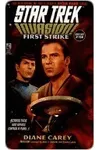
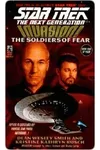
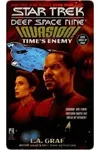
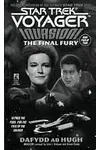
- Star Trek: Invasion: A 1996 crossover saga involving an ancient evil returning to threaten the Federation.
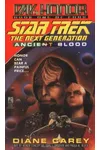
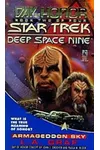
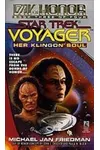
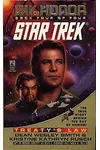
- Day of Honor: A Klingon-focused series highlighting honor and sacrifice across different crews.
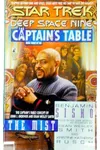
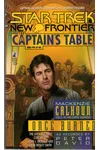
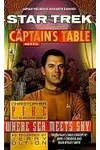
- The Captain's Table: Famous captains gather at a magical bar to tell their wildest untold stories.
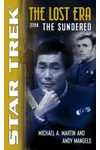
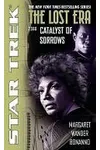
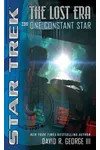
- The Lost Era: Fills in the gaps between the movie Star Trek: Generations and the start of TNG.
- Section 31: Stories exploring the Federation's black-ops intelligence agency.
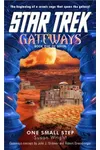
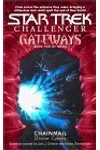
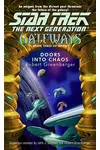
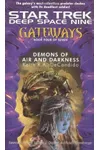
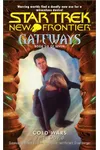
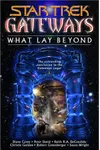
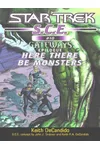
- Gateways: A galaxy-wide crisis triggered by the sudden reactivation of ancient Iconian portals.
What to Know Before You Start: The Canon Split
It is important for new readers to understand that the TNG Lit-verse exists as a separate, alternate timeline from the modern television series like Star Trek: Picard and Star Trek: Discovery. When the novels were written between 2002 and 2019, there was no active TNG-era television show, allowing authors to create a highly consistent, forward-moving timeline. When modern shows returned to television, they chose to ignore the books. Rather than leaving the books unfinished, the authors wrote the Coda trilogy to give the Lit-verse a respectful, dramatic conclusion, making it one of the most complete shared universes in sci-fi literature.