






















































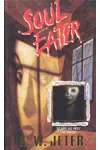
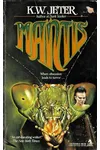



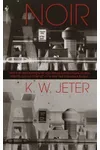
Picture an American visionary who spun dystopian futures and coined a genre-defining term—meet K.W. Jeter! Born in 1950, Jeter is the mastermind behind the term 'steampunk' and novels like Dr. Adder, blending dark, provocative themes with speculative brilliance. His work has reshaped science fiction and horror, captivating readers with morally complex characters and mind-bending realities.
With a knack for pushing boundaries, Jeter’s stories dive into the gritty, the surreal, and the steam-powered, leaving an indelible mark on modern speculative fiction. Ready to explore the world of a literary pioneer?
The Making of K.W. Jeter
Kevin Wayne Jeter was born on March 26, 1950, in Los Angeles, California. Growing up, he soaked in the vibrant cultural shifts of the era, which later fueled his genre-defying imagination. At California State University, Fullerton, Jeter forged lifelong friendships with fellow authors Tim Powers and James P. Blaylock, and through them, connected with sci-fi legend Philip K. Dick. Dick’s influence, particularly his obsession with reality’s subjective nature, became a cornerstone of Jeter’s work. Inspired by these connections, Jeter began crafting stories that blended dark humor, horror, and speculative twists, kicking off his career with his 1975 debut, Seeklight.
K.W. Jeter’s Unforgettable Stories
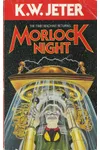
Jeter’s bibliography is a treasure trove of bold, genre-bending works. His 1979 novel Morlock Night, a sequel to H.G. Wells’ The Time Machine, imagines Morlocks invading Victorian London—a proto-steampunk gem that set the stage for the genre. In 1987, Jeter coined 'steampunk' to describe his and his peers’ retro-futuristic tales, cementing his legacy with Infernal Devices. This Victorian adventure, filled with clockwork mysteries and dark humor, remains a genre classic.
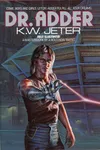
Equally groundbreaking is Dr. Adder (written in 1972, published in 1984), a proto-cyberpunk novel lauded by Philip K. Dick for its raw intensity. With its violent and transgressive themes, it took a decade to find a publisher but became a cult favorite. Jeter also penned three authorized Blade Runner sequels, expanding Philip K. Dick’s universe with his signature paranoia and moral ambiguity. His style—dark, literary, and laced with existential dread—challenges readers to question reality itself.
From the dystopian Farewell Horizontal to the noir-infused The Kingdom of Shadows, Jeter’s versatility shines. His Kim Oh thriller series, inspired by Asian cinema, adds a modern edge, proving his ability to evolve while staying true to his provocative roots.
Why K.W. Jeter Matters
Jeter’s impact on science fiction is monumental. By naming 'steampunk,' he gave a voice to a subgenre that now spans literature, film, and fashion, inspiring creators from Neil Gaiman to the makers of Bioshock. His early cyberpunk work, particularly Dr. Adder, laid groundwork for the gritty, tech-noir worlds of William Gibson and beyond. Jeter’s fearless exploration of dark themes and complex characters pushed speculative fiction into bold new territory, earning him a cult following and critical acclaim.
Today, Jeter’s influence endures as new generations discover his work. Living in Ecuador with his wife, Geri, he continues to write, proving that his creative spark burns as brightly as ever. His legacy is a testament to the power of imagination to redefine genres and challenge conventions.
- Born: March 26, 1950, Los Angeles, California
- Key Works: Morlock Night, Infernal Devices, Dr. Adder, Blade Runner sequels
- Fun Fact: Jeter inspired the character 'Kevin' in Philip K. Dick’s Valis.
Snag Infernal Devices or Dr. Adder and dive into K.W. Jeter’s thrilling, genre-defining worlds—your imagination will thank you!