
How to Read Aleksandra Ross's Work
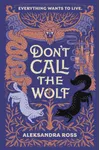
If you are looking to dive into the atmospheric fantasy of Aleksandra Ross, the path is straightforward: she is the author of the standalone young adult fantasy novel Don't Call the Wolf (2020). There are no prequels, sequels, or spin-offs to worry about, making it a perfect single-volume read for fantasy fans.
The Standalone Polish Folklore Fantasy
Don't Call the Wolf (2020)
Her debut novel is a dark, lyrical young adult fantasy set in the haunted forest of Kamiena. The story follows a tenuous alliance between two compelling leads:
- Ren: A fierce lynx-human shapeshifter queen who rules and protects the magical forest of Kamiena.
- Lukasz: A dragon slayer and the last of his order (the Forest Guard), who has spent his life hunting monsters.
When the Golden Dragon threatens Ren's domain and captures Lukasz's brothers, the two sworn enemies must join forces. Ren agrees to help Lukasz navigate the treacherous depths of the forest, and in exchange, Lukasz must promise to slay the Golden Dragon. Their journey is packed with dark magic, slow-burn romance, and dangerous creatures from Slavic folklore.
Slavic Mythology and Literary Inspirations
Readers who enjoy deep world-building will appreciate how Ross integrates Polish culture and folklore into the narrative. Some of the key inspirations and cultural elements include:
- The Glass Mountain: The core plot of the novel draws heavily from the classic Polish fairy tale "The Glass Mountain" (Szklana Góra).
- Slavic Monsters: The forest of Kamiena is populated with mythical entities like rusalkas (water spirits), vampiric hobgoblins, and the legendary witch Baba Yaga.
- Polish Settings: Ross draws visual and atmospheric inspiration from real locations in Poland, including the historic city of Krakow, the Tatry Mountains, and the subterranean chambers of the Wieliczka Salt Mine.
- Slavic Folk Art: Even the aesthetic design of the book, such as the paper-cutting art known as wycinanki, pays homage to her heritage.
Clarification: Distinguishing the Two Authors
When looking up works by Aleksandra Ross, readers may run into some confusion. It is important to know that there are two distinct writers with this name:
- Aleksandra Ross (YA Fantasy Author): The Vancouver-based physician and writer who authored the young adult fantasy novel Don't Call the Wolf.
- Aleksandra Ross (Academic Scholar): A Polish cultural studies researcher and author of the academic non-fiction book Skażone technonatury. Środowiskowe opowieści o katastrofach nuklearnych (2024), which explores environmental humanities and nuclear disaster narratives. This academic book is unrelated to the fantasy work of the Canadian physician.
What to Know Before You Start
Before cracking open the book, here are some helpful reading tips:
Lush and Dense Prose: Ross's writing is highly descriptive, atmospheric, and fairy-tale-like. Some readers note that the world-building is very dense, which can make the initial pacing feel slow as you orient yourself to the magical terms and Slavic concepts. Patience pays off as the romance and action pick up in the second half.
Medical Precision: Thanks to the author's background as a physician, the physical elements of the story—such as characters treating injuries, suturing wounds, or utilizing medicinal herbs—are written with a realistic detail that grounds the magical setting.
Perfect for Fans of: If you love the folklore-infused worlds of Leigh Bardugo's Grishaverse, Holly Black's dark fae tales, or Katherine Arden's Winternight Trilogy, you will find a similar enchanting atmosphere in Ross's work.