
How to Read Bill Harlow’s Books
Whether you are looking for high-stakes political fiction or inside accounts of the United States’ war on terror, Bill Harlow’s bibliography offers a unique, first-hand perspective. As a retired U.S. Navy captain and former chief spokesman for the CIA, Harlow has written one standalone thriller and co-authored several high-profile memoirs with prominent intelligence figures. Because his books do not follow a continuous fictional narrative or share a recurring set of characters, there is no strict chronological order you must follow. Instead, your reading path depends on whether you prefer fiction or historical non-fiction.
The Recommended Starting Point
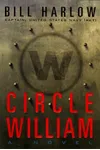
If you want to experience Bill Harlow’s ability to weave authentic military and political details into a suspenseful narrative, start with his debut novel, Circle William (1999). It is his only work of fiction and showcases his insider knowledge of White House press dynamics and naval operations.
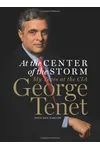
If you are more interested in real-world intelligence history, the best place to start is At the Center of the Storm: My Years at the CIA (2007), which Harlow co-authored with former CIA Director George Tenet. This book provides a foundational overview of the intelligence community's operations leading up to and immediately following the events of September 11, 2001, setting the stage for Harlow’s subsequent political and historical projects.
Publication Order of Bill Harlow’s Works
Reading Bill Harlow's books in order of publication allows you to follow the historical timeline of the post-9/11 era as the memoirs progress from early reflections to deeper deep-dives into specific intelligence programs and counterterrorism strategies.
- Circle William (1999) – Standalone political thriller novel.
- At the Center of the Storm: My Years at the CIA (2007) – Memoir co-authored with former CIA Director George Tenet.
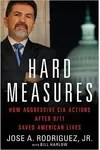
- Hard Measures: How Aggressive CIA Actions After 9/11 Saved American Lives (2012) – Inside account co-authored with former CIA clandestine service chief Jose A. Rodriguez Jr.
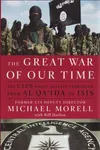
- The Great War of Our Time: The CIA's Fight Against Terrorism (2015) – Memoir and analysis co-authored with former CIA Deputy Director Michael Morell.
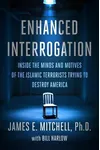
- Enhanced Interrogation: Inside the Minds and Motives of the Islamic Terrorists Trying to Destroy America (2016) – Non-fiction account co-authored with Dr. James E. Mitchell, the psychologist who designed the CIA’s interrogation program.
A Closer Look at Bill Harlow's Books
Fictional Thriller: Circle William (1999)
Harlow's only novel, Circle William, is a fast-paced thriller that details a Libyan chemical weapons conspiracy targeting Israel. The story centers on two brothers: Jim Schmidt, a White House press secretary, and Bill Schmidt, a Navy destroyer captain commanding the USS Winston Churchill. Harlow utilized his experience as a Navy captain and Assistant White House Press Secretary under Reagan and Bush Sr. to bring a high level of realistic detail to the book's media and military scenes. The title itself comes from the U.S. Navy's material condition "Circle William," which is set to prevent the spread of chemical, biological, or radiological contamination throughout a ship.
The CIA Memoirs and Non-Fiction Accounts
The bulk of Harlow’s writing career consists of high-level collaborations with former intelligence officials, making him one of the most prominent co-authors of modern national security literature:
- At the Center of the Storm (2007): Written with George Tenet, this #1 New York Times bestseller details Tenet's tenure at the helm of the CIA. It addresses the intelligence failures surrounding 9/11 and the decision-making process leading up to the 2003 invasion of Iraq.
- Hard Measures (2012): Co-authored with Jose Rodriguez, this book provides a defense of the CIA's controversial interrogation and detention programs during the war on terror, written from the perspective of the man who ran the operations.
- The Great War of Our Time (2015): Collaborating with Michael Morell, Harlow helps explain the evolution of the CIA's counterterrorism mission from the hunt for Osama bin Laden to the rise of ISIS, presenting a detailed look at the agency's modern analytical and operational challenges.
- Enhanced Interrogation (2016): Co-authored with Dr. James E. Mitchell, this book offers a first-hand look into the implementation of the CIA’s enhanced interrogation techniques, detailing the rationale behind the program and Mitchell's direct interactions with high-value detainees like Khalid Sheikh Mohammed.
What to Know Before You Start
Before diving into Bill Harlow’s non-fiction works, readers should keep a few details in mind:
- Standalones: All of Harlow's books are completely standalone. You do not need to read them in any specific sequence to understand the events, although reading them in publication order provides a helpful chronological progression of the war on terror.
- Perspective and Controversy: The memoirs Harlow co-authored represent the personal perspectives of high-ranking CIA officials and contractors. These works have generated significant public and political debate, particularly regarding the ethics and efficacy of "enhanced interrogation" techniques. Readers looking for a complete picture of these historical events may want to read these titles alongside official government reports, such as the Senate Intelligence Committee report on CIA torture, to compare differing viewpoints.
- An Insider's Voice: Throughout both his fiction and non-fiction, Harlow's writing style is characterized by clear prose, professional strategic communications framing, and detailed insights into how government agencies interface with the press and the public.