
Where to Start Reading Brian Lumley
Brian Lumley was a master of blending cosmic horror with fast-paced, pulp-style action. For newcomers, there are two distinct doorways into his massive bibliography, depending on your preferred flavor of horror:
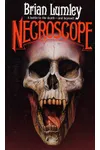
- For Vampire and Psychic Espionage Fans: Start with Necroscope (1986). This is Lumley's signature work, introducing Harry Keogh and the Wamphyri. It is the perfect starting point for the majority of readers.
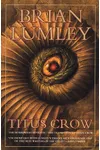
- For Lovecraftian Horror Devotees: Start with The Burrowers Beneath (1974), the first book in the Titus Crow series. It offers a unique, action-oriented spin on the Cthulhu Mythos where humanity actually fights back.
The Necroscope Saga: Publication Order
The Necroscope universe is vast, spanning 18 major books and collections. The safest and most rewarding way to read the series for the first time is in publication order. This matches the natural evolution of the lore and prevents major spoilers regarding the origins of the alien Wamphyri.
The Original Necroscope Arc (Books 1–5)
This initial pentalogy introduces Harry Keogh, his ability to speak with the dead (Deadspeak), and the sinister Cold War psychic warfare departments of the UK and USSR.
- Necroscope (1986)
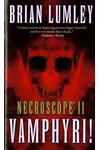
- Necroscope II: Vamphyri! (1989)
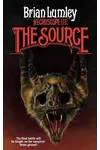
- Necroscope III: The Source (1989)
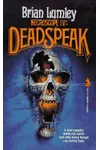
- Necroscope IV: Deadspeak (1990)
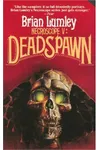
- Necroscope V: Deadspawn (1991)
The Vampire World Trilogy (Books 6–8)
This subseries shifts the setting directly to the alien home planet of the Wamphyri, focusing on Harry's twin sons and their struggle in a brutal, gothic fantasy world.
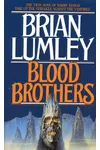
- Blood Brothers (1992)
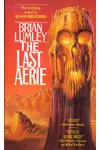
- The Last Aerie (1993)
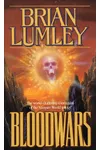
- Bloodwars (1994)
The Lost Years Duology (Books 9–10)
Published after the Vampire World trilogy, these books backtrack in time to explore the period Harry Keogh spent searching for his lost wife and child.
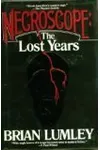
- Necroscope: The Lost Years (1995)
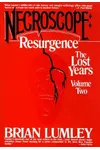
- Necroscope: Resurgence: The Lost Years, Volume 2 (1996)
The E-Branch Trilogy (Books 11–13)
This trilogy shifts focus to the next generation of psychic agents working for Britain's E-Branch as they confront new Wamphyri threats on Earth.
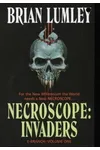
- Necroscope: Invaders (1999)
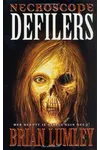
- Necroscope: Defilers (2000)
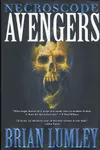
- Necroscope: Avengers (2001)
Later Novels, Novellas, and Collections (Books 14–18)
These books expand the universe with new standalone threats, short story collections, and side stories filling in narrative gaps.
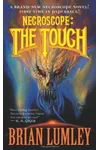
- Necroscope: The Touch (2006) – Introduces new characters and psychic dynamics.
- Necroscope: Harry and the Pirates (2009) – A collection containing the title novella and other tales of Harry Keogh's early exploits.
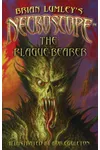
- Necroscope: The Plague-Bearer (2010) – A novel-length expansion detailing a bioweapon threat.
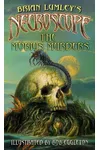
- Necroscope: The Mobius Murders (2013) – A mystery-driven novella featuring Harry Keogh.
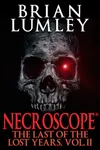
- Necroscope: The Last of the Lost Years (Vol. 1 in 2020, Vol. 2 in 2020) – Anthologies collecting the shorter novellas and stories set during Harry's lost era.
Publication Order vs. Chronological Order Caveats
For returning fans planning a re-read, the in-universe chronological order offers a different perspective on Harry Keogh's life. In the chronological timeline, The Lost Years duology and several novellas (like Harry and the Pirates and The Plague-Bearer) take place directly between Necroscope II: Wamphyri! and Necroscope III: The Source.
However, first-time readers should strictly avoid this chronological path. The Lost Years books discuss deep-lore concepts about the Wamphyri home world, Starside, and the nature of the gates that were not intended to be revealed until the Vampire World Trilogy. Reading them early ruins the mystery and build-up of the first five books.
Titus Crow: Occult Detective of the Cthulhu Mythos
Before Necroscope, Lumley made his mark writing stories set in H.P. Lovecraft’s Cthulhu Mythos. His Titus Crow series is highly unique: unlike traditional Lovecraftian protagonists who succumb to madness, Titus Crow and his companion Henri-Laurent de Marigny use advanced technology, magic, and cosmic travel to wage war against the Great Old Ones.
Read the Titus Crow novels in the following order:
- The Burrowers Beneath (1974)
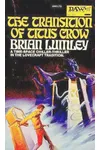
- The Transition of Titus Crow (1975)
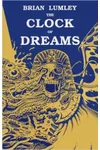
- The Clock of Dreams (1978)
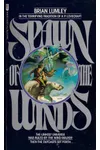
- Spawn of the Winds (1978)
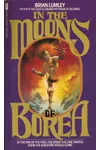
- In the Moons of Borea (1979)
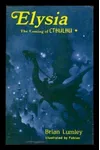
- Elysia (1989)
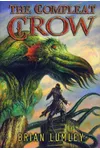
Additionally, The Compleat Crow (1986) compiles the short stories featuring Titus Crow's early occult investigations and acts as an excellent companion volume to read alongside the novels.
Other Major Series to Explore
If you enjoy Lumley's style, he has several other series and trilogies that cross over into different genres:
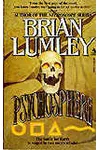
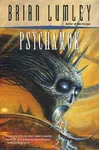
The Psychomech Trilogy
This trilogy is a precursor to the psychic espionage elements found in Necroscope, focusing on ESP, astral projection, and corporate/military psychic warfare.
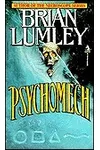
- Psychomech (1984)
- Psychosphere (1984)
- Psychamok (1985)
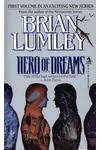
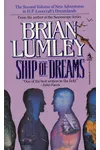
The Dreamlands Series
Deeply inspired by H.P. Lovecraft's fantasy writings, this series follows David Hero and Eldin the Wanderer through the bizarre, dream-like landscapes of the Dreamworld.
- Hero of Dreams (1986)
- Ship of Dreams (1986)
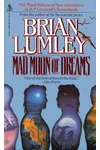
- Mad Moon of Dreams (1987)
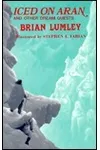
- Iced on Aran and Other Dream Quests (1990) – Companion short story collection.
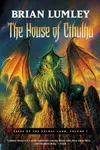
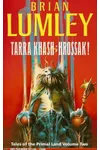
Tales of the Primal Land
Set in a prehistoric, Conan-esque fantasy era, this series tells stories of sorcery and battles against early Cthulhu Mythos monsters.
- The House of Cthulhu (1984)
- Tarra Khash (1991)
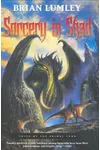
- Sorcery in Shad (1991)
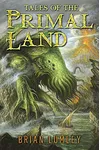
- Tales of the Primal Land (2015) – Combined definitive collection.
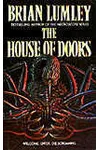
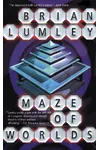
The House of Doors Duology
A science fiction horror series about a mysterious alien structure that acts as a portal to countless deadly worlds.
- The House of Doors (1990)
- Maze of Worlds (1998)