
How to Start: The Perfect Caleb Azumah Nelson Reading Order
Because Caleb Azumah Nelson's work consists of standalone novels and individual short stories rather than a single continuous saga, you don't have to worry about complex timelines or strict chronological pathways. However, to truly appreciate the evolution of his style and the thematic threads that connect his characters, there is a clear best way to dive in.
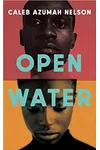
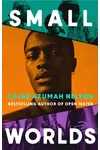
We highly recommend starting with Open Water (2021). As his debut novel, it establishes his distinct voice—lyrical, rhythmic, and told in a rare, intimate second-person perspective. It is the perfect introduction to how he blends prose with references to music, photography, and film. Once you have experienced the intensity of his debut, you can move on to Small Worlds (2023), which expands these themes into a broader canvas of family, migration, and the jazz clubs of London and Accra. Following the novels, his short stories offer excellent companion pieces that showcase his versatility in shorter forms.
Caleb Azumah Nelson's Books in Publication Order
If you prefer to follow his career as it developed, reading in publication order is straightforward. Here is the chronological release order of his primary works, including both his novels and the anthologies featuring his short stories:
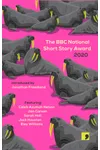
- "Pray" (Short Story) – Published in The BBC National Short Story Award 2020 anthology (2020)
- Open Water (Novel) – Published in February 2021
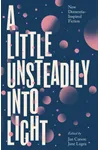
- "My Way Home" (Short Story) – Published in the anthology A Little Unsteadily into Light: New Dementia-Inspired Fiction (2022)
- Small Worlds (Novel) – Published in May 2023
- "Some Kind of Rapture" (Short Story) – Published in Esquire (May 2023)
Deep Dive: The Standalone Novels
Open Water (2021)
Set in South East London, Nelson’s debut is an incredibly intimate story of two young Black British artists—a photographer and a dancer—who fall deeply in love while navigating the subtle, exhausting weight of racism and systemic pressure. Written in the second person ("you"), the novel pulls the reader directly into the protagonist's mind, creating a sense of shared vulnerability and immediacy.
What makes Open Water so memorable is how it feels less like a traditional narrative and more like a musical album or a series of snapshots. Nelson heavily references music—from hip-hop and neo-soul to jazz—and visual art, showing how creativity offers both a sanctuary and a language for emotions that are otherwise impossible to voice. The book was a critical sensation, winning the Costa First Novel Award and the British Book Award for Debut Fiction, and establishing Nelson as a vital new voice in contemporary British literature.
Small Worlds (2023)
His sophomore novel, Small Worlds, moves from the intense focus of a romance to a wider, multi-generational exploration of family, community, and migration. The story follows Stephen, a young music enthusiast and aspiring jazz musician, over the course of three summers. The narrative tracks his experiences in South East London and a pivotal journey to Ghana, where he connects with his family's heritage and attempts to bridge the emotional distance between himself and his father.
Unlike Open Water, Small Worlds is told in the first person, giving the prose a warmer, more expansive tone. The book is structured around the rhythms of jazz, using repetition and syncopation in the sentence structure to mirror the live music Stephen plays and loves. It explores the "small worlds" we build for ourselves to find safety, the pain of leaving those worlds behind, and the courage it takes to return. The novel won the Dylan Thomas Prize in 2024, confirming Nelson's status as a master of atmospheric, emotionally resonant storytelling.
The Short Fiction: Anthologies and Standalone Stories
"Pray" (2020)
Published in the anthology for the 2020 BBC National Short Story Award, "Pray" is a powerful short story that serves as an essential companion to Nelson's novels. It focuses on a young boy in South East London, exploring themes of adolescent vulnerability, peer pressure, and the search for security within a community. Nelson later adapted this story into a short film of the same name, which he directed, marking his transition into filmmaking and visual storytelling.
"My Way Home" (2022)
This poignant short story was contributed to A Little Unsteadily into Light, an anthology designed to explore how contemporary fiction represents the minds of people living with dementia. Nelson draws from personal experiences of loss to deliver a deeply empathetic portrait of memory, aging, and familial bonds, showing how love persists even when memory fades.
"Some Kind of Rapture" (2023)
Published by Esquire in May 2023, this standalone short story is a masterclass in sensory storytelling. It touches on themes of fleeting intimacy, memory, and geographical displacement, following a narrative thread that moves between London and a trip to Accra during the harmattan season. It is an excellent quick read that captures the exact tone and atmosphere of his second novel.
What to Know Before You Start: Tone, Style, and Themes
To get the most out of Caleb Azumah Nelson’s books, it helps to understand the unique elements that define his writing style. If you are expecting fast-paced plot lines or high-stakes action, his work might surprise you. Instead, Nelson focuses on character studies, atmospheric settings, and emotional textures. Here are the core pillars of his literary universe:
- The Rhythm of Prose: Nelson writes with a highly musical quality. He has often mentioned that he structures his novels similarly to musical albums, using recurring phrases, rhythmic sentence structures, and direct references to artists like Kendrick Lamar, J Dilla, and Barry Jenkins. Reading his work is a sensory experience where the cadence of the words is just as important as the plot.
- The Geography of Identity: South East London—specifically areas like Bellingham and Peckham—acts as a living character in his books. Nelson captures the sights, sounds, and social dynamics of the city with absolute precision. However, this British setting is frequently contrasted and enriched by a deep connection to Ghana, exploring what it means to belong to two places at once.
- Black Joy and Vulnerability: While Nelson does not shy away from the harsh realities of racism, police profiling, and grief, his books are fundamentally celebration spaces for Black joy, intimacy, friendship, and the healing power of art. He seeks to portray Black characters with a level of tenderness and emotional vulnerability that is rarely captured so fully in contemporary fiction.