
The Labyrinth of Carlos Ruiz Zafón
Few authors have captured the atmospheric magic of a city quite like the late Carlos Ruiz Zafón. In his hands, Barcelona became more than just a setting; it was transformed into a living, breathing character wrapped in fog, rain, and gothic mystery. Before his untimely passing in 2020, Zafón created a rich literary legacy that bridges the gap between young adult mystery and high literary fiction. His novels are love letters to the power of the written word, featuring hidden doorways, cursed authors, and forgotten books.
For readers looking to dive into Zafón’s spellbinding universe, knowing where to start can be daunting. His signature series, the Cemetery of Forgotten Books, was designed as a literary labyrinth, but there are distinct advantages to choosing one path over another. Whether you want to experience the story as it was published, follow the timeline chronologically, or explore his early young adult classics, this guide will show you the way.
The Cemetery of Forgotten Books: The Masterpiece Cycle
Zafón's magnum opus is a four-novel cycle (with a few associated short stories) that centers around a secret library hidden in the heart of Barcelona's Old Quarter—the Cemetery of Forgotten Books. Zafón famously stated that the series is a labyrinth that can be entered from any point, meaning that each book acts as an independent entry door to the same narrative maze. However, while they are structurally independent, they weave a complex web where characters, histories, and secrets overlap. Reading them in a specific sequence heavily impacts how the overarching mysteries are revealed.
Path 1: The Publication Order (Highly Recommended)
This is the path preferred by most fans and critics. Reading the books in the order they were published allows you to experience the evolution of the mystery as Zafón constructed it, gradually expanding your understanding of the Sempere family and their tragic connections.
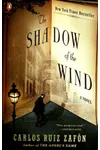
- The Shadow of the Wind (2001): The book that started it all. Set in 1945, it follows Daniel Sempere, the son of a bookshop owner, who is taken to the Cemetery of Forgotten Books and allowed to choose one volume. He chooses a novel by Julian Carax, only to find that someone is systematically destroying every copy of Carax’s work. Daniel is drawn into a dark, romantic mystery that mirrors the tragedy of the book itself.
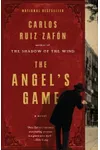
- The Angel's Game (2008): A darker, more gothic prequel set in the 1920s and 1930s. It follows David Martín, a struggling young writer who accepts a sinister commission from a mysterious publisher named Andreas Corelli. This novel introduces elements that reframe the events of The Shadow of the Wind.
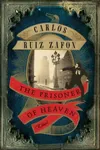
- The Prisoner of Heaven (2011): Set in 1957, this shorter novel acts as the bridge connecting the first two books. It reveals the dark history of the beloved character Fermín Romero de Torres during his imprisonment after the Spanish Civil War and explains how David Martín and Daniel Sempere's lives are linked.
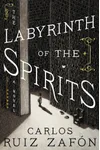
- The Labyrinth of the Spirits (2016): The epic, sprawling conclusion to the cycle. Set in the late 1950s and 1960s, it introduces a new protagonist, Alicia Gris, a brilliant investigator who is tasked with solving the disappearance of a prominent government minister. Her investigation uncovers the final, shocking secrets of the Sempere family and the Cemetery of Forgotten Books.
Path 2: The Chronological Order
If you want to read the timeline of the universe from the very beginning, you can arrange the books chronologically. Be warned: this path will alter the suspense, as certain character backstories and twists from the later-published novels will be revealed earlier than intended.
- Rose of Fire (2012): A short story set in the 15th century during the height of the Spanish Inquisition, detailing the origins and construction of the Cemetery of Forgotten Books.
- The Angel's Game (2008): Set in the 1920s and 1930s, chronicling David Martín's descent into madness and mystery.
- The Shadow of the Wind (2001): Set primarily in the mid-1940s to 1950s.
- The Prisoner of Heaven (2011): Set in 1957, with significant flashbacks to the late 1930s and early 1940s.
- The Labyrinth of the Spirits (2016): Set in the late 1950s and 1960s, tying the final threads together.
The Companion Collection: The City of Mist (2021)
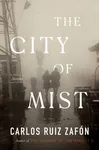
Published posthumously, The City of Mist is a collection of eleven short stories. Many of these stories expand upon the history of characters from the main cycle, featuring the bookselling Sempere family, David Martín, and the origins of the Cemetery itself. While some stories can be enjoyed independently, the collection is best read as a parting gift after finishing the main quartet, as it contains subtle references and thematic resolutions that assume familiarity with the novels.
The Mist Trilogy: Carlos Ruiz Zafón's YA Roots
Before his breakthrough with adult fiction, Zafón began his writing career with young adult gothic mysteries. Known in Spanish as La Trilogía de la Niebla, these three books are entirely independent of each other in terms of plot, characters, and settings. However, they share a distinct thematic DNA: eerie atmospheres, misty coastal towns, supernatural entities, and teenagers caught in life-or-death struggles against dark forces.
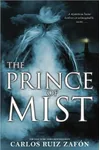
- The Prince of Mist (1993): Set in 1943, a family escapes the war by moving to a small coastal town. The young protagonist, Max, discovers that the house they bought has a dark history, involving an eccentric garden of statues and a sinister entity known as the Prince of Mist who grants wishes at a terrifying price.
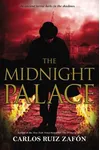
- The Midnight Palace (1994): Set in Calcutta in 1932, this story follows a secret society of orphans who must band together to confront a monstrous, fiery threat from their past on the eve of their sixteenth birthdays.
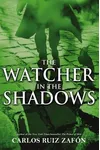
- The Watcher in the Shadows (1995): Set in 1937 on the coast of Normandy, a family moves into a massive estate owned by an eccentric toy maker. They soon discover that the house and the surrounding woods are haunted by a shadowy presence.
Reading Advice: Because the books are completely standalone, you can read them in any order you choose. If you prefer to watch Zafón develop his gothic style, reading them in their publication order is the most logical route.
The Standalone Jewel: Marina (1999)
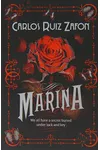
Published in Spanish in 1999 and translated into English in 2013, Marina is a unique bridge in Zafón’s career. Written just before he began work on The Shadow of the Wind, Zafón frequently cited Marina as his most personal work. It shares the young adult focus of his early novels but boasts the lush, gothic complexity of his later adult masterpieces.
Set in Barcelona in the late 1970s, it follows Óscar Drai, a boarding school student who sneaks out to explore the city's crumbling art deco mansions. He meets the mysterious Marina and her artist father, and together they are drawn into a horrific mystery involving a sinister post-war medical entrepreneur, clockwork monsters, and a bizarre butterfly motif. It is a haunting, melancholic tale that serves as a perfect transition piece between the Mist Trilogy and the Cemetery of Forgotten Books.
What to Know Before You Start: Practical Reader Tips
- The Labyrinth Style: Zafón’s novels are highly interconnected. If you read them out of order, you will still understand the individual plots, but you will miss the brilliant narrative echoes that make the series so satisfying. Stick to the publication order for the main cycle.
- Lucia Graves’ Translations: For English readers, Zafón’s lyrical and poetic prose is beautifully rendered by Lucia Graves, the daughter of poet Robert Graves. Her translations perfectly capture the gothic cadence and romantic weight of the original Spanish texts.
- Gothic Themes: Be prepared for dark themes. Zafón’s works feature heavy elements of gothic horror, tragic love, post-war trauma, and the psychological scars left by the Spanish Civil War.