













Where to Start with Dan Cragg
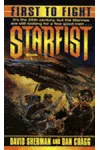
If you are new to Dan Cragg's hard-hitting brand of military science fiction, the absolute best place to start is with First to Fight (1997), the opening novel of the Starfist series. Co-authored with fellow veteran David Sherman, this book introduces the 34th Fleet Initial Strike Team (FIST) of the Confederation Marine Corps. Reading this book first establishes the ground-level perspective, slang, and tactical realism that define the entire franchise. Because Cragg spent 22 years in the U.S. Army (including two tours in Vietnam) and Sherman was a U.S. Marine, their combined real-world expertise makes this series exceptionally authentic.
The Starfist Series Reading Order
The core of Dan Cragg's fiction legacy is the 14-volume Starfist series. The books follow a continuous narrative arc tracking the deployments, battles, and losses of the 34th FIST. It is highly recommended to read this main sequence in publication order, as the characters age, transfer, and develop throughout the series. The recommended order is:
- First to Fight (1997)
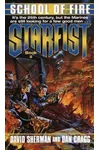
- School of Fire (1998)
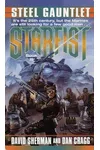
- Steel Gauntlet (1998)
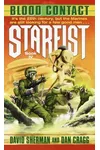
- Blood Contact (1999)
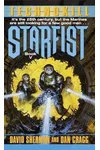
- Technokill (2000)
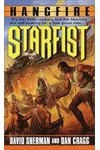
- Hangfire (2001)
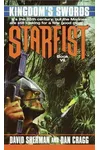
- Kingdom's Swords (2002)
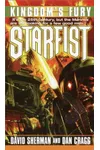
- Kingdom's Fury (2003)
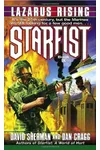
- Lazarus Rising (2003)
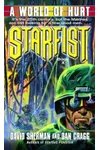
- A World of Hurt (2004)
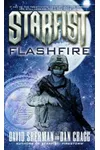
- Flashfire (2006)
- Firestorm (2007)
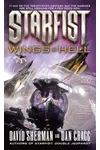
- Wings of Hell (2008)
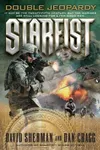
- Double Jeopardy (2009)
Integrating the Starfist: Force Recon Spin-Off
In addition to the main line, Cragg and Sherman penned a three-book spin-off series, Starfist: Force Recon. Rather than following standard infantry deployments, these books highlight covert intelligence gathering and special operations. While the spin-off takes place concurrently with the events of the later main novels, it features a distinct cast of characters. You have two main options for reading them:
Option 1: The Main Series First (Recommended)
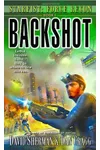
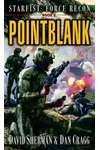
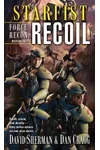
Read the entire 14-book main series first, then read the three Force Recon books (Backshot, Pointblank, and Recoil). This is the cleanest approach, as it prevents you from juggling different casts of characters and shifting operational dynamics.
Option 2: The Combined Chronological/Publication Order
If you prefer to experience the universe exactly as it unfolded in print, you can weave the spin-offs into the main series using this chronological release sequence:
- First to Fight (1997)
- School of Fire (1998)
- Steel Gauntlet (1998)
- Blood Contact (1999)
- Technokill (2000)
- Hangfire (2001)
- Kingdom's Swords (2002)
- Kingdom's Fury (2003)
- Lazarus Rising (2003)
- A World of Hurt (2004)
- Backshot (Force Recon #1, 2005)
- Flashfire (2006)
- Pointblank (Force Recon #2, 2006)
- Firestorm (2007)
- Recoil (Force Recon #3, 2008)
- Wings of Hell (2008)
- Double Jeopardy (2009)
Dan Cragg's Star Wars Contributions
Outside of the Starfist universe, Dan Cragg and David Sherman lent their military expertise to the Star Wars Legends expanded universe. It is important to note that while database lists contain many Clone Wars or Legends novels (such as Shatterpoint or The Cestus Deception), Cragg only co-authored a single novel in this franchise: Jedi Trial (2004).
Set approximately two and a half years after the Battle of Geonosis, Jedi Trial details a critical campaign on the communications hub planet of Praesitlyn. It serves as a key character study for Anakin Skywalker on his path to becoming a Jedi Knight. If you are reading the Star Wars Clone Wars multimedia project or chronological Legends timeline, Jedi Trial fits directly after the events of Secrets of the Jedi and before Shatterpoint.
Standalone Novels and Historical Non-Fiction
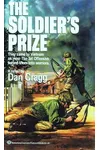
For readers interested in the real-world experiences that shaped Cragg's science fiction, his non-fiction and standalone work is highly rewarding. His solo novel, The Soldier's Prize (1986), draws heavily on the atmosphere of the Vietnam War. Additionally, he has written several historical and analytical works detailing infantry life and military strategy:
- Guide to Military Installations (1983)
- Inside the VC and the NVA: The Real Story of North Vietnam's Armed Forces (1992) – Co-authored with Michael Lee Lanning, offering a detailed look at the opposition forces in the Vietnam War.
- Top Sergeant: The Life and Times of Sergeant Major of the Army William G. Bainbridge (1995) – A biographical look at military service.
- Sappers in the Wire: The Life and Death of Firebase Mary Ann (1995) – A vivid, historical account of a tragic Vietnam War battle.
- Generals in Muddy Boots: A Portfolio of Military Leaders (1996)
What to Know Before You Start
Dan Cragg’s work stands out because it lacks the sanitized, glossy veneer of typical space opera. Because both he and Sherman were combat veterans, the combat is gritty, logistically detailed, and focused on the day-to-day lives of the infantry soldiers (the "grunts"). The tone is direct, frequently humorous in a dark, military fashion, and emphasizes brotherhood and duty above all else. While some modern readers note that the original series features a lack of gender diversity in the frontline ranks—reflecting historical infantry structures of the era in which the authors served—the tactical depth and relentless pacing remain highly celebrated milestones of military science fiction.