

Legends vs. Canon: The Great Continuity Divide
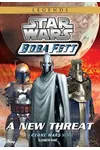
Before you pick up your first Star Wars book, it is essential to understand that the Star Wars literary universe is divided into two distinct continuities. In April 2014, following Disney's acquisition of Lucasfilm, the existing Expanded Universe (EU) was rebranded as Legends and declared non-canonical to future movies. Books published after this date are part of the official Disney Canon, fitting directly into the timeline alongside the movies and TV shows. Legends books are easily identified in print by a gold banner on the cover.
Where to Start Reading Star Wars Books
With hundreds of novels spanning thousands of years, starting can feel overwhelming. Reading in strict chronological order is generally not recommended for beginners due to differences in tone, writing style, and spoilery reveals. Instead, starting with curated entry points is the best strategy:
- The Legends Starting Point: The Thrawn Trilogy by Timothy Zahn. Starting with Heir to the Empire (1991), this trilogy acts as the spiritual Episodes VII, VIII, and IX of the classic era, introducing iconic characters like Grand Admiral Thrawn and Mara Jade.
- The Canon Starting Point: Lost Stars by Claudia Gray (2015). A beautifully written young adult novel that runs parallel to the original trilogy through the eyes of two star-crossed childhood friends on opposing sides of the Galactic Civil War.
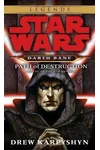
- The Sith Origin Starting Point: Darth Bane: Path of Destruction by Drew Karpyshyn (2006). Perfect for readers who want to explore the dark side and learn how the Sith Rule of Two was created.
Star Wars Subseries and Reading Sequences
Below is the guide to reading major Star Wars book series, groupings, and standalone novels based on the extensive publishing history.
The Era of the Old Republic and the Sith
Set thousands of years before the films, these books explore the ancient conflict between the Jedi and Sith.
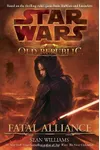
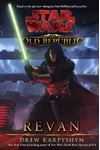
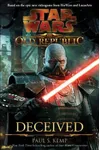
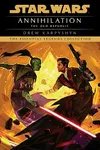
- The Old Republic Series: Closely tied to the popular multiplayer game, this series includes Revan (2011), Deceived (2011), Fatal Alliance (2010), and Annihilation (2012). Readers can follow either publication order or chronological order (starting with Revan).
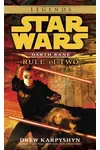
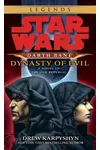
- Darth Bane Trilogy: Consisting of Path of Destruction (2006), Rule of Two (2007), and Dynasty of Evil (2009), this series details the creation of the Rule of Two.
The Prequel Era and the Clone Wars
This era focuses on the fall of the Republic and the rise of the Galactic Empire.
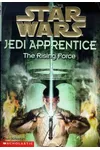
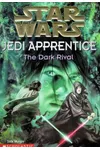
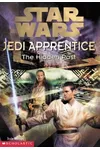
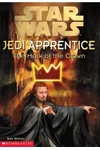
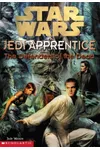
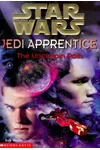
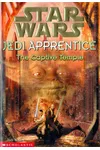
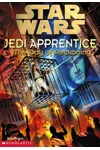
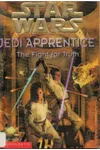
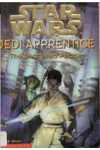
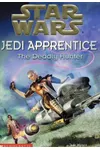
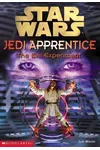
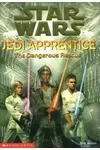
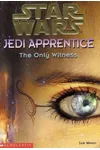
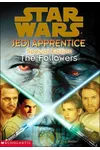
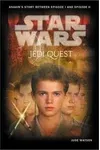
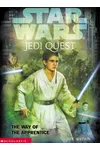
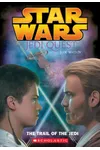
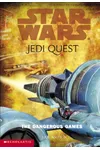
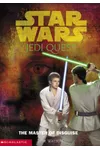
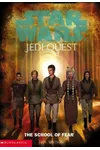
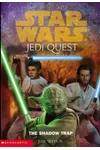
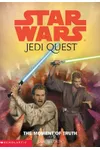
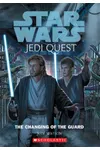
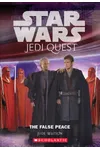
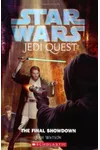
- Jedi Apprentice and Jedi Quest Series: These young adult series follow Obi-Wan Kenobi as an apprentice (starting with The Rising Force in 1999) and later Anakin Skywalker (starting with Path to Truth in 2001).
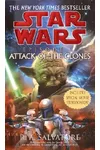
- The Clone Wars Novels: Multiple series cover the galactic conflict, including the tie-in novels like The Clone Wars, Wild Space, No Prisoners, the Gambit duology (Stealth and Siege), and standalone novels like Matt Stover's Shatterpoint and Karen Traviss's Republic Commando series (starting with Hard Contact).
The Rise of the Empire and Classic Era
Focusing on the dark times under Imperial rule and the Galactic Civil War.
- Han Solo and Lando Calrissian Adventures: Classic adventures from the late 1970s and 1980s, including Han Solo at Stars' End (1979) and Brian Daley's trilogy, as well as A.C. Crispin's Han Solo Trilogy (starting with The Paradise Snare in 1997) exploring Han's origins.
- The Last of the Jedi: A series following Jedi survivor Ferus Olin after Order 66, beginning with The Desperate Mission (2005).
- Coruscant Nights: A noir-style detective series featuring Jedi Jax Pavan in the underbelly of Coruscant, starting with Jedi Twilight (2008).
The New Republic and Post-Return of the Jedi Era
The golden era of Legends EU, chronicling the rebuilding of the galaxy and the New Jedi Order.
- The X-Wing Series: Michael A. Stackpole and Aaron Allston's military sci-fi series focused on the pilots of Rogue Squadron, starting with Rogue Squadron (1996).
- The Jedi Academy Trilogy: Kevin J. Anderson's trilogy featuring Luke Skywalker establishing his new academy on Yavin 4, starting with Jedi Search (1994).
- The Corellian Trilogy: Beginning with Ambush at Corellia (1995), dealing with political uprisings.
- The Hand of Thrawn Duology: Timothy Zahn's follow-up that brings a formal end to the Galactic Civil War, starting with Specter of the Past (1997).
- Young Jedi Knights and Junior Jedi Knights: Following the next generation of Jedi, including Han and Leia's children Jaina, Jacen, and Anakin Solo.
- The New Jedi Order (NJO): A massive 19-book saga detailing the invasion of the extragalactic Yuuzhan Vong, starting with Vector Prime (1999).
- The Dark Nest (Dark Night) Trilogy: Set after NJO, following the Jedi's conflict with a mysterious insectoid threat, starting with The Joiner King (2005).
- Legacy of the Force: A 9-book series focusing on the tragic fall of a major character to the dark side, starting with Betrayal (2006).
- Fate of the Jedi: A 9-book series exploring Luke Skywalker's exile and ancient Sith threats, starting with Outcast (2009).
Chronological vs. Publication Order
For individual trilogies and subseries, reading in publication order is highly recommended to preserve plot twists and references. However, mapping out the overarching timeline chronologically helps readers appreciate the grand historical sweep of the galaxy. Standalone novels like Darth Plagueis (2012) and Splinter of the Mind's Eye (1978) can be slotted in chronologically to fill in key gaps between major historical eras.