





Where to Start Your Journey
For readers new to David Gemmell's fast-paced, emotionally charged heroic fantasy, selecting a starting point can seem daunting due to the sheer size of his interconnected universes. Fortunately, Gemmell designed almost all of his books to be satisfying as standalone reads. However, two entry points are highly recommended by long-time fans:
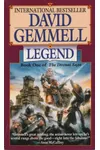
- Legend (1984): David Gemmell's debut novel and his most famous work. It introduces the battle-hardened warrior Druss defending the fortress of Dros Delnoch. Starting here allows you to experience the exact book that launched the Drenai Saga and defined Gemmell's career.
- Sword in the Storm (1998): The first book of the Rigante series. This Celtic-inspired quartet features a tighter, more continuous chronological structure than the Drenai Saga and serves as a fantastic introduction to Gemmell's mature writing style.
The Drenai Saga
The Drenai Saga is David Gemmell's signature work, spanning eleven novels. Because the books were not written in chronological order, readers generally choose between two primary approaches: Publication Order or Chronological Order.
Option 1: Publication Order (Recommended)
Reading in order of publication is the most popular choice. It allows you to watch Gemmell's world-building and character development evolve naturally over time, and preserves the impact of subtle callbacks and historical references. The publication sequence is:
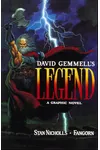
- Legend / Against the Horde (1984)
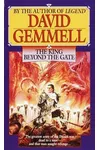
- The King Beyond the Gate (1985)
- Waylander (1986)
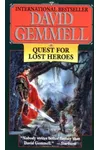
- Quest for Lost Heroes (1990)
- In the Realm of the Wolf (1992)
- The First Chronicles of Druss the Legend (1993)
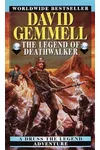
- The Legend of Deathwalker (1996)
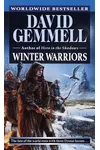
- Winter Warriors (1997)
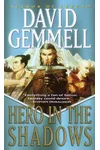
- Hero in the Shadows (2000)
- White Wolf (2003)
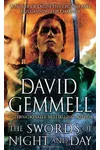
- The Swords of Night and Day (2004)
Option 2: Chronological Order
For readers who want to experience the history of the Drenai world from its earliest era to its final days, the chronological layout is as follows. Note that this order starts with the tragic backstory of the assassin Waylander and places Gemmell's debut, Legend, right in the middle of the saga:
- Waylander (1986)
- In the Realm of the Wolf (1992)
- Hero in the Shadows (2000)
- The First Chronicles of Druss the Legend (1993)
- The Legend of Deathwalker (1996)
- White Wolf (2003)
- Legend / Against the Horde (1984)
- The King Beyond the Gate (1985)
- Quest for Lost Heroes (1990)
- Winter Warriors (1997)
- The Swords of Night and Day (2004)
The Sipstrassi Cycle (Stones of Power)
The Sipstrassi series consists of seven novels linked by the presence of mysterious, magical stones of power. While they share a universe, they span completely different time periods and settings. The cycle is best read in three distinct thematic chunks:
The Jon Shannow (Jerusalem Man) Trilogy
Set in a gritty, post-apocalyptic world that feels like a dark Western fantasy, this trilogy follows the gunslinger Jon Shannow on his search for Jerusalem:
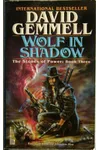
- Wolf in Shadow / The Jerusalem Man (1987)
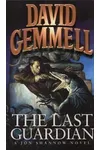
- The Last Guardian (1989)
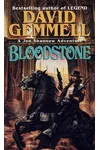
- Bloodstone (1994)
The Arthurian Stones of Power Duology
This subseries offers a unique, dark reimagining of the King Arthur mythos:
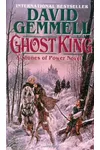
- Ghost King (1988)
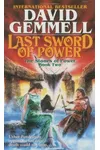
- Last Sword of Power (1988)
The Macedonian Sequence
Blending historical fiction with high fantasy, this duology explores the life of Parmenion, the general of Alexander the Great:
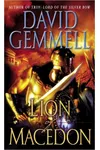
- Lion of Macedon (1991)
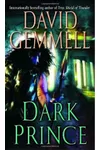
- Dark Prince (1991)
The Rigante Series
Unlike the Drenai Saga, the Rigante books form a cohesive, multi-generational epic that should be read strictly in order of publication. The first two books follow the Rigante clan's struggle against an empire resembling ancient Rome, while the final two jump forward in time to a period mirroring the English Civil War and Scottish Covenanters:
- Sword in the Storm (1998)
- Midnight Falcon (1999)
- Ravenheart (2001)
- Stormrider (2002)
The Troy Trilogy
Gemmell's final project was a sweeping historical fantasy retelling of the Trojan War. This trilogy must be read in order. Following Gemmell's passing in 2006, his wife Stella completed the final book using his extensive notes:
- Lord of the Silver Bow (2005)
- Shield of Thunder (2006)
- Fall of Kings (2007)
Other Works and Standalones
Gemmell also wrote several standalone books and a duology that can be read at any point in your reading journey:
The Hawk Queen Duology
A fantasy rebellion duology set in a separate world, though it contains brief thematic nods to the wider Gemmell multiverse:
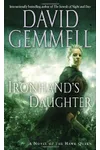
- Ironhand's Daughter (1995)
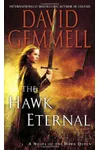
- The Hawk Eternal (1995)
Standalone Novels
- Knights of Dark Renown (1989)
- Morningstar (1992)
- White Knight, Black Swan (1993) - A contemporary crime thriller published under the pseudonym Ross Harding.
- Dark Moon (1996)
- Echoes of the Great Song (1997)
- Rhyming Rings (2017) - A posthumously published crime thriller written in the mid-1980s.
What to Know Before You Start
Gemmell’s writing is famous for stripping away traditional fantasy tropes; you won't find Tolkienesque elves or complex wizarding hierarchies here. Instead, his focus is on the psychology of flawed human beings facing impossible odds. The books deal heavily with themes of aging, redemption, loyalty, and the grim reality of violence. Because characters frequently cross over between books (such as the legendary Druss and the assassin Waylander meeting the warrior Skilgannon in various ways), reading the Drenai Saga in publication order is highly recommended for keeping track of these character milestones.