
Where to Start Reading David Morrell
David Morrell is a literary chameleon who practically co-invented the modern action thriller. Because his work spans military survival, high-stakes espionage, horror, and historical mystery, the best place to start depends entirely on your preferred flavor of suspense:
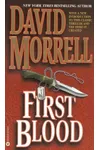
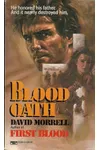
- For raw, psychological action: Start with his debut masterpiece, First Blood (1972). It is the novel that introduced John Rambo to the world, but it is a far more complex, tragic, and intense character study than the blockbuster movies suggest.
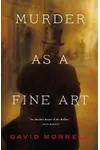
- For atmospheric historical mystery: Start with Murder as a Fine Art (2013). This meticulously researched Victorian thriller features the real-life historical figure Thomas De Quincey as an amateur sleuth solving gruesome crimes in 1850s London.
The Rambo / First Blood Series
The history of the Rambo books is one of the most unusual in modern publishing. While the original novel was written as a self-contained, tragic thriller, the success of the film adaptations led to unique companion books. To read the full arc of John Rambo as penned by his creator, use this order:
- First Blood (1972)
- Rambo: First Blood Part II (1985)
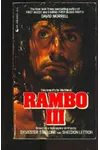
- Rambo III (1988)
What to watch out for: In the original 1972 novel, Rambo's story ends definitively. When the films became global sensations, Morrell was hired to write novelizations for the sequels. Instead of churning out quick film tie-ins, Morrell treated them as genuine novels, using the screenplays to expand Rambo's backstory, explore his deep psychological trauma, and reconcile the continuity changes made by the filmmakers.
The Mortalis / Brotherhood of the Rose Series
In the 1980s, Morrell redefined the espionage subgenre with his Mortalis trilogy (often referred to as the Abelard and Saul series). This thriller series follows foster brothers Saul and Drew, who are raised in a shadowy orphanage to become elite government assassins. This series must be read in publication order to appreciate the mounting scale of the conspiracy:
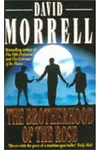
- The Brotherhood of the Rose (1983)
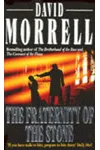
- The Fraternity of the Stone (1985)
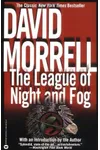
- The League of Night and Fog (1987)
The Thomas De Quincey Victorian Mysteries
Later in his career, Morrell turned his meticulous research skills toward Victorian London, creating a highly acclaimed historical mystery series. The books follow Thomas De Quincey, his fiercely independent daughter Emily, and two Scotland Yard detectives. Read this series in chronological order to follow the character dynamics:
- Murder as a Fine Art (2013)
- The Opium-Eater (2015) — A bridge novella that explains De Quincey's tragic past and his descent into addiction.
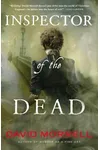
- Inspector of the Dead (2015)
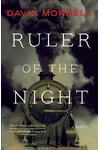
- Ruler of the Night (2016)
The Cavanaugh / Protector Series
Focusing on the shadowy world of executive security, this series stars Cavanaugh, a former Delta Force operator who runs Global Protective Services. Unlike typical bodyguards, Cavanaugh uses advanced threat assessment, evasion, and planning to keep his clients alive. Read them in this order:
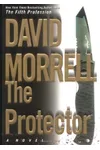
- The Protector (2003)
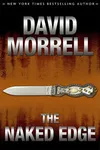
- The Naked Edge (2010)
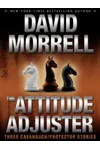
- The Attitude Adjuster (2012) — A collection of three short stories expanding Cavanaugh's cases.
The Frank Balenger Series
If you enjoy urban exploration and high-concept suspense, this duology follows investigative reporter Frank Balenger as he is pulled into dangerous survival games in abandoned structures:
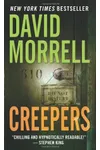
- Creepers (2005)
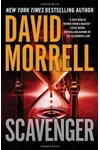
- Scavenger (2007)
Essential Standalone Thrillers
Morrell has written a massive list of standalone novels that showcase his versatility. If you want a break from his recurring characters, look out for these notable standalones:
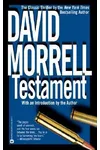
- Testament (1975) — A harrowing survival thriller about a family hunted by a ruthless militia.
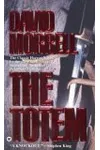
- The Totem (1979) — A dark mystery that blends police procedural elements with a terrifying, rabies-like outbreak in a small town.
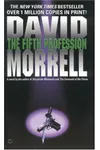
- The Fifth Profession (1990) — A high-octane story exploring the deep psychological bonds and tactical execution of elite executive protection agents.
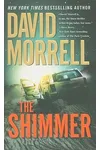
- The Shimmer (2009) — A sci-fi inflected mystery inspired by the real-life mystery of the Marfa light phenomena.
What to Know Before You Start
Before diving into Morrell's bibliography, keep in mind his dedication to hands-on research. To make his thrillers as authentic as possible, Morrell has personally trained in wilderness survival, defensive driving, firearms, security protection, and street fighting. This realism translates into highly detailed, physical action sequences. Additionally, his early works from the 1970s and 1980s carry a much darker, gritty tone compared to his more atmospheric, character-driven Victorian mysteries.