











How to Navigate David Wellington's Thrilling Worlds
David Wellington is a master of subverting classic monster tropes. Instead of romanticized creatures of the night, his vampires are vicious, animalistic predators, and his zombies are relentless, terrifying, and sometimes unexpectedly intelligent. He has also successfully branched out into high-stakes military thrillers, epic fantasy, and intense cosmic science fiction. Because he writes across multiple genres—sometimes using pen names like David Chandler or D. Nolan Clark—knowing where to start can feel daunting. Below, we break down his primary series, discuss publication versus chronological orders, and guide you to the best entry points.
The Best Starting Points
Where you should begin depends entirely on which flavor of horror or thriller you prefer:
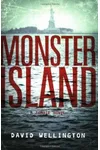
- For Zombie Apocalypse Fans: Start with Monster Island. This is the book that launched Wellington's career, originally serialized online before becoming a print sensation. It is fast-paced, gritty, and introduces a unique twist on the undead.
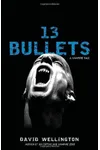
- For Vampire Thriller Devotees: Start with 13 Bullets. It introduces Deputy Laura Caxton and features some of the most genuinely terrifying, non-sparkly vampires in modern literature.
- For Sci-Fi and Cosmic Horror Buffs: Start with Paradise-1 (or his standalone novel The Last Astronaut). These works showcase his ability to merge deep-space exploration with claustrophobic, psychological terror.
1. The Monster Trilogy (Zombie Series)
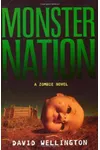
Wellington's zombie trilogy is a landmark in modern undead fiction. Unlike typical zombie stories that focus solely on survival, this series dives into the mechanics of the outbreak and features sentient, magic-using zombies. While it is a trilogy, there is a minor chronological twist: the second book, Monster Nation, is a prequel that details the origins of the epidemic before the events of the first book.
Publication Order (Recommended)
We recommend reading in publication order. Starting with Monster Island establishes the rules of the post-apocalyptic world and sets up the central mystery of how the infection functions. Reading the prequel second gives you satisfying backstory context before the final showdown.
- Monster Island (2004)
- Monster Nation (2004)
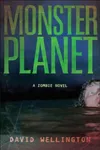
- Monster Planet (2006)
Chronological Order
If you prefer to see the outbreak unfold in strict linear time, you can opt for this path. However, be aware that some of the suspense in Monster Island is built around not knowing the origin details revealed in Monster Nation.
- Monster Nation (2004)
- Monster Island (2004)
- Monster Planet (2006)
2. The Laura Caxton Vampire Series
In this five-book series, vampires are not romantic antiheroes; they are undead parasites that are bald, clawed, and completely devoid of human empathy. The series follows federal marshal Laura Caxton as she is dragged into a relentless, decades-long war against the world's oldest and most cunning vampire. The series must be read in strict order, as it tells one continuous, linear story.
- 13 Bullets (2007)
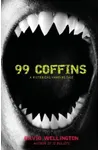
- 99 Coffins (2007)
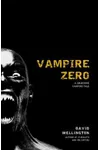
- Vampire Zero (2008)
- 23 Hours (2009)
- 32 Fangs (2012)
3. The Cheyenne Clark Werewolf Duology
Set in the freezing wilderness of the Arctic, this duology centers on Cheyenne Clark, a woman who goes searching for the beast that attacked her family, only to find herself infected. It is a brutal, action-packed survival horror story that pairs perfectly with the Laura Caxton series in tone, though they do not cross over. Read these in order.
- Frostbite (2009)
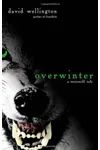
- Overwinter (2010)
4. The Red Space Trilogy (Sci-Fi Cosmic Horror)
Wellington's latest major venture is the Red Space trilogy, a series of space-operatic cosmic horror novels. It follows Special Agent Alexandra Petrova as she investigates a silent colony ship, only to discover a terrifying, ancient presence. It is a highly serialized story that should be read in order.
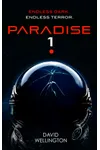
- Paradise-1 (2023)
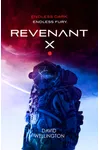
- Revenant-X (2024)
- Erebus-13 (2026)
5. The Jim Chapel Missions (Action Thrillers)
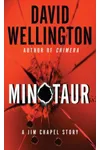
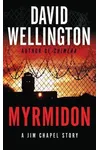
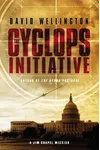
Branching out into high-tech military thrillers, the Jim Chapel books follow a wounded special forces veteran who is recalled to active duty to track down escaped genetically modified supersoldiers. The first three entries (Chimera, Minotaur, and Myrmidon) were originally released as digital-first novellas that serve as a prelude to the full-length novels.
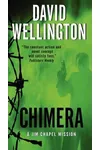
- Chimera (2013)
- Minotaur (2013)
- Myrmidon (2013)
- The Hydra Protocol (2014)
- The Cyclops Initiative (2016)
6. Fantasy Trilogy: Ancient Blades (Written as David Chandler)
Under the pen name David Chandler, Wellington wrote a swashbuckling, dark fantasy trilogy centered on a young thief named Malden who gets caught up in a web of magic, political intrigue, and ancient relics. Read these in order:
- Den of Thieves (2011)
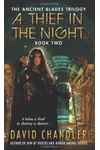
- A Thief in the Night (2011)
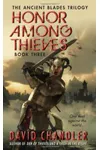
- Honor Among Thieves (2011)
7. Sci-Fi Trilogy: The Silence (Written as D. Nolan Clark)
Writing as D. Nolan Clark, Wellington created a massive military space opera trilogy about a group of pilot recruits defending the remnants of humanity from an overwhelming alien armada. Follow this order:
- Forsaken Skies (2016)
- Forgotten Worlds (2017)
- Forbidden Suns (2017)
Standalone Novels & Short Fiction
If you want a self-contained story without committing to a series, Wellington has written several notable standalones:
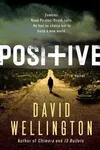
- Positive (2015): A post-apocalyptic epic set twenty years after a zombie outbreak, following a young survivor's journey across a devastated America. Highly recommended for fans of The Passage or The Walking Dead.
- The Last Astronaut (2019): A tense sci-fi thriller about humanity's first contact with an alien object in space. This novel was nominated for the prestigious Arthur C. Clarke Award in 2020.
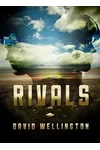
- Pass/Fail (2012), Plague Zone (2012), and Rivals (2012): Shorter, standalone thriller releases.
- Weaponized (2011): A standalone novella.